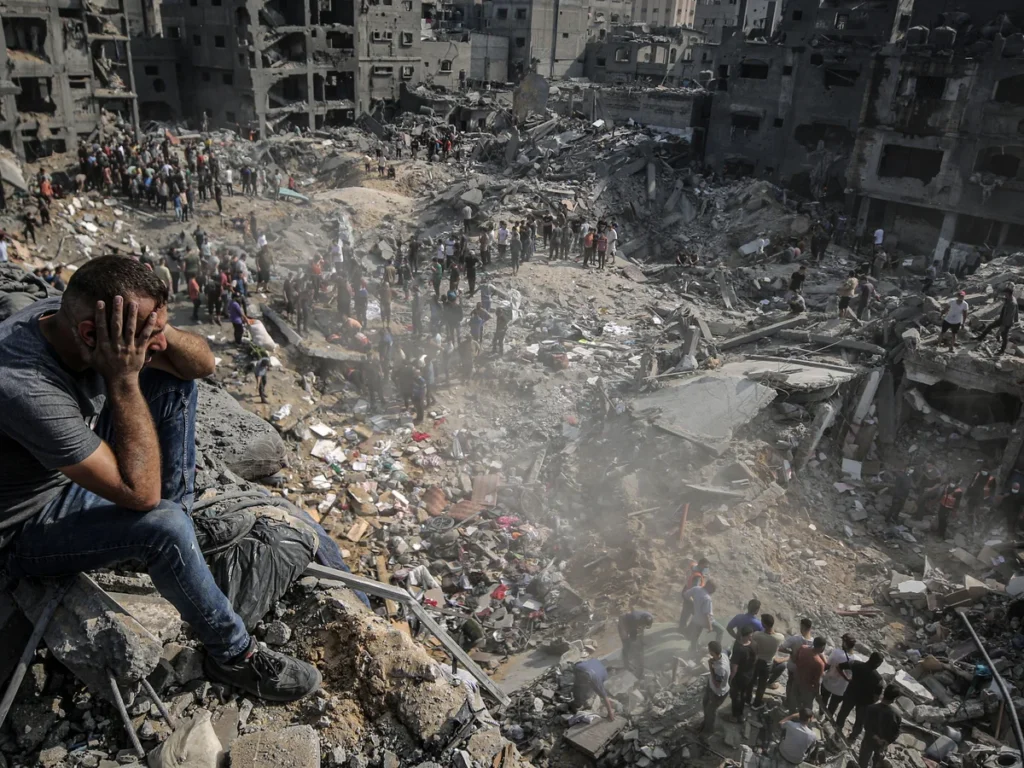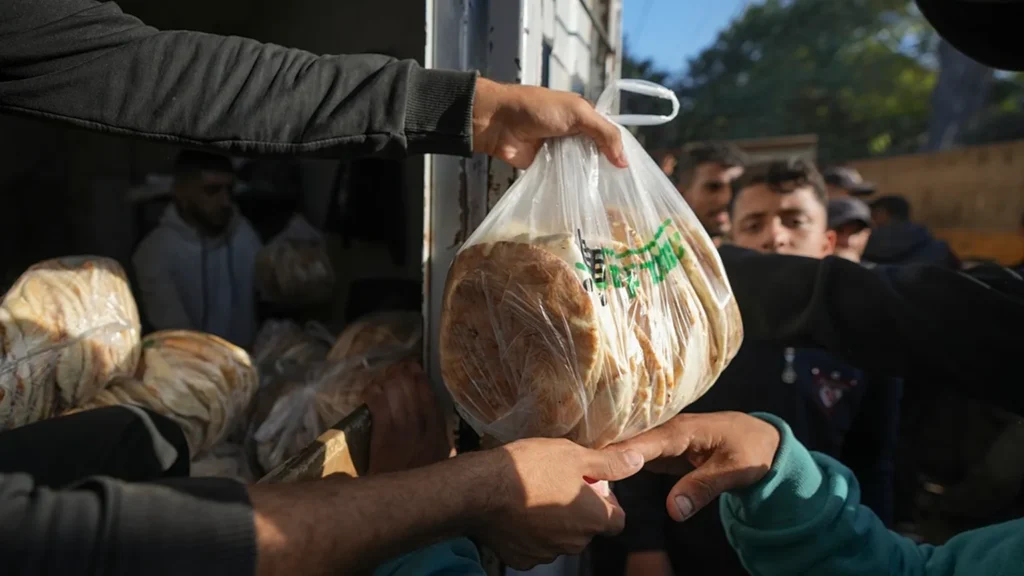
Gaza Herald – Long queues for bread are once again becoming a daily reality across Gaza, as worsening shortages of flour and fuel push bakeries toward collapse amid ongoing Israeli restrictions on imports into the besieged enclave.
Across Gaza City, Khan Younis, and central areas of the Strip, thousands of displaced Palestinians now spend hours waiting outside the few bakeries still operating, hoping to secure bread for their families before supplies run out.
Flour Supplies Far Below Gaza’s Needs
According to Gaza officials, the territory requires approximately 450 tonnes of flour daily to meet basic humanitarian needs, while only around 200 tonnes are currently entering the enclave.
The shortages intensified after Israel imposed tighter restrictions on crossings into Gaza during its war against Iran in late February. Although crossings later partially reopened, humanitarian aid and commercial imports have remained significantly below levels outlined in the ceasefire agreement.
The restrictions have severely impacted bakeries supported by the World Food Programme (WFP), which previously supplied subsidized bread to hundreds of thousands of Palestinians across the Strip.
More than one-third of Gaza’s population relies directly on these bakeries, either through subsidized bread sales or free distributions at community kitchens. However, declining flour supplies have forced many bakeries to reduce production or halt operations entirely.
Rising Prices and Expanding Food Insecurity
As bread shortages deepen, prices in local markets have risen sharply, creating additional pressure on families already struggling under the weight of displacement, unemployment, and economic collapse caused by the ongoing genocide.
Aid organizations warn that the reduction in subsidized bread production is accelerating food insecurity, especially among displaced communities living in shelters and overcrowded camps.
The shortages have also contributed to the growth of black-market flour sales and increased dependence on humanitarian aid at a time when assistance entering Gaza remains severely restricted.
The crisis extends beyond flour supplies.
Israeli restrictions on fuel and industrial oil imports have disrupted bakery operations that depend on generators due to the near-total collapse of Gaza’s electricity infrastructure.
Without sufficient fuel and lubricants, bakeries face mounting operational costs and repeated shutdown risks, further reducing bread availability across the enclave.
At the same time, cooking gas shortages have made home baking increasingly difficult, leaving many families almost entirely dependent on commercial and aid-supported bakeries for daily food.
Warnings of Worsening Humanitarian Conditions
Humanitarian agencies continue warning that restrictions on food, fuel, and aid deliveries are pushing Gaza toward a renewed hunger crisis.
The deteriorating conditions come as hundreds of thousands of displaced Palestinians remain reliant on humanitarian assistance for basic survival, amid ongoing destruction, limited access to income, and the collapse of essential services throughout the Strip.
Relief organizations have repeatedly stressed that unless aid flows and commercial imports increase significantly, Gaza could face further deterioration in food security and humanitarian conditions in the coming months.