Gaza Herald – The Gaza Center for Human Rights has expressed serious concern over what it describes as emerging indicators of a covert and non-transparent policy aimed at encouraging Palestinians to leave the Gaza Strip under the guise of “facilitated travel arrangements,” while thousands of patients are being denied urgent access to medical treatment abroad.
In a statement issued on Tuesday, the center said it has closely monitored remarks attributed to the Israeli Coordinator of Government Activities, claiming that around 44,000 Palestinians have left Gaza through various land crossings to third countries, while only about 2,000 patients and companions were allowed to exit via the Rafah Crossing.
The organization argued that this disparity reflects a systematic obstruction of medical evacuations, with daily deaths reportedly occurring among patients due to delays and restrictions, alongside parallel arrangements allowing the departure of families and individuals through unclear mechanisms that lack transparency or independent oversight.
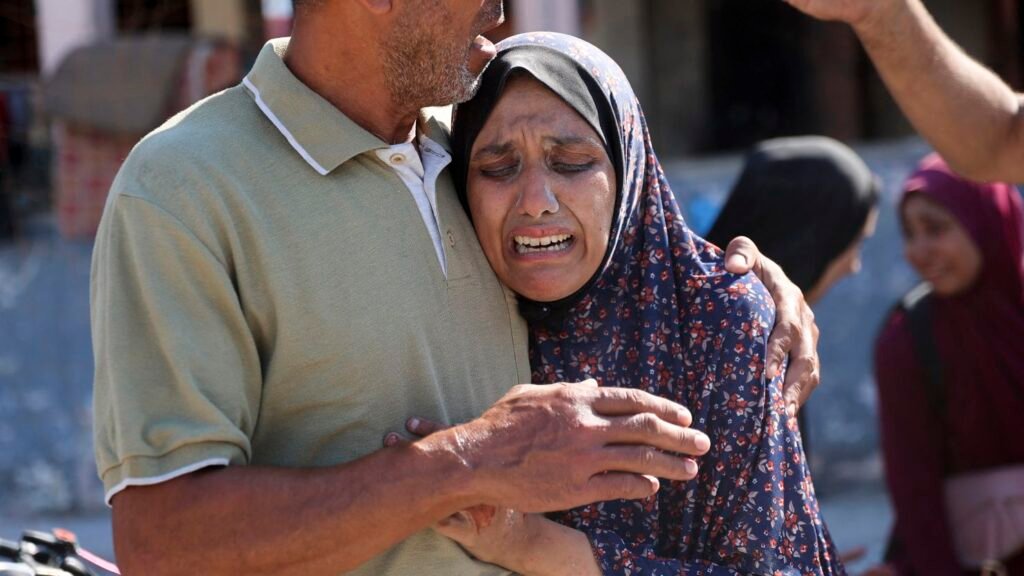
According to the statement, approximately 18,000 patients and injured individuals still require urgent medical evacuation, in addition to thousands needing specialized treatment abroad, amid the collapse of Gaza’s healthcare system caused by ongoing Israeli attacks and prolonged blockade conditions.
The center said Israeli occupation continues to restrict patient travel through complex administrative and security procedures, allowing only limited daily departures that fall far short of urgent humanitarian needs.
It stressed that freedom of movement is a fundamental right under international human rights law, warning that selectively managed travel arrangements in the context of war and siege raise serious concerns about demographic engineering under conditions of coercion and deprivation.
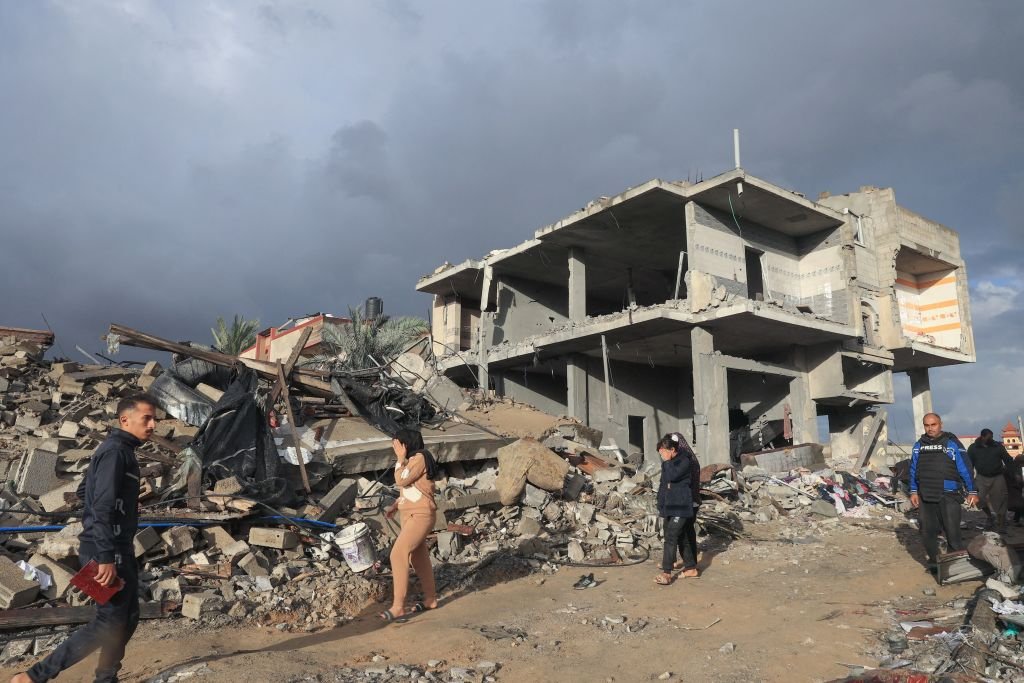
The statement recalled that Israel had expressed intentions early in the war to displace Gaza’s population, noting that widespread destruction of housing and infrastructure, combined with confinement of residents to a reduced portion of the territory, renders any “facilitated travel” ethically and legally questionable.
It further emphasized that leaving one’s homeland under conditions of insecurity, displacement, and lack of medical care cannot be considered a free choice, but rather a forced outcome of imposed living conditions.
The organization warned that creating circumstances that push civilians to leave their land may constitute forced displacement under international humanitarian law and the Genocide Convention, even if implemented through administrative procedures or designated travel corridors.
The center called for an immediate end to Israeli attacks and the lifting of the blockade, ensuring urgent medical evacuation for all patients and injured individuals without arbitrary restrictions or complex procedures.
It also urged that any travel mechanism be placed under transparent, internationally supervised frameworks to prevent its use as a tool for depopulating Gaza.
Finally, it called on the international community to uphold its legal responsibilities in protecting civilians, guaranteeing their right to remain on their land, and supporting reconstruction efforts while safeguarding their rights to movement and return.