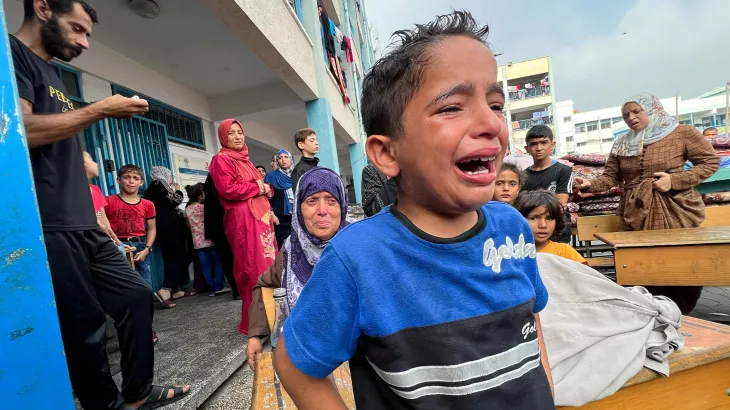
Gaza Herald – The Government Media Office in Gaza has reported that Israeli occupation forces committed 377 violations of the ceasefire agreement during April 2026, resulting in 111 Palestinians killed and 376 injured, alongside continued obstruction of humanitarian aid entry into the Gaza Strip.
According to the statement, these violations represent a “serious breach” of the ceasefire terms and undermine efforts to stabilize the situation or protect civilians under international humanitarian law.
The office stated that only 4,503 aid trucks entered Gaza during April out of the 18,000 trucks stipulated under the agreement, reflecting a compliance rate of no more than 25%. It said this shortfall reflects a deliberate disruption of humanitarian flow and a continued deprivation of basic civilian needs.
Regarding fuel supplies, only 187 fuel trucks entered Gaza during the same period, compared to the 1,500 agreed upon, amounting to just 12% compliance. The statement warned that this severe shortage has further worsened the humanitarian crisis and directly impacted essential services, particularly healthcare, water systems, and electricity.
On movement and travel, the report noted that only 1,567 travelers were able to enter or exit Gaza out of the 6,000 expected under the agreement, a compliance rate of 26%, describing it as a continued restriction on freedom of movement, including for patients, students, and humanitarian cases.
The office said these figures collectively demonstrate a failure to implement the ceasefire agreement and indicate ongoing delays and selective non-compliance that are deepening the humanitarian collapse in Gaza.
The statement condemned the continued killings and “starvation policies,” holding Israel fully responsible for the consequences of ongoing violations. It urged international mediators and guarantor parties to enforce full compliance with the agreement, particularly regarding humanitarian access, fuel delivery, and the reopening of crossings.
It further called for immediate and unimpeded entry of aid, restoration of regular travel through crossings, and increased international pressure to halt violations, warning that continued breaches constitute a grave escalation requiring urgent global intervention.