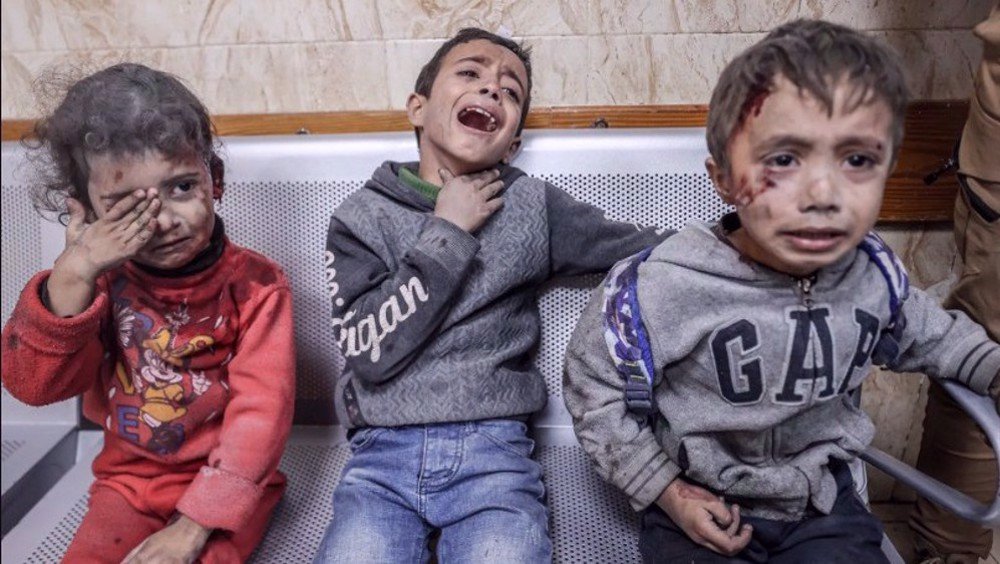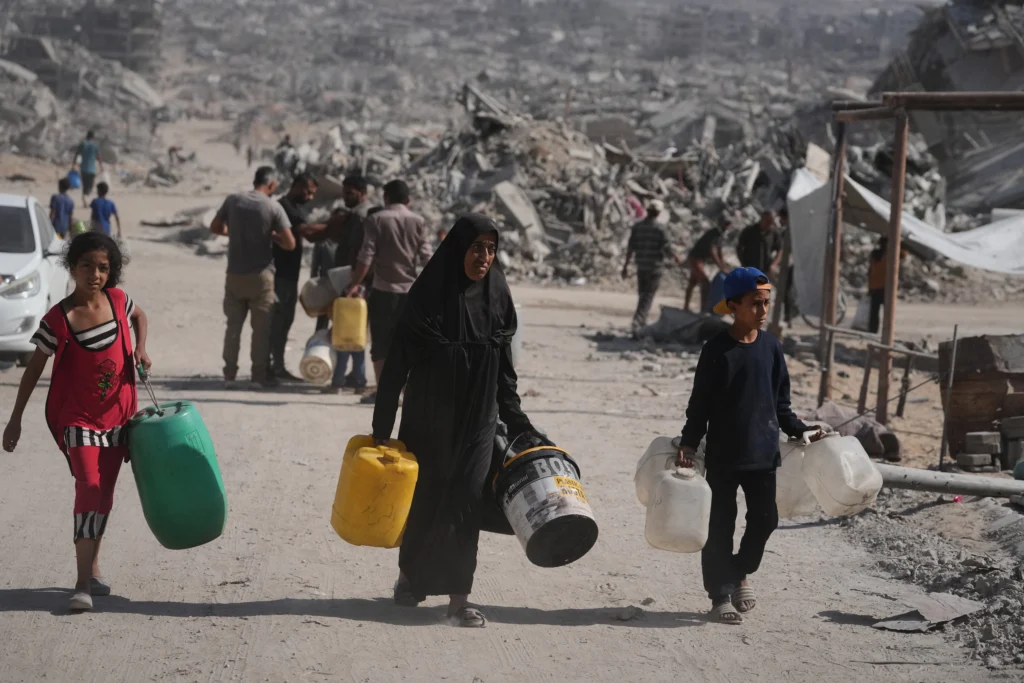
Gaza Herald – Gaza is experiencing an escalating humanitarian crisis marked by severe shortages of food, fuel, and basic supplies, as Israel continues to impose restrictions on aid flows that continue to impact daily life across the territory.
According to Gaza’s Government Media Office, the number of aid and commercial trucks entering the Strip has fallen sharply, reaching about 41,714 trucks over the past six months, compared with 110,400 trucks stipulated under the ceasefire arrangements, representing roughly 37% compliance. Fuel deliveries have been even more restricted, with only 1,366 fuel trucks entering out of 9,200 planned, or about 14%.
Officials say this shortfall has had direct consequences on food availability. Bread production has reportedly dropped to around 200 tonnes per day, well below the estimated 450 tonnes required to meet population needs. At the same time, market prices for basic goods have surged, with some staple items nearly doubling or tripling in cost within weeks.
The crisis is compounded by widespread economic collapse. Unemployment is estimated at around 80%, and more than 160,000 jobs across agriculture, industry, and commerce have been lost. As a result, even when food reaches markets, a large proportion of families are unable to afford it, with estimates suggesting 70-80% of households lack sufficient purchasing power.
Humanitarian monitoring also indicates reduced operations by several aid organizations, further limiting food distribution capacity. In parallel, restrictions on crossing points and controlled entry routes have created bottlenecks that reduce the overall volume of supplies entering the territory.
Officials and economic analysts describe the situation as a “compounded food crisis,” where both supply shortages and economic breakdown reinforce each other, leaving large segments of the population in sustained food insecurity despite the presence of international aid mechanisms.