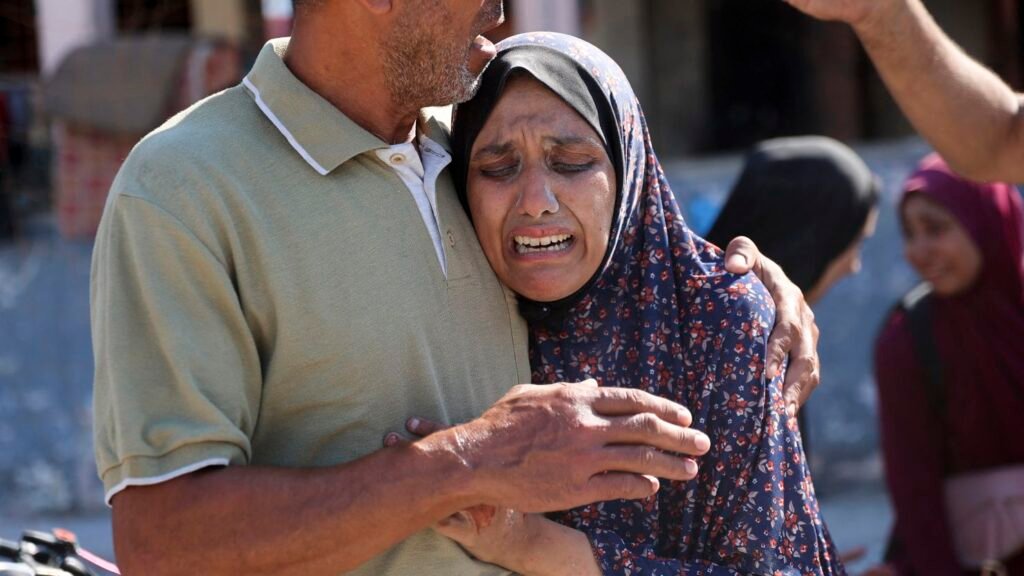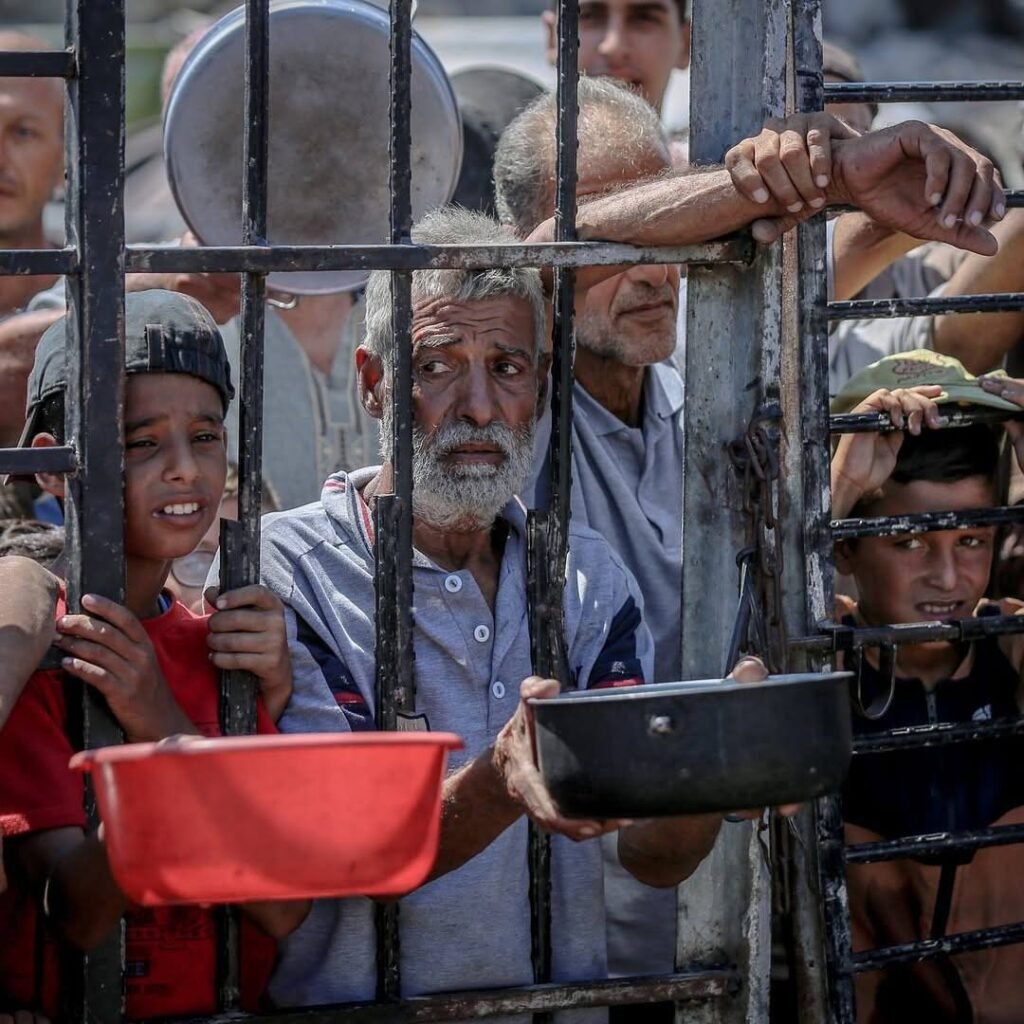
Gaza Herald- In contrast to older populations globally who spend their later years in relative comfort and stability, elderly people in Gaza are facing significantly harsher conditions. Temporary shelters, primarily tents, have become their main place of residence, despite being unsuitable for individuals with age-related vulnerabilities and ongoing physical hardship.
Old age in Gaza is increasingly defined by hardship rather than rest. Elderly individuals face ongoing challenges with mobility, sleep, and access to basic needs, as they live in inadequate tent shelters that expose them to harsh conditions and deepen their vulnerability.
Unbearable Pain
Abu Mahmoud Saqr, 72, a displaced elder from northern Gaza, described his daily struggle: “I can no longer move as I once did. The hard ground causes pain, sleep is difficult, and everything feels exhausting.”
In an interview with Shehab News Agency, Abu Mahmoud explained that life as a displaced elder has become extremely difficult. Once comfortable at home, he now sleeps on the ground and struggles with basic daily needs, enduring fatigue beyond his strength, with no choice but to persevere.
Um Faraj Abu Shaar, 78, a displaced resident of Mawasi, Khan Yunis, described the worsening conditions for the elderly, citing deteriorating health, limited access to medical care, and shelters that provide little protection.
Um Faraj told Shehab News Agency that even basic daily tasks have become a struggle. She highlighted the urgent need for assistance, pointing out that living in tents is harsh and unsuitable for her age and health. Despite the difficulties, she remains patient and relies on her faith to endure.
Abu Youssef Khalifa, 68, who suffers from chronic illnesses and lives in a tent, described his hardship, saying, “Nights are the most difficult. The cold seeps into my bones, the tent provides no real protection, and sometimes the pain wakes me, leaving me unable to move.”
In his interview with Shehab News Agency, Abu Youssef explained that access to his medication has become irregular, sometimes going several days without it, leaving him feeling progressively weaker.
Abu Al-Abed Nasir, 80, a resident of an overcrowded camp, described the constant noise as a major source of distress, citing children screaming and people moving in and out of tents, which he finds unbearable.
He added, “I have never liked noise, but now I have no choice. I am old, my hearing is sensitive, and the sounds cause me pain. Yet the tent offers neither peace nor comfort.”
Unprecedented Collapse
Erika Guevara Rosas, Director of Research and Advocacy at Amnesty International, highlighted that Gaza’s elderly are facing a severe and unprecedented health crisis, directly caused by Israel’s deliberate imposition of harsh living conditions on Palestinians in the Gaza Strip.
She further noted that Israel’s severe restrictions on aid have critically limited elderly residents’ access to medical care, essential medicines, nutritious food, and proper shelter.
A survey by HelpAge International of 416 elderly individuals found that the majority reside in crowded tents, with 84% stating that their living conditions negatively impact their health and infringe on their privacy.
The survey also indicated that 68% of respondents had reduced or stopped their medication due to shortages.
Amnesty International urged Israeli authorities to permit the entry of essential medicines, shelter materials, and other critical supplies, stressing that the rights and needs of elderly residents in Gaza cannot be ignored.
Despite the harsh conditions, Gaza’s elderly persevere with silent resilience, enduring overwhelming hardships imposed upon them with no ability to alter their reality.