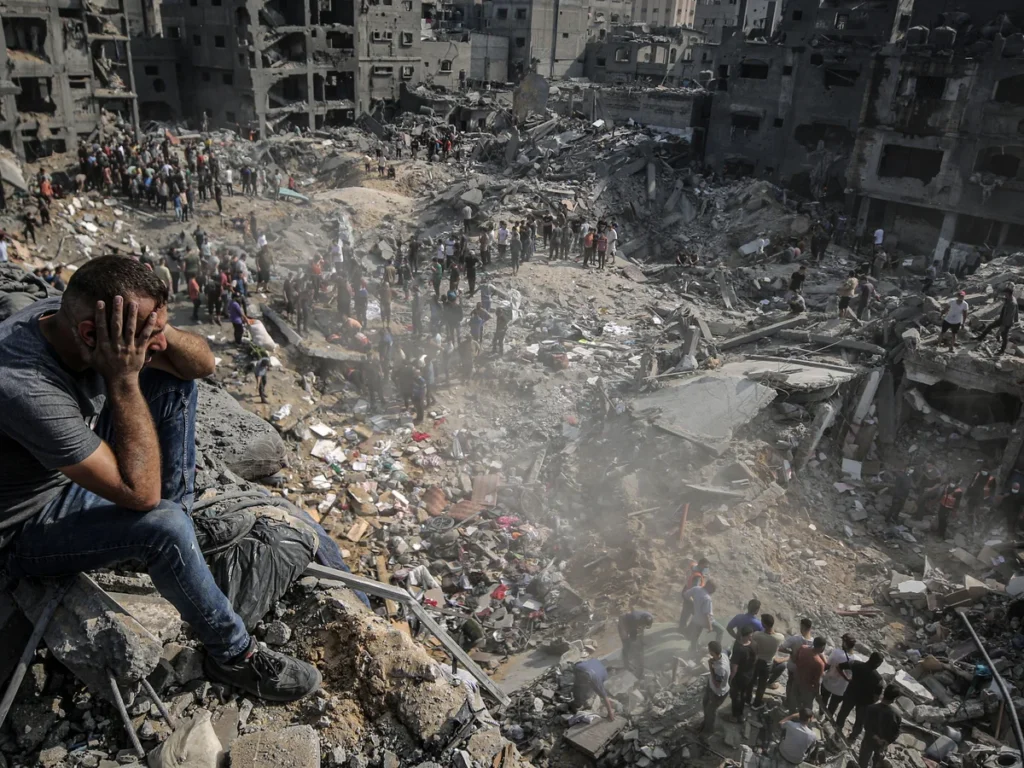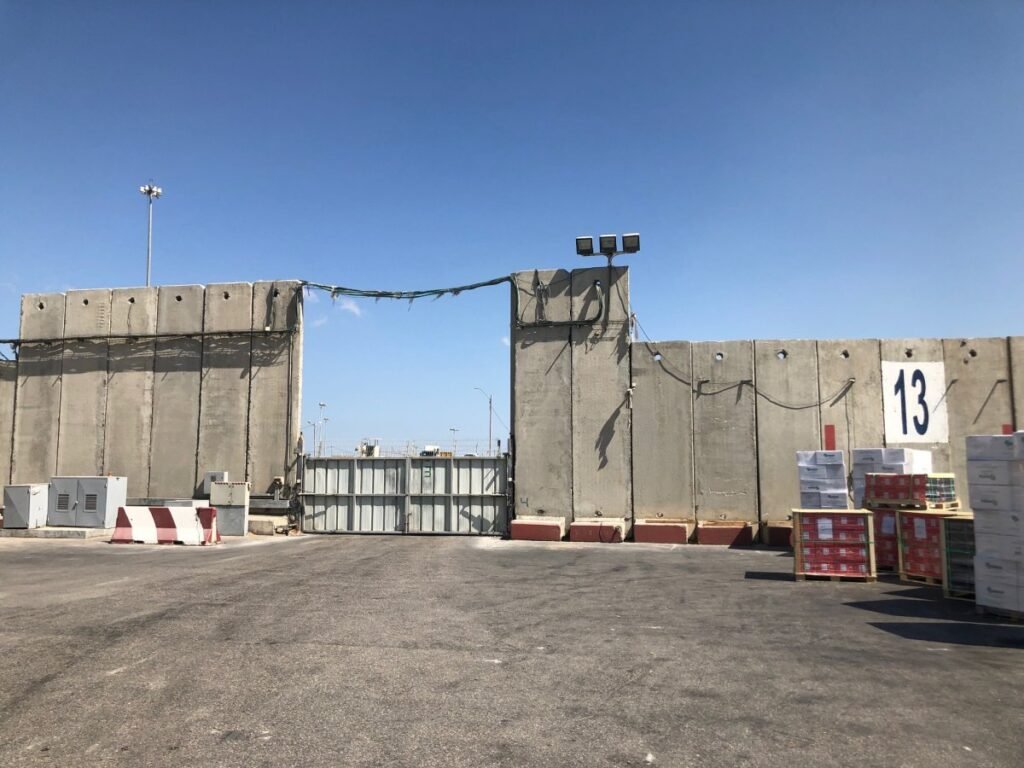
Gaza Herald_ While the partial reopening of the Rafah crossing has been presented as a humanitarian breakthrough, voices from Gaza’s overwhelmed medical community warn that the move remains largely symbolic. For tens of thousands of wounded Palestinians trapped inside a shattered healthcare system, the current pace of medical evacuations offers relief to a few, but abandonment to many.
Dr. Mohammed Tahir, chief of surgery at Fajr Global, a U.S.-based medical NGO, said the reopening of Rafah could indeed serve as a vital artery for Gaza, but only if it is expanded significantly. Speaking to Al Jazeera, Tahir stressed that medical evacuations are urgently needed for tens of thousands of injured Palestinians, whose care has become an unbearable burden on a health system already devastated by months of bombardment.
Many of those awaiting evacuation, Tahir explained, are polytrauma patients, people suffering from multiple, complex injuries who have gone untreated or under-treated due to the destruction of hospitals, shortages of equipment, and the killing and displacement of medical staff.
The consequences of these delays have been fatal. According to Tahir, more than 1,000 patients died while waiting for permission to evacuate between late July and November 2025 alone, deaths he described as entirely preventable.
Under current arrangements, Israel is allowing approximately 150 patients per day to exit Gaza through Rafah. Tahir was blunt in his assessment: this number “does not even scratch the surface” of what is required. “This is just a token,” he said, emphasizing that the scale of Gaza’s medical emergency demands far more than incremental gestures.
Allowing a limited number of evacuations each day may help ease international pressure, but it does little to confront the magnitude of Gaza’s humanitarian disaster. When thousands are dying while waiting for care, restrictions on medical evacuation become not a logistical issue, but a moral one. A true lifeline is not measured by symbolic openings or carefully managed quotas, it is measured by whether lives are actually being saved. Until access is expanded to meet the reality on the ground, Gaza’s wounded will remain hostages to a policy that treats survival as a privilege rather than a right.