Gaza Herald_ Israel is operating a dual-track system for goods entering Gaza, permitting commercial traders to import items deemed too dangerous for humanitarian organizations, while continuing to block aid groups from delivering the same life-saving materials.
Essential supplies such as electrical generators and tent poles remain on Israel’s long-standing “dual-use” blacklist, which classifies civilian items as potential security threats because they could allegedly be repurposed by Hamas or other armed groups. As a result, humanitarian agencies have been barred from bringing these materials into Gaza, even amid widespread displacement and infrastructure collapse.
Yet for more than a month, Israeli authorities have approved the entry of identical dual-use items through commercial channels. According to military, diplomatic, and humanitarian sources, private traders have been allowed to transport generators, metal pallets, and other restricted goods into Gaza, where they are now openly sold on the local market.
Aid Barred, Commerce Approved
These commercial shipments pass through the same three heavily controlled Israeli checkpoints that continue to block humanitarian consignments containing the very same items. The inconsistency has raised alarm among diplomats and aid workers.
“It’s extremely difficult to believe that Israeli authorities are unaware of this,” one diplomatic source said. “The fact that these goods are entering through private trade while aid organisations are denied access is deeply disturbing.”
The disparity has significantly constrained the work of humanitarian groups attempting to meet urgent civilian needs, while simultaneously creating lucrative business opportunities for traders able to secure Israeli import permits.
Weaponizing Access and Control
The issue has been raised with US officials overseeing ceasefire coordination. Lieutenant General Patrick Frank, the American commander of a newly established US base in southern Israel, has reportedly been briefed on the dual-use restrictions during discussions at the Civil-Military Coordination Center (CMCC). The center was created in October to monitor the US-brokered ceasefire and coordinate plans for Gaza. However, Frank’s position on the policy remains unclear.
Human rights experts say the pattern reflects a broader Israeli strategy of controlling Gaza through selective access rather than genuine security concerns.
Tania Hary, executive director of the Israeli human rights organization Gisha, which has monitored Israeli restrictions on Gaza for two decades, said the policy is neither accidental nor contradictory.
“On the surface, allowing private traders to bring in dual-use items while blocking aid groups may look inconsistent,” Hary said. “But in reality, it aligns with a long-standing policy aimed at empowering certain actors while weakening others.”
She stressed that restrictions on items like generators have little to do with their inherent danger. “It’s not about the object itself,” she explained. “It’s about who controls it, where it goes, and how it’s used.”
Profit Over Survival
Israeli controls on Gaza have long made trade highly profitable for a limited group of Palestinian and Israeli intermediaries able to navigate the permit system. With humanitarian access severely restricted, prices for dual-use items inside Gaza have soared, placing critical supplies unreachable for many civilians.
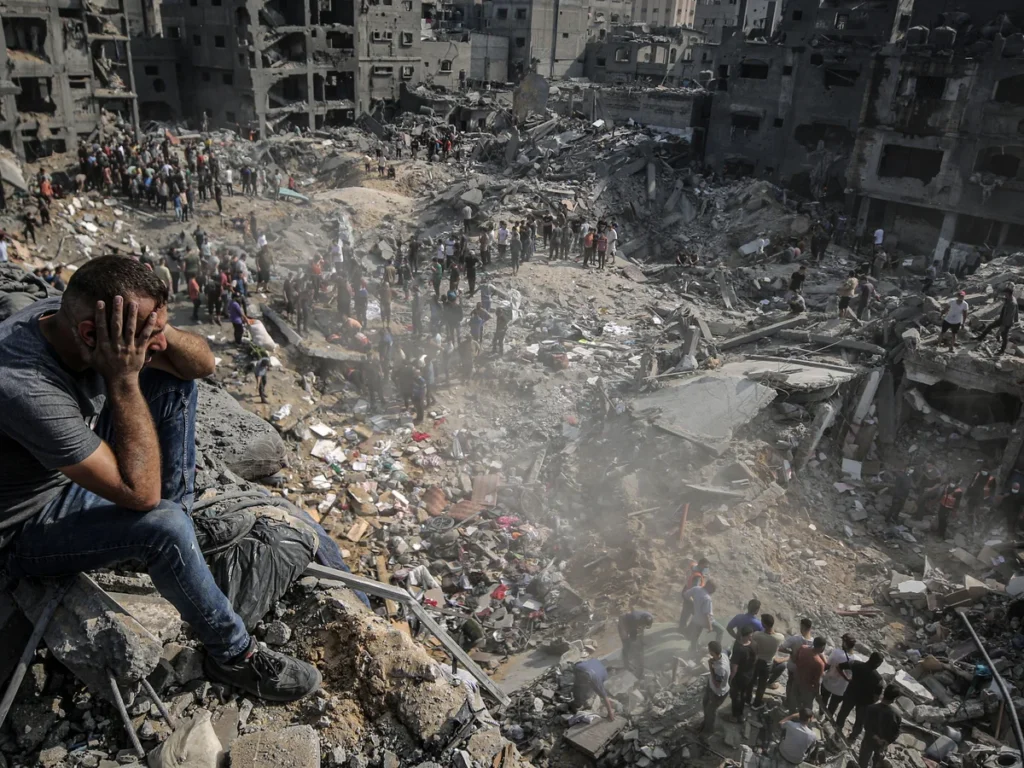
As winter conditions worsen and humanitarian needs intensify, critics warn that Israel’s selective enforcement of dual-use restrictions is not merely bureaucratic but part of a broader system that commodifies survival and entrenches dependence, while systematically undermining humanitarian relief.