Gaza Herald_As winter sets in, Palestinian prisoners in Israeli jails are forced to endure more than incarceration alone. The bitter cold becomes an added instrument of punishment, intensifying the suffering of bodies already weakened by detention, starvation, and medical neglect. Inside prison cells that lack even the most basic standards of human dignity, winter turns into another layer of abuse.
Held in damp, concrete cells with no heating and barely any blankets, prisoners spend long, cold nights confronting freezing temperatures without adequate winter clothing or protection. Their ability to meet basic needs is deliberately restricted, while their voices remain trapped behind sealed walls and ongoing isolation.
With every cold wave, conditions grow harsher, especially for sick detainees, elderly prisoners, children, and women. Israeli prison authorities’ deliberate neglect effectively transforms winter into a season of collective punishment, one that is no less cruel than other forms of torture imposed on prisoners.
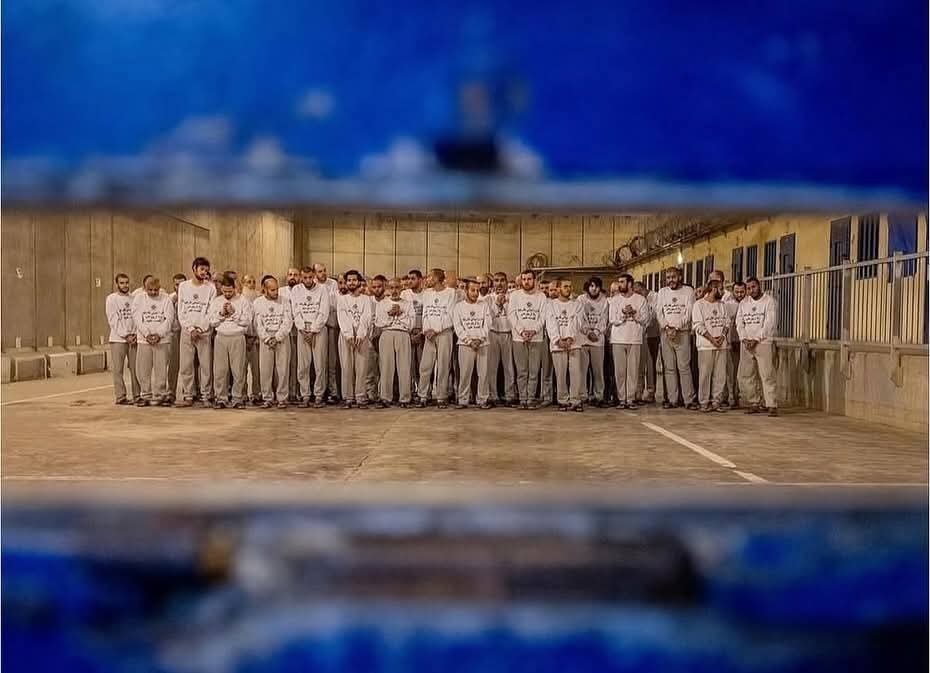
According to data from Palestinian prisoner-support organizations and human rights groups, approximately 9,500 Palestinians are currently held in Israeli prisons. Among them are around 350 children, 49 women, and more than 3,500 administrative detainees imprisoned without charge or trial, in blatant violation of international law.
Systematic Abuse Under the Cover of Cold
Hassan Abd Rabbo, media advisor to the Palestinian Authority’s Commission of Prisoners’ Affairs, says detainees are exposed to freezing without access to sufficient blankets or winter clothing. He explains that prison administrations intentionally deny heating as part of a systematic policy of physical and psychological pressure.
Abd Rabbo notes that these practices are part of a broader punitive framework that includes solitary confinement, reduced food portions, and denial of family visits. Together, these measures have led to severe deterioration in prisoners’ physical and mental health, especially amid the spread of illness and the near-total absence of proper medical care.
His assessment aligns with that of Riyad al-Ashqar, head of the Palestine Center for Studies, who says winter exposes the harshest face of Israel’s policy of neglect. He emphasizes that prisoners are deprived of their most basic rights, including warm clothing, blankets, and heating.
Al-Ashqar points out that some prisons are located in particularly cold regions, making survival inside the cells extremely difficult due to high humidity and freezing concrete walls. He stresses that vulnerable groups, including the sick, elderly, children, and women, bear the heaviest burden of these conditions.
Human rights reports consistently confirm that winter suffering is not incidental or temporary, but part of a long-standing policy aimed at breaking prisoners’ will. This includes deliberate medical neglect, overcrowding, bans on clothing and blankets, and restrictions on lawyer and human rights visits.
These practices directly violate the Geneva Conventions and international humanitarian law, which require occupying powers to ensure humane detention conditions, including adequate food, clothing, and healthcare. Instead, the reality inside Israeli prisons reflects systematic disregard for these obligations, particularly since October 7, 2023.
Layered Crimes and International Silence
As Israel’s assault on Gaza escalated, violations against prisoners reached unprecedented levels. The Prisoners’ Media Office has described current detention conditions as “catastrophic,” citing daily beatings, torture, deliberate starvation, widespread illness, and near-total deprivation of winter necessities.
The Commission of Prisoners’ Affairs has warned that detention conditions have reached “lethal levels,” documenting the deaths of at least 100 prisoners in Israeli custody since the war began. These deaths, according to rights groups, resulted from torture, medical neglect, and inhumane detention conditions.
Al-Ashqar describes what prisoners are facing as an “organized humanitarian crime” that requires immediate international intervention. He calls for urgent pressure on Israel to comply with international law and ensure legal and humanitarian protection for detainees, especially during the winter months.
Abd Rabbo, meanwhile, argues that continued international silence provides Israel with cover to persist in its abuses. He urges global human rights organizations to intervene immediately to end collective punishment and secure the minimum conditions necessary for prisoners’ survival.
Under these conditions, winter is no ordinary season for Palestinian prisoners. It is another chapter in a prolonged ordeal, where cold becomes a weapon, and global inaction becomes a silent accomplice in suffering that shows no end.