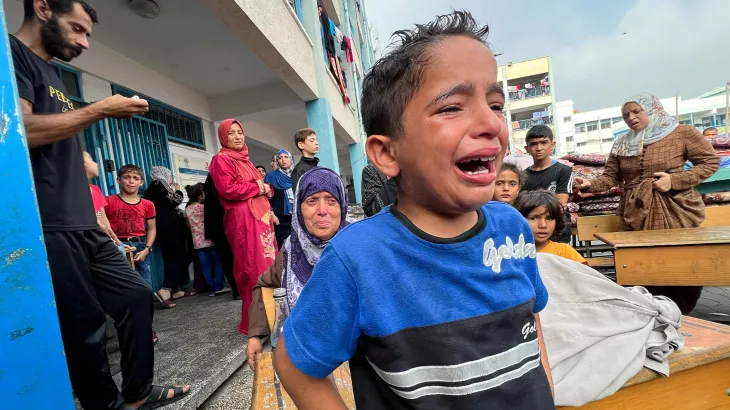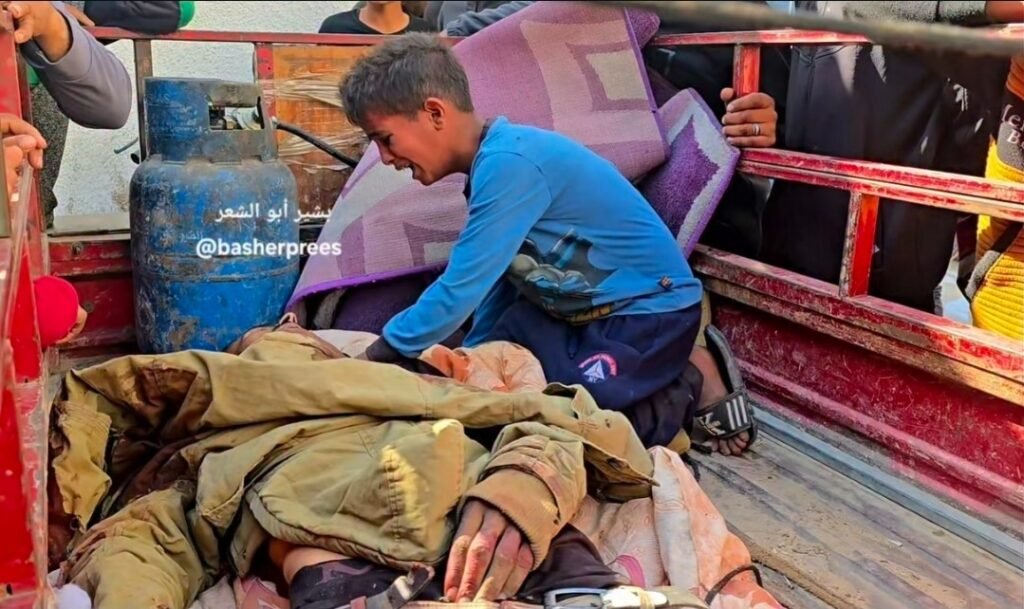
Gaza Herald – Two months after the ceasefire took effect, Gaza’s 2.3 million people continue to face daily life-threatening conditions, as Israel’s genocide leaves families battling starvation, disease, and total devastation. Aid officials say the war has not ended for women and children, who confront physical, emotional, and economic collapse under the weight of destruction.
Women-headed households, more than 57,000 families, are among the most vulnerable, many now living without income, shelter, or basic survival necessities. Families stand in line for hours for food and water, cook over open fires, wash in buckets, and sleep under damp blankets as winter intensifies the suffering. Residents say their expectations for life have been reduced from homes and schools to a simple plea for a dry tent, a small heater, or a steady light source.
Only one-third of Gaza’s health facilities remain partially functional, all of them understaffed, overwhelmed, and critically undersupplied. Medicine is scarce, newborn units are overflowing, and doctors continue working despite profound human losses. Health officials warn that the system survives only because medical workers refuse to abandon their people.
Basic survival has replaced every other human aspiration. Families describe a daily struggle to keep their children fed, warm, and alive amid starvation-level food shortages and rapidly spreading disease. With infrastructure destroyed and services collapsed, Gaza remains trapped in conditions that humanitarian leaders say cannot support life.
Yet amid the ruin, Gaza’s exhausted city continues to show defiant resilience. Its residents, battered, hungry, and displaced, fight each day to stay alive under genocide, holding onto a fragile hope that tomorrow may offer the smallest measure of relief.