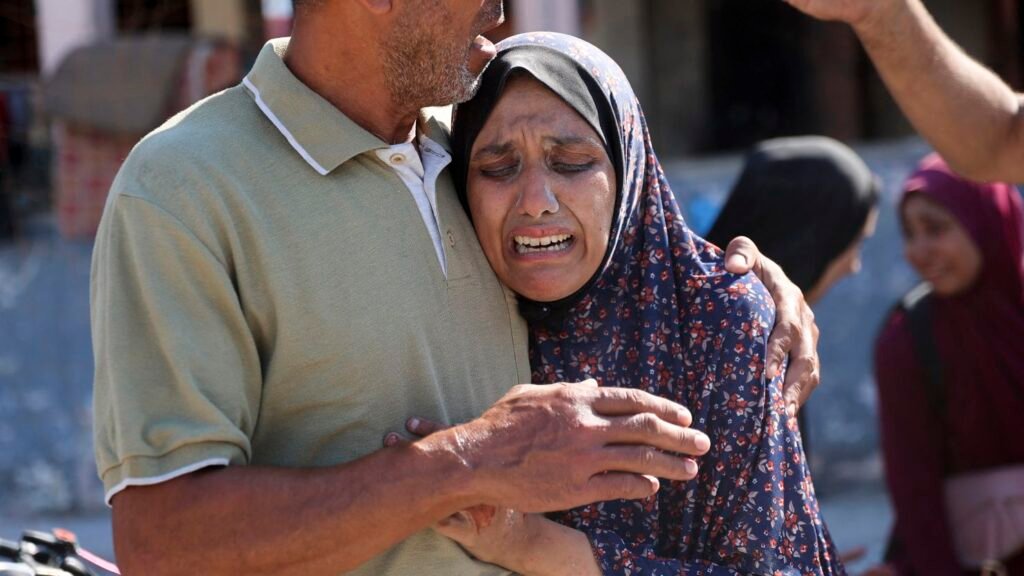
Gaza Herald- The United Nations has warned that more than 200 makeshift displacement sites across the Gaza Strip are facing a severe risk of flooding this winter, threatening hundreds of thousands of people already living in extreme hardship.
According to the latest humanitarian assessment by the UN Office for the Coordination of Humanitarian Affairs (OCHA), 214 active displacement sites are particularly vulnerable due to their exposed locations and the fragile conditions of the shelters.
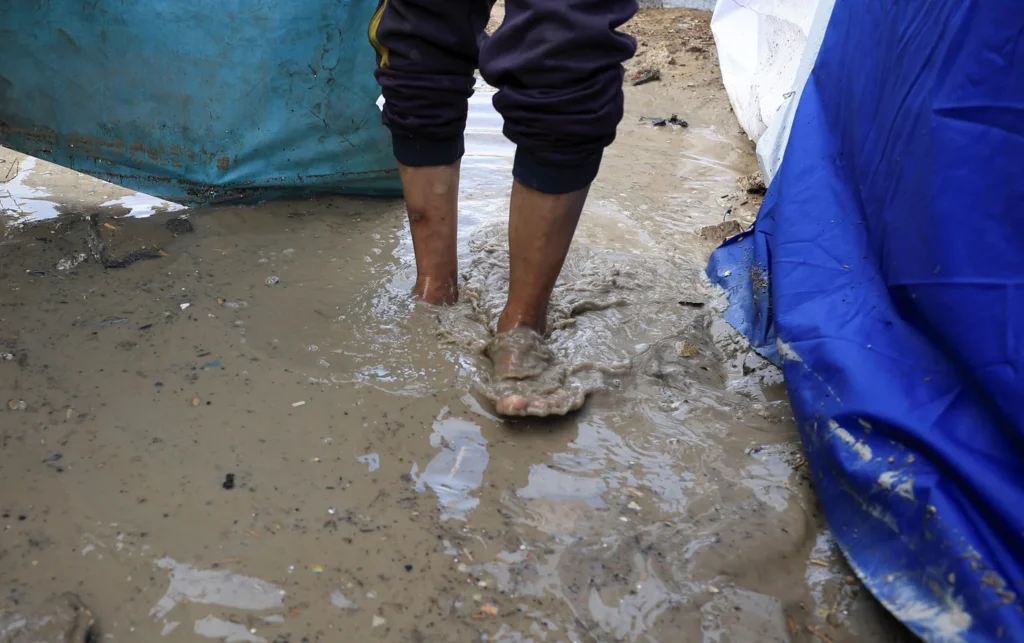
Last week, widespread flooding damaged thousands of tents across Gaza as winter temperatures fell sharply. Nearly 1.5 million Palestinians are now sheltering in 925 displacement sites, including 1.1 million people living in makeshift camps highly susceptible to flooding, wind damage, and cold exposure.
The winter crisis is further compounded by the near-total collapse of the health sector. Out of 590 health facilities in Gaza, only three are fully functioning. Just 18 of the 36 hospitals across the Strip remain operational.
A recent electricity disruption also forced the Southern Gaza Desalination Plant to cut water production by one-third, worsening access to clean water at a time when disease risks are rising.
Humanitarian access remains critically restricted. Between October 10 and November 20, around 100,000 aid pallets entered Gaza, but only 87,500 were collected for distribution, far below the massive needs of the population facing winter storms, damaged shelters, and scarce heating.
On Monday, November 18, the UN also issued a warning, stating that Palestinians throughout the Strip are facing deteriorating humanitarian conditions as the delicate shelters of displaced families are being destroyed by heavy rains.
UN Deputy Spokesperson Farhan Haq said Under-Secretary-General for Humanitarian Affairs Tom Fletcher reported that families in Gaza are “cold and soaked” after days of relentless rainfall, with frustration rising as floodwaters sweep away what little remains of their belongings.
Fletcher said that while the UN and humanitarian partners are scaling up relief operations, “much more is needed,” urging the immediate lifting of all remaining restrictions to allow life-saving aid into the enclave.
OCHA reports that relief workers are still distributing tarpaulins, tents, and other necessities throughout the affected areas while also evaluating changing needs to direct the response. The UN has begun fast-tracking new emergency funds to expand operations, but inadequate access, damaged infrastructure, and harsh weather conditions remain major obstacles.