Gaza Herald – The International Organization for Migration and the Conflict and Environment Observatory have warned of a large-scale environmental catastrophe in the Gaza Strip. Their analysis indicates potential pollution markers across more than 99 percent of the territory, resulting from military operations that affected approximately 78 percent of its land.
The joint report, titled “Environmental War Crimes: How the Occupation Attack Turned Gaza into a Barren Toxic Land,” states that shelling, explosive weapons, fires, and infrastructure destruction created multiple pollution sources. These include heavy metals, explosive residues, asbestos from collapsed buildings, dioxins, and biological contaminants.
According to the organizations, these pollutants threaten air, water, and soil quality. Palestinians face exposure risks through inhalation, food consumption, drinking water, and direct contact with contaminated soil and rubble. The spread of pollution sources across residential, agricultural, and utility networks makes avoiding health hazards extremely difficult.
Amitab Bihari, Executive Director of Oxfam International, stated that the destruction and pollution of Gaza’s environment have deteriorated essential conditions for human survival. He warned that consequences would extend beyond current residents to future generations.
Lama Abdulsamad, Global Water and Sanitation Specialist at Oxfam and author of the report, emphasized that environmental remediation will be highly challenging due to contamination spread across rubble, farmlands, water systems, and soil, alongside unexploded ordnance.
Regarding water resources, an analysis of 79 groundwater wells conducted in July 2026 revealed fecal coliform bacteria in 19 percent of them. This marks a sharp increase from 2 percent reported in 2021. Only 19 percent of wastewater pumping stations remain operational, with network capacity limited to 30 percent.
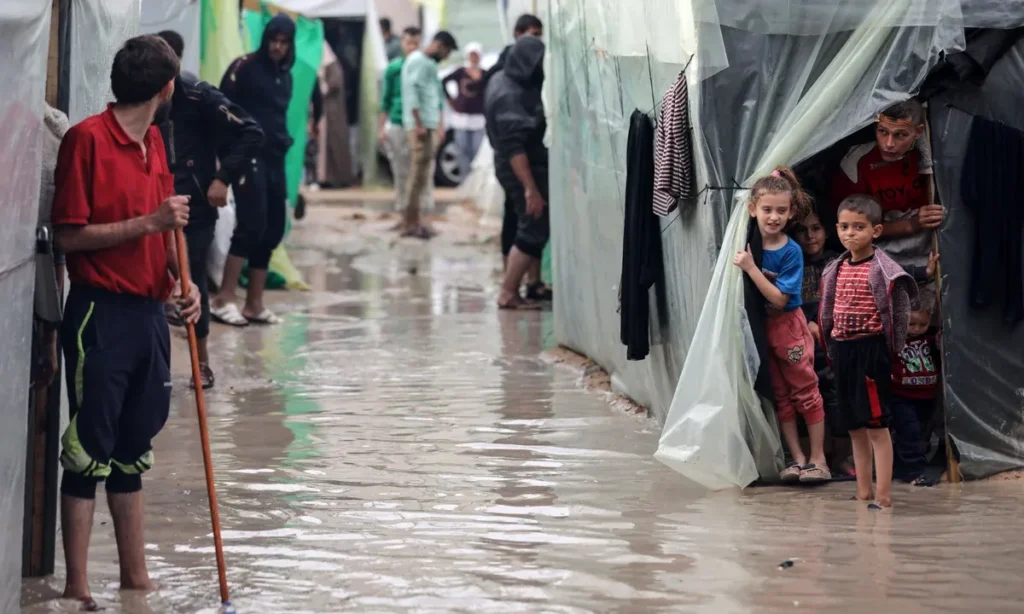
The report highlights severe risks to drinking water safety in northern Gaza, Gaza City, and Deir al-Balah. Active wells and desalination plants intersect with sensitive aquifer systems in areas heavily bombed and filled with debris. Floods and sewage overflows further increase contamination probabilities.
Soil pollution poses long-term threats to agriculture, particularly in areas around Beit Hanoun, Wadi Gaza, and northeastern Khan Younis. The clay-rich soil may retain pollutants for extended periods, potentially transferring contaminants to crops and endangering food security.
Air pollution risks are highest in Gaza City, Jabalia, and North Gaza Governorate. Wind, vehicle movement, and debris removal activities resuspend toxic dust from destroyed buildings and explosions.
The United Nations Environment Programme estimates over 61 million tons of rubble exist in Gaza. This debris contains hazardous materials such as toxic dust, explosive remnants, asbestos, and heavy metals, plus unexploded munitions that block safe access and complicate cleanup efforts.
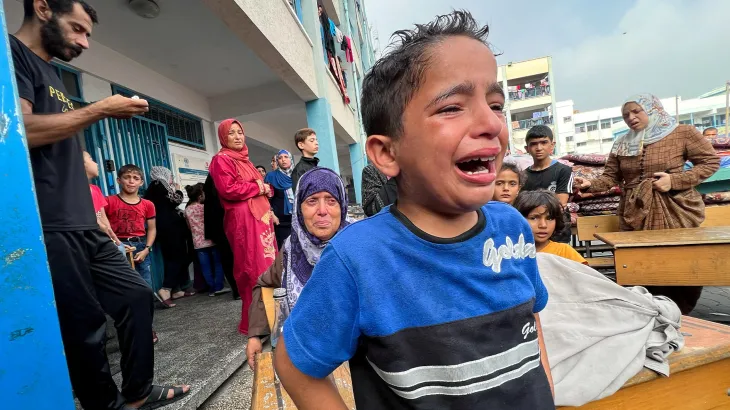
Bihari noted that children and pregnant women are among the most vulnerable groups due to their physiological sensitivity to pollutants and higher inhalation rates relative to body weight. Continued exposure to dust and hazardous substances may cause respiratory irritation, asthma exacerbation, and long-term lung damage.
This report was produced in the Gaza Herald newsroom.