Gaza Herald — For 48 Palestinian prisoners from the besieged Gaza Strip, completing their prison sentences has not brought the freedom they spent years awaiting. Israeli occupation authorities continue to hold them behind bars despite the full expiration of their officially imposed sentences, trapping prisoners and their families in prolonged, agonizing uncertainty.
Their unlawful continued detention unfolds amid a total severance of communication between Gaza prisoners and their relatives since the onset of Israel’s genocidal war on Gaza, compounding the anguish of families desperate for a long-overdue reunion.
Among those arbitrarily kept behind bars is Atef al-Shami, who completed his 11-year prison sentence last May. Rather than being freed, he remains in Israeli custody with no indication of when, or if, he will be permitted to return home to his family.
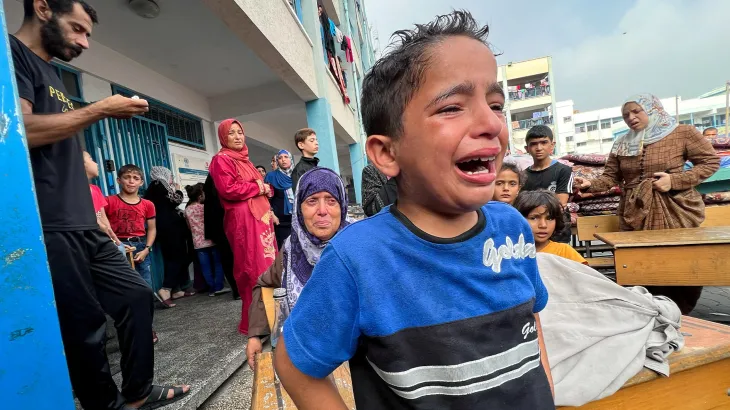
His elderly mother, forcibly displaced and living in a fragile tent, continues to wait in vain for word of her son.
Her grief has been compounded by the killing of her husband by Israeli occupation forces while Atef was imprisoned. Denied even the right to bid farewell to his martyred father, Atef remains locked away while his mother endures displacement, bereavement, and isolation alone. She described the ordeal as unbearable, recalling how her son counted down the years toward his release and reunion with his siblings, only for the expiration of his sentence to turn a moment of long-awaited hope into renewed psychological torment.
Arbitrary Detention Beyond Sentences Enforces Total Isolation
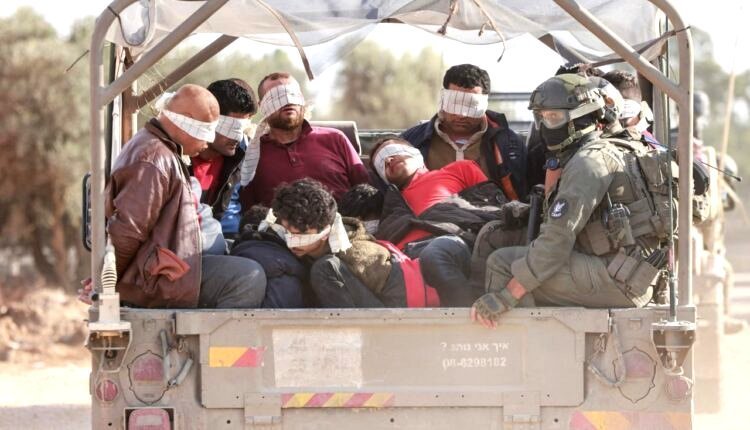
Atef’s ordeal is far from isolated. Palestinian prisoner advocacy and human rights sources confirm that dozens of prisoners from Gaza are subjected to identical treatment, remaining imprisoned indefinitely after completing their full terms. Compounding their unlawful detention, Israeli prison authorities enforce a strict blackout, banning family visits, phone calls, and independent legal communication, leaving relatives unable to verify their whereabouts, check on their medical condition, or confirm their survival.
For families in Gaza, this enforced isolation occurs against a backdrop of widespread destruction and serial displacement. Having lost their homes to Israeli bombardment and now struggling to survive in overcrowded tents, mothers, wives, children, and siblings are forced to bear the crushing uncertainty of not knowing whether their imprisoned loved ones are safe or whether their overdue releases will ever be honored.
Israel Weaponizes the “Unlawful Combatants Law” for Indefinite Detention
Human rights organizations affirm that holding Palestinians in prison after their sentences have expired constitutes a flagrant violation of fundamental protections under international humanitarian law and the International Covenant on Civil and Political Rights.
To manufacture a pretext for this illegal practice, Israeli occupation authorities invoke the draconian “Unlawful Combatants Law.” This legislation grants Israeli military and intelligence agencies sweeping powers to detain Palestinians indefinitely without formal charges, evidence disclosure, or basic due process guarantees. Legal advocates warn that converting expired prison sentences into indefinite administrative or “unlawful combatant” detention eliminates judicial oversight and institutionalizes arbitrary imprisonment as a tool of collective punishment against Gaza’s population.
Thousands of Gaza Detainees Endure Systematic Abuse and Enforced Disappearance
According to documented figures compiled by organizations monitoring Palestinian prisoner affairs, approximately 2,000 detainees from the Gaza Strip remain held inside Israeli prisons and military detention camps, where they face brutal conditions, medical neglect, and systematic torture that have intensified in recent months.
Simultaneously, the fate of thousands of additional Palestinians who were abducted or went missing during Israeli military ground operations remains concealed. Families continue searching desperately for answers, unaware of whether their missing relatives were executed, died under torture in custody, or are being held in secret detention sites. Due to Israel’s refusal to disclose detainee registries or allow independent inspections, the plight of Gaza’s prisoners and forcibly disappeared civilians remains one of the gravest humanitarian crises of the war.
Displaced Families Demand Urgent International Intervention
Families of the 48 prisoners whose sentences have expired have appealed urgently to international human rights bodies and the International Committee of the Red Cross (ICRC) to intervene and compel Israeli authorities to release their relatives immediately. They stress that persistent international inaction emboldens Israel to hold Palestinians hostage beyond their legal sentences without consequence.
Prisoner advocacy groups further warn that Israeli occupation authorities are weaponizing Gaza detainees as political bargaining chips, inflicting deliberate psychological cruelty on elderly parents and war-torn families. The plight of Atef al-Shami’s mother mirrors that of countless Palestinian mothers across Gaza whose children remain imprisoned, martyred, or forcibly disappeared.
Having lost her husband to Israeli violence, she relied on the hope that her son would return upon completing his 11-year sentence to support her; instead, she remains alone in a displacement tent, robbed of a reunion that justice should have guaranteed months ago.
Holding 48 Palestinians behind bars after their sentences have expired is an indefensible breach of international law. International organizations and diplomatic mediators must demand immediate access to all Israeli detention facilities, compel full disclosure of the fates and conditions of all Gaza detainees, and secure the immediate, unconditional release of every prisoner whose sentence has ended. For mothers waiting inside Gaza’s winter-battered displacement camps, the end of a prison sentence must mean freedom and reunion, not indefinite captivity.