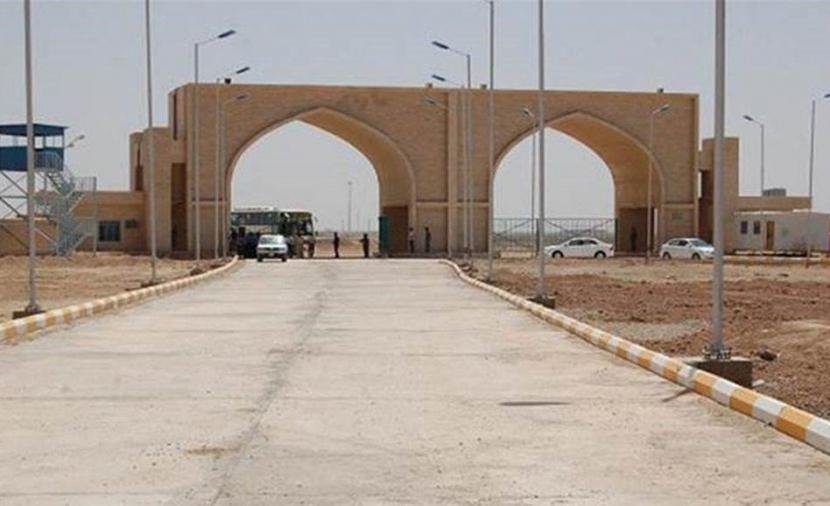
Gaza Herald – Iraqi authorities have resumed operations at the Shible border crossing in Maysan province, allowing movement of travelers and commercial exchange with Iran. The facility remained closed for approximately three weeks to facilitate security and administrative restructuring.
The Iraqi Border Crossings Authority announced Wednesday that the checkpoint is now active again. Officials stated that transit operations have restarted, enabling the flow of goods and people between the two nations after the temporary suspension.
According to the authority, daily movement through the crossing will include hundreds of trucks and roughly one thousand passengers. This figure encompasses various categories of travelers, including patients seeking medical care and students traveling for educational purposes.
This development allows for the continuation of mobility and trade activities between Iraq and Iran. The reopening aims to stabilize cross-border interactions while maintaining necessary oversight on both sides of the shared frontier.
The decision to reopen follows a period where Baghdad sought to enhance control over border points. Authorities indicated that the strategy involves tightening security and administrative procedures rather than resorting to complete closures when issues arise.
This approach reflects ongoing efforts by the Iraqi government to regulate the movement of people and goods more effectively. The goal is to balance security concerns with the economic and social needs of communities near the border.
The move comes amid continuous pressure from the United States and other international actors. These entities have urged Baghdad to better manage the shared border with Iran to address regional security challenges.
International stakeholders have emphasized the importance of preventing illicit activities across the frontier. They view stricter controls as essential for maintaining stability in the broader region.
Local traders and commuters had expressed concern during the closure period. The resumption of services is expected to alleviate some of the logistical difficulties faced by those relying on this route for daily needs.
Observers note that the three-week pause allowed for significant internal reviews. Security protocols were likely updated to meet new standards demanded by domestic and foreign partners.
The specific details regarding the exact nature of the administrative changes remain limited. However, the return to normal operations suggests that initial adjustments have been successfully implemented.
Future monitoring will determine if these measures prove sustainable. The long-term impact on trade volumes and security incidents remains to be seen as operations fully normalize.
This report was produced in the Gaza Herald newsroom.