Gaza Herald – Economist Ahmad Abu Qamar has warned of a deepening bread crisis in the Gaza Strip, driven by declining flour supplies and reduced international food aid. He emphasized that the situation threatens both production continuity and citizens’ ability to meet daily needs.
Abu Qamar stated that the shortfall in flour provision exceeds 25 percent of the sector’s total daily requirements, estimated at approximately 450 tons. This deficit directly impacts bakeries’ capacity to serve the population, as they struggle to maintain output levels amid severe resource constraints.
The expert highlighted that the World Food Programme’s contribution to bakeries has dropped significantly. Daily deliveries have fallen from over 260 tons to between 125 and 135 tons, representing nearly half of previous volumes. This reduction coincides with a sharp decline in humanitarian assistance coverage.
According to Abu Qamar, around 1.6 million beneficiaries have decreased to 1.1 million people receiving monthly food aid. Approximately 500 thousand individuals are now excluded from these programs. The curtailment of rations shifts more responsibility onto commercial markets, where families face weak purchasing power.
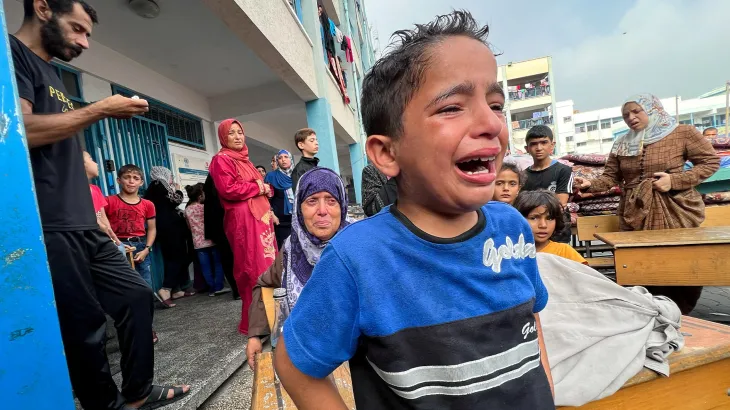
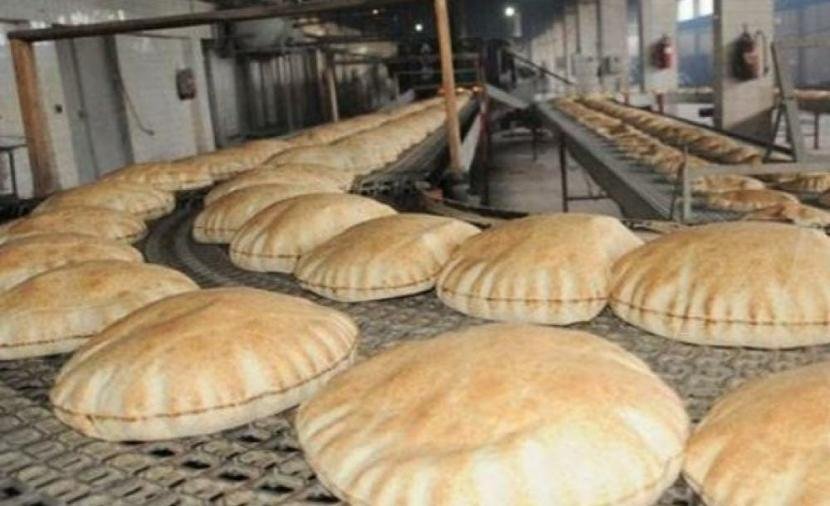
This economic pressure makes obtaining bread increasingly difficult, leading to long queues outside bakeries once again. Abu Qamar noted that bakeries require at least ten regular truckloads of flour daily, each carrying about 33 tons, alongside commercial supplies to avoid reliance on a single source.
He stressed the necessity of maintaining a reserve stock lasting between 12 and 14 days. Such a buffer is essential to prevent production drops or halts caused by border closures or delayed shipments. Without this safety margin, the system remains vulnerable to sudden disruptions.
The crisis extends beyond flour scarcity to include shortages of mineral oils and spare parts for bakery equipment maintenance. These deficiencies increase breakdown risks and operational costs, further endangering continuous production capabilities across the strip.
Abu Qamar described the issue as a comprehensive emergency involving supply chains, aid distribution, production, and maintenance, rather than merely a lack of wheat flour. He cautioned that continuing current trends will make accessing this staple food even harder for residents.
He called for guaranteed regular flows of adequate flour quantities through crossings, along with fuel, mineral oils, and spare parts. Establishing strategic reserves for bakeries is crucial to ensure stable production and prevent daily struggles over basic sustenance.
This report was produced in the Gaza Herald newsroom.