Gaza Herald — Israeli courts have rejected two separate petitions filed by Physicians for Human Rights Israel (PHRI), leaving 14 Palestinian doctors imprisoned without charge or trial and denying an independent medical examination to Dr. Hussam Abu Safiya, director of Kamal Adwan Hospital in northern Gaza, despite documented injuries and serious concerns about his health.
The rulings have drawn criticism from the human rights organization, which says Israel’s judicial system is failing to protect detained Palestinian medical workers while Gaza’s devastated healthcare sector faces an acute shortage of experienced physicians.
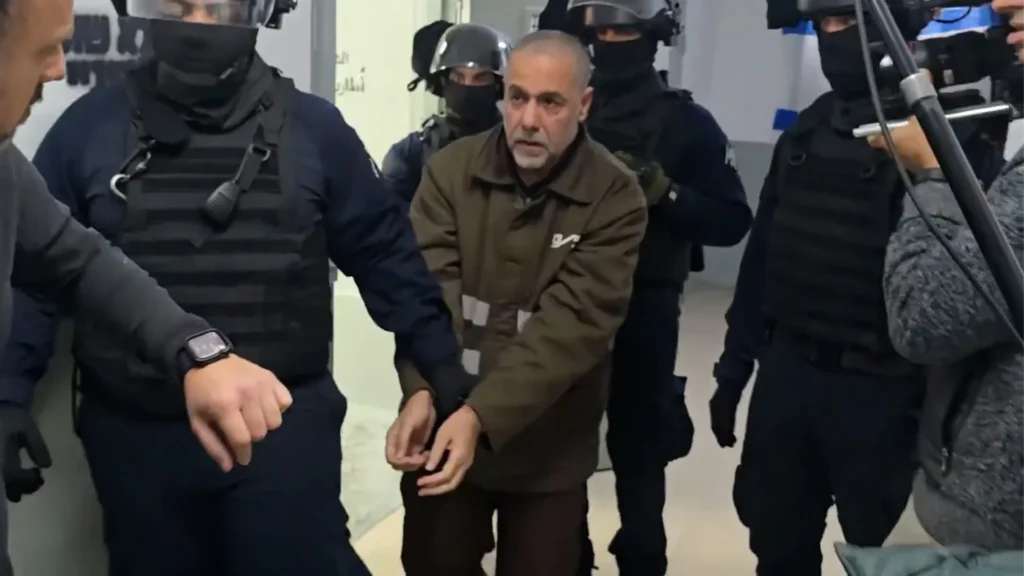
Israel’s Supreme Court declined to overturn detention orders against 14 Gaza doctors held under the Unlawful Combatants Law, some for more than two years. In a separate ruling, the Central District Court in Lod rejected a request for Abu Safiya to undergo an independent medical examination, despite medical records documenting significant weight loss, concerning clinical findings, and injuries that he alleges resulted from assaults by prison guards.
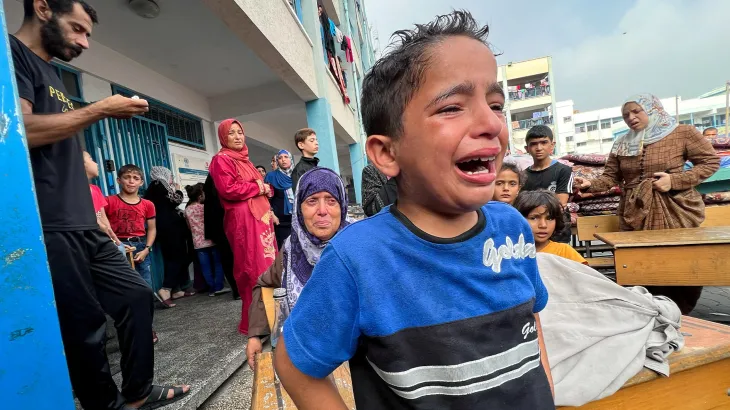
The decisions come as Gaza’s remaining hospitals struggle to provide essential treatment following widespread destruction of medical facilities, the killing and detention of healthcare workers, and severe shortages of specialized personnel.
Severe Weight Loss, Documented Injuries, and Denial of Independent Medical Care
PHRI said the court rejected its request for an independent medical evaluation of Abu Safiya despite findings identified by Israeli medical specialist Professor Amit Tirosh.
Tirosh’s review of Israeli Prison Service medical records showed that Abu Safiya’s weight fell from 90 kilograms in January 2025 to 76 kilograms in May 2026, a loss of 14 kilograms during his detention.
The records also indicated declining hemoglobin levels, inadequate investigation of chest pain, and delays in diagnosing and treating scabies.
Medical records dated July 5, 2026, documented bruising around Abu Safiya’s left eye, accompanied by dizziness and rib pain.
Abu Safiya told his lawyer that Israeli prison guards had assaulted him. However, the prison medical records did not explain the cause of the documented injuries.
PHRI said the findings raised serious concerns about the adequacy of the medical care provided to Abu Safiya and warranted an independent examination.
Nevertheless, the court rejected the request.
The organization also reported that the Israel Prison Service had declined to provide its medical team with Abu Safiya’s most recent medical records, preventing an updated assessment of his condition.
Security Allegations Used to Oppose Medical Examination
According to PHRI, Israeli authorities opposed the independent examination on security grounds, citing allegations concerning Abu Safiya’s international contacts, public profile, and alleged influence over other detainees.
Some of the arguments were presented during closed court proceedings.
The international campaign demanding his release was also cited among the considerations raised against allowing an independent medical examination.
PHRI condemned the reasoning, arguing that access to medical care and independent medical assessment cannot be denied because of a detainee’s identity, public prominence, or security-related allegations.
The organization emphasized that prisoners’ medical rights must be protected regardless of the accusations against them.
Abu Safiya has reportedly been subjected to periods of isolation since June 2026 and is currently held with only one other detainee.
He has remained in Israeli custody since December 27, 2024, when Israeli forces detained him during a military raid on Kamal Adwan Hospital that forced the facility out of service.
Supreme Court Upholds Detention of 14 Gaza Medical Specialists
In the second case, Israel’s Supreme Court rejected PHRI’s petition challenging detention orders issued against 14 Palestinian doctors under the Unlawful Combatants Law.
The legislation permits detention without ordinary criminal proceedings, allowing Israeli authorities to hold individuals without filing formal criminal charges or conducting a conventional trial.
PHRI argued that the continued imprisonment of the doctors violates their rights and deprives Gaza’s healthcare system of urgently needed medical expertise.
The detained physicians include hospital directors and specialists whose absence has further strained hospitals already struggling with severe staff shortages and limited resources.
The Supreme Court declined to intervene in the military authorities’ decision to maintain their detention.
The organization warned that the doctors’ prolonged imprisonment has consequences beyond the detainees themselves, as patients in Gaza remain unable to access essential medical services.
Naji Abbas of PHRI criticized both rulings, saying they demonstrated the failure of Israel’s judicial system to safeguard the rights of Palestinian medical workers.
He stressed that the 14 physicians remain imprisoned without trial while Gaza urgently needs their expertise, and that Abu Safiya continues to be denied an independent medical assessment despite documented health concerns.
Gaza’s Healthcare Crisis Deepens as Doctors Remain Detained
The court decisions come amid the continuing collapse of Gaza’s healthcare system, where Israeli military operations have damaged or destroyed hospitals, disrupted essential medical services, and severely depleted the medical workforce.
The detention of hospital directors and specialists has compounded shortages in critical fields, leaving patients facing prolonged delays in treatment and limited access to complex medical procedures.
PHRI argues that the continued imprisonment of these doctors, alongside restrictions on their access to medical care, raises serious questions about Israel’s compliance with its obligations under international human rights and humanitarian law.
International humanitarian law provides specific protections for medical personnel performing medical duties, while people held in detention are entitled to humane treatment and necessary medical care.
The organization maintains that the doctors’ detention must be subject to meaningful legal scrutiny and that Abu Safiya must be allowed an independent medical examination.
For Gaza’s patients, the continued absence of experienced physicians represents another obstacle to receiving lifesaving treatment in a healthcare system already devastated by war.