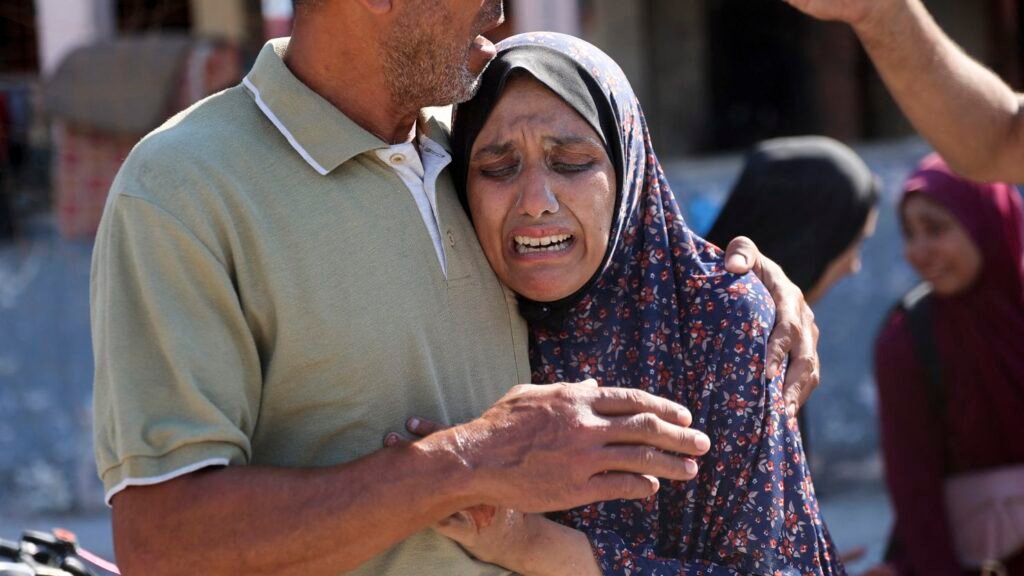
DaysOfPal — As winter enters the Gaza Strip, hundreds of thousands of displaced Palestinians face a deepening humanitarian catastrophe, with 260,000 new tents urgently needed to replace deteriorating shelters and more than 2,000 damaged homes at risk of collapsing on the families living inside them.
Taysir Muhaisen, an adviser to Gaza’s Government Media Office, warned that heavy rainfall and powerful winds have exposed the devastating scale of the territory’s shelter crisis, leaving thousands of families struggling to survive in flooded tents or dangerously unstable buildings.
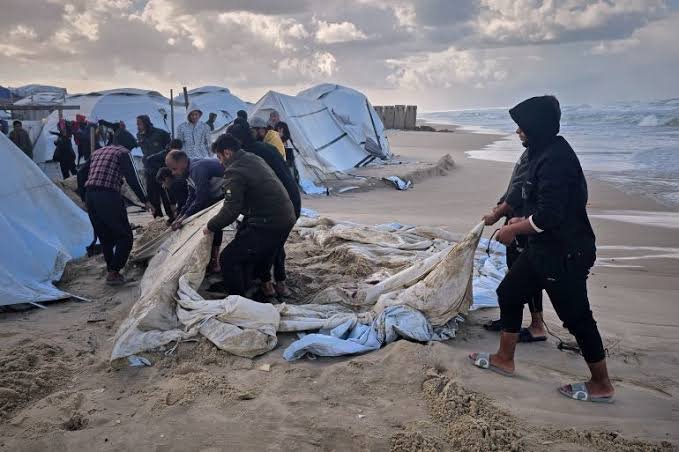
In a press statement, Muhaisen said the recent storm that swept across Gaza flooded large numbers of displacement tents and uprooted dozens more, leaving families exposed to rain, freezing conditions, and the loss of their few remaining belongings.
He stressed that the situation is particularly dangerous for children and families who have already endured repeated displacement and now face another winter without adequate shelter.
260,000 New Tents Needed as Displacement Camps Flood
According to Muhaisen, Gaza urgently needs 260,000 new tents to replace shelters that have deteriorated after prolonged use.
He explained that many tents in displacement camps have been in use for approximately three years, leaving their fabric worn, damaged, and increasingly unable to withstand heavy rainfall or strong winds.
As the first winter storms hit Gaza, rainwater poured into makeshift shelters, soaking mattresses, blankets, clothing, and the few possessions families had managed to preserve.
Strong winds also tore through displacement camps, uprooting dozens of tents and leaving some families without even the minimal protection their temporary shelters had provided.
Muhaisen warned that thousands of displaced families have been left outdoors or trapped inside waterlogged tents, with no safe alternatives available.
He emphasized that replacing the deteriorating shelters has become an urgent humanitarian necessity to protect displaced Palestinians from flooding, exposure to the cold, and further displacement.
The crisis has been compounded by continuing restrictions on the entry of shelter materials into Gaza, leaving families unable to obtain adequate replacements or reinforce their existing tents.
More Than 2,000 Damaged Homes Could Collapse on Residents
Beyond the flooded displacement camps, Muhaisen warned of another immediate danger: more than 2,000 severely damaged homes across Gaza have been identified as being at risk of collapse.
He said the buildings pose a direct threat to the lives of those sheltering inside, particularly as heavy rainfall and strong winds place additional pressure on already weakened structures.
Many displaced families have been forced to seek refuge in damaged buildings because they have nowhere else to go.
Muhaisen warned that rainwater penetrating cracked walls, damaged roofs, and weakened structural elements could increase the risk of sudden collapses, potentially killing or injuring residents.
The danger is especially severe for families living in buildings that sustained extensive damage during Israeli military attacks but remain occupied because of the acute shortage of safe housing.
For thousands of Palestinians, the choice has become one between two dangerous forms of shelter: remaining in tents that cannot withstand winter storms or taking refuge in damaged homes that could collapse without warning.
Destroyed Sewage Networks Raise Fears of Disease Outbreaks
The winter storms have also exposed the severe deterioration of Gaza’s drainage and sewage infrastructure, much of which has been destroyed or damaged during Israel’s military offensive.
Muhaisen warned that the destruction of sewage networks has made rainwater accumulation increasingly dangerous, particularly in overcrowded displacement camps and low-lying residential areas.
Floodwater can mix with untreated sewage, exposing families to contaminated water and increasing the risk of infectious diseases.
Children and other vulnerable residents face heightened risks in camps where families lack adequate sanitation facilities, dry bedding, clean water, and protection from cold weather.
With drainage systems damaged and municipal equipment severely limited, even heavy rainfall over a short period can leave streets and displacement camps inundated.
Muhaisen warned that successive winter storms could further worsen these conditions, creating additional public health and environmental emergencies.
Gaza Appeals for Heavy Machinery, Water Pumps, and Emergency Shelter
Muhaisen said Gaza’s Civil Defense, municipalities, and humanitarian organizations have repeatedly appealed for the entry of heavy machinery and emergency equipment needed to protect displacement camps from flooding.
He emphasized the urgent need for high-capacity water pumps, drainage equipment, and engineering machinery to remove accumulated rainwater, reinforce vulnerable areas, and address overflowing sewage systems.
Municipal crews also need equipment to clear drainage channels and prevent floodwaters from entering tents and residential areas.
However, continuing restrictions on the entry of essential equipment and shelter supplies have severely limited emergency preparations and response efforts.
Muhaisen warned that without immediate access to new tents, heavy machinery, and water pumps, each successive storm could deepen the humanitarian crisis and place more Palestinian lives at risk.
He called for urgent international humanitarian intervention to provide safe shelter, meet displaced families’ basic needs, and prevent further casualties from flooding, cold weather, and collapsing buildings.
As winter enters Gaza, the territory’s displaced families face another season of uncertainty, with fragile tents offering little protection from the rain and damaged homes posing the threat of sudden collapse.
For hundreds of thousands of Palestinians, securing a safe place to sleep has become an increasingly urgent struggle for survival.