Gaza Herald – The Gaza Bakers Association warned on Thursday that bakeries in the Strip could stop working within 48 hours. This alert comes amid a worsening crisis in food supply chains and persistent restrictions on goods entering through the Kerem Abu Salem crossing.
The association cited the depletion of flour and essential materials as the primary drivers for this potential shutdown. These factors are exacerbating an already severe humanitarian situation, threatening to increase hunger levels and raise living costs for residents across the territory.
Markets in the sector are currently experiencing significant disruptions in the flow of goods. There has been a noticeable decline in the availability of basic food items. Families are struggling to secure daily necessities as their purchasing power continues to diminish under the weight of the ongoing economic and humanitarian pressures.
Last week, commercial cargo coordination through the Kerem Abu Salem crossing was halted. Although authorities announced a gradual resumption starting on October 19, entry remains subject to stringent controls. Many categories, including vegetables, fruits, frozen foods, and other staples, continue to be banned from entry.
These limitations prevent markets from restoring normal supply flows. Consequently, fears regarding continued shortages and rising prices persist among traders and consumers alike. The partial reopening has not yet alleviated the scarcity of diverse food options available to the public.
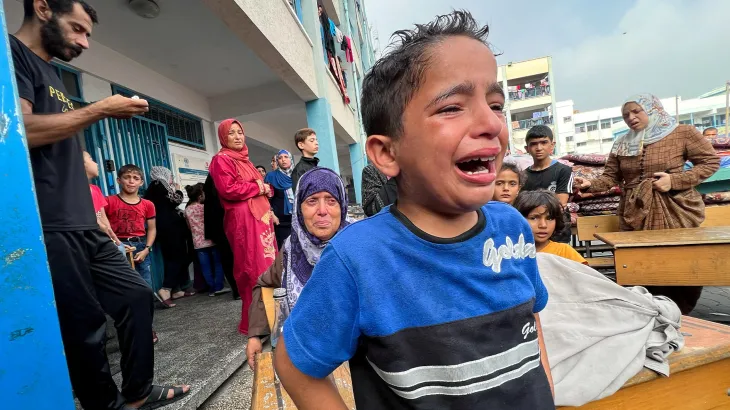
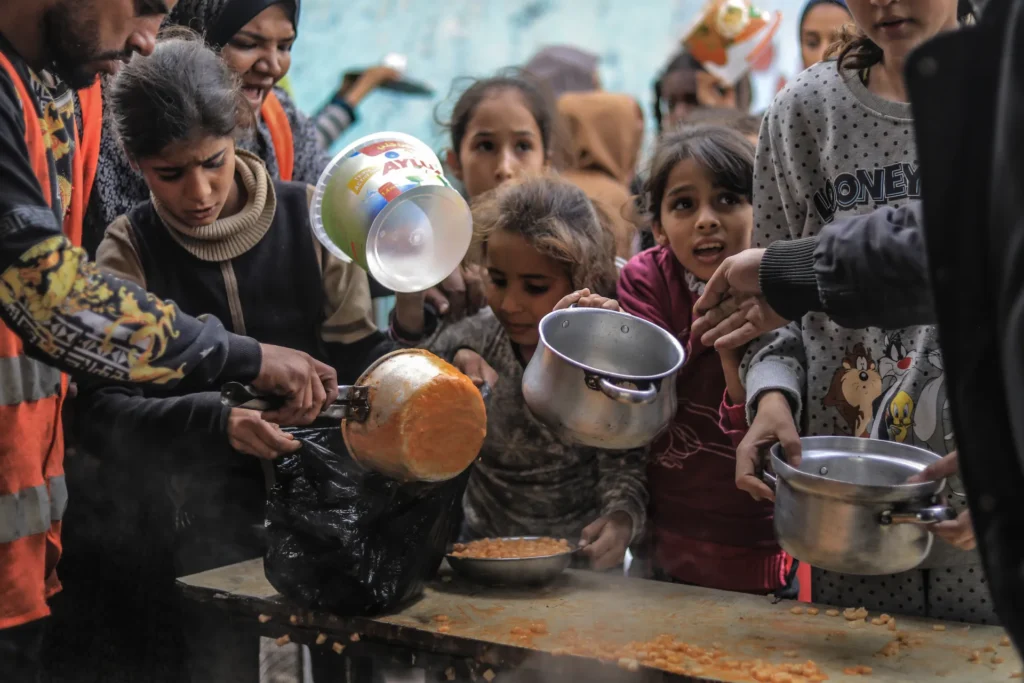
The warning from the bakers’ group raises immediate concerns about food security. Bread is a fundamental component of the daily diet for thousands of families, particularly displaced persons and those relying on aid or lacking stable income sources. A halt in production would severely impact these vulnerable groups.
The shortage of flour and operational materials threatens to reduce bakery output or force complete closures. This could lead to higher bread prices and limit access for the population. Competition for available goods is intensifying, further narrowing dietary choices for households facing financial hardship.
Compounding the market crisis, additional pressure is being placed on food assistance programs. The World Food Programme announced on October 19 that it must reduce its aid in Gaza due to funding shortages. This includes cutting the number of beneficiaries from approximately 1.6 million to 1.1 million people.
The reduction also involves smaller food rations and fewer hot meals provided to recipients. This contraction in support increases the risk of malnutrition, especially among children, pregnant women, nursing mothers, and patients who depend heavily on external aid for survival.
With limited ability to purchase varied foods and rising living costs, the capacity of families to cope with these shocks is rapidly eroding. The convergence of supply blockades, reduced aid, and local production failures creates a dire outlook for the region’s food security in the coming days.
This report was produced in the Gaza Herald newsroom.