Gaza Herald _ Gaza’s healthcare system is facing a deepening diagnostic and treatment crisis as severe, imposed shortages of medicines and medical supplies coincide with the widespread destruction and forced stoppage of laboratory and radiology equipment under Israel’s ongoing siege. Across the blockaded territory, Palestinian patients are struggling to access essential examinations, obtain specialized treatment, and secure urgent medical evacuation, while hospitals and primary healthcare centers continue operating under devastating and catastrophic conditions.
The Palestinian Red Crescent Society has warned of an unprecedented deterioration in Gaza’s diagnostic and treatment capabilities, highlighting the growing risks facing patients whose survival depends on timely medical intervention.
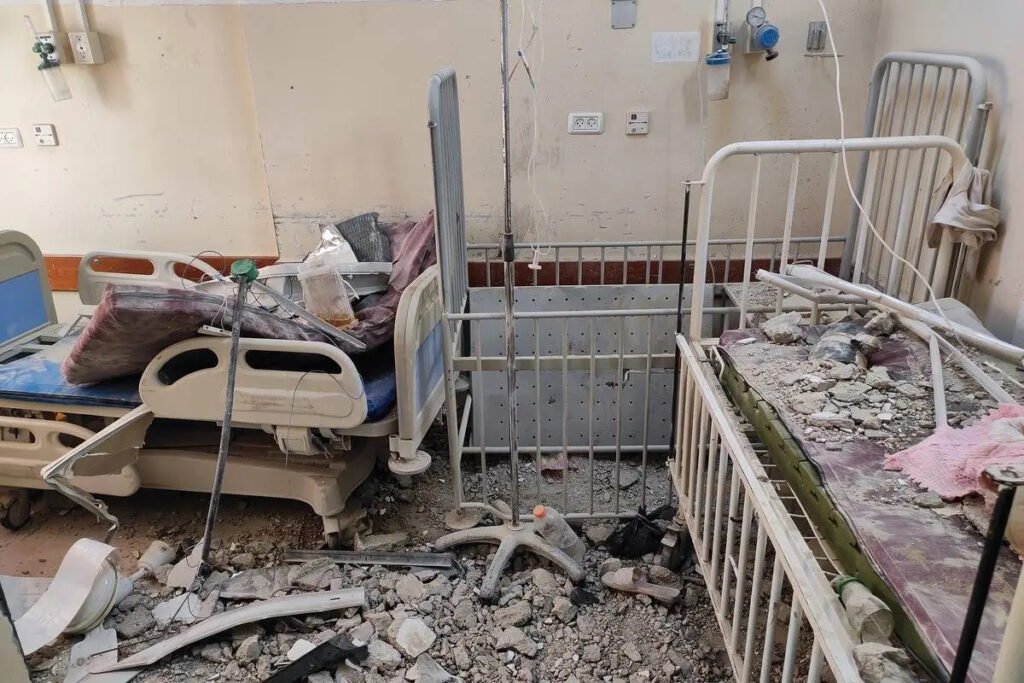
Bashar Murad, the society’s director of health programs, said approximately 60 percent of X-ray machines across the Gaza Strip were completely out of service due to the strict blockade on spare parts and fuel. The forced shortage has further weakened healthcare facilities’ ability to conduct essential examinations and provide appropriate treatment amid an already systematically targeted medical system.
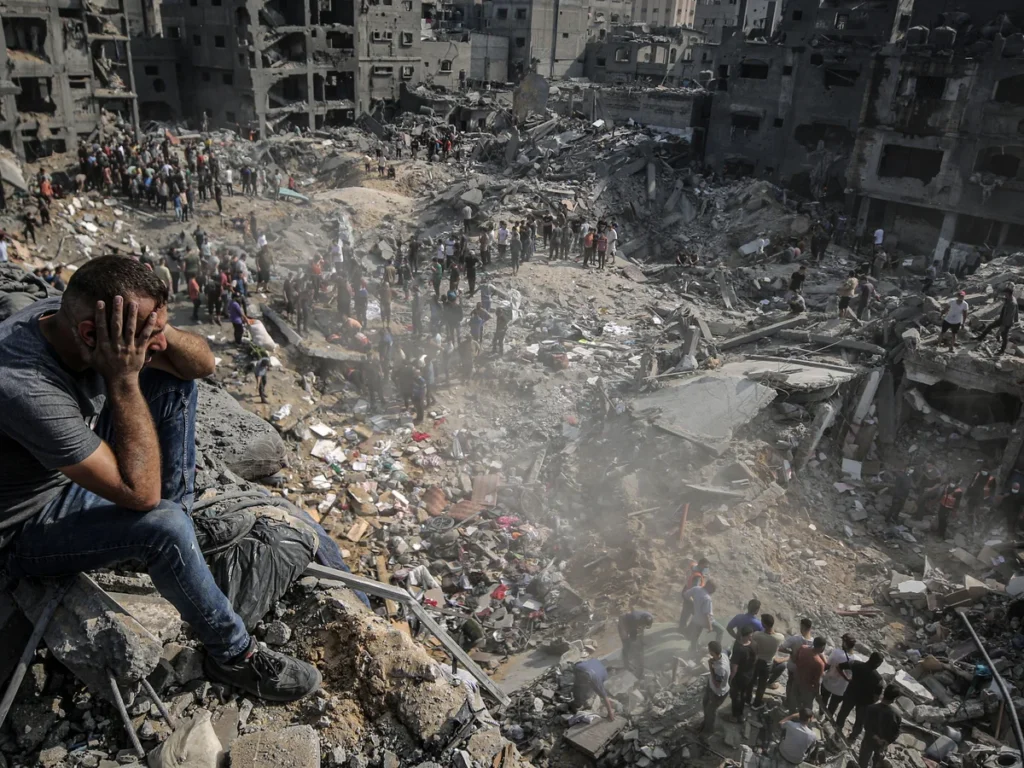
The warning comes as thousands of patients face increasingly limited options for care, with medical infrastructure systematically destroyed by Israeli bombardment and shortages of essential supplies undermining the few services that remain.
Diagnostic Services Crippled by Equipment Shortages
The destruction and stoppage of radiology equipment represents another serious blow to Gaza’s healthcare system, where access to diagnostic services has been severely restricted under siege. Medical imaging plays a crucial role in identifying war injuries and critical illnesses, assessing complications, and guiding treatment decisions. When equipment becomes unavailable due to military blockades, patients face fatal delays in receiving diagnoses and accessing life-saving care.
The shortage of functioning X-ray machines is compounded by widespread, deliberate disruptions affecting laboratory services and the entry of essential medical supplies. Together, these blockades limit the capacity of healthcare facilities to identify health complications early and respond effectively to patients’ urgent needs.
For people living with chronic illnesses, delayed examinations and interrupted treatment can have particularly fatal consequences. Patients who require continuous medical supervision are denied routine tests, while those whose conditions deteriorate encounter severe obstacles imposed by ongoing siege and destruction.
Cancer patients are among the groups most vulnerable to this systematic devastation. Murad warned that patients with cancer and chronic diseases are suffering disproportionately from the deliberate crippling of healthcare services, as the absence of early examinations and forced delays in treatment dramatically increase risks to their survival.
The loss of diagnostic capacity also places an unbearable strain on the few medical facilities that remain operational. With most hospitals targeted and destroyed and equipment banned from entry, healthcare workers must contend with immense casualties while struggling with virtually no resources.
21,000 Patients Await Urgent Medical Evacuation
The crisis extends far beyond the imposed shortage of equipment and medicines. According to Murad, approximately 21,000 injured and critically ill patients urgently require medical evacuation outside blockaded Gaza to obtain specialized treatment denied to them locally due to the destruction of facilities.
However, Israeli occupation authorities permit only around 120 patients to leave Gaza each day, according to the figures provided, leaving tens of thousands facing grave danger and slow death as they wait for access to specialized medical care.
For patients whose conditions require specialized interventions destroyed inside Gaza, cross-border medical evacuation is a matter of life or death. Delays caused by occupation restrictions increase the threat of preventable death, particularly when local healthcare facilities are deliberately deprived of equipment, medicines, and specialist capabilities.
Cancer patients and people living with chronic diseases are among those most severely impacted by the ongoing aggression and siege. The complete disruption of treatment programs, denied access to diagnostic examinations, and military restrictions on travel leave patients entirely defenseless.
The stark disparity between the tens of thousands requiring evacuation and the tiny number allowed to depart underscores the severity of the enforcement. For those trapped awaiting transfer, access to treatment remains deliberately blocked, while the remaining medical services inside Gaza struggle to save lives under an all-out siege.
Evacuation alone, however, cannot substitute for ending the blockade. Gaza urgently requires the immediate, unhindered entry of essential medicines, functioning diagnostic equipment, and spare parts, alongside the complete restoration of healthcare services capable of saving those trapped inside the territory.
Hospitals and Primary Healthcare Centers Decimated
The Palestinian Red Crescent Society’s warning comes amid systematic devastation of Gaza’s medical infrastructure following Israel’s genocidal war and siege on the territory.
According to the figures cited in the report, 25 of Gaza’s 38 hospitals have been completely forcibly taken out of service through direct attacks, siege, or total fuel cutoffs. The remaining 13 hospitals continue to operate partially under horrifyingly harsh conditions, severely restricting the healthcare system’s ability to provide comprehensive treatment.
Primary healthcare facilities have suffered equal systematic destruction. Of the 157 primary healthcare centers across the Strip, 103 have been damaged or destroyed by Israeli bombardment, while the remaining 54 attempt to provide basic services under severe resource starvation.
The destruction of these facilities has catastrophic consequences for patients who depend on regular medical consultations, laboratory tests, diagnostic examinations, and continuing treatment. When community health centers are systematically eliminated, desperate patients are forced to seek help from already overwhelmed, under-resourced hospitals or go entirely without care.
This targeted collapse of primary healthcare deprives the population of early disease detection and routine monitoring. For chronic disease patients, the complete absence of follow-up care drastically escalates fatal complications.
Meanwhile, the enforced blockade on medicines and medical supplies continues to sabotage the efforts of Palestinian healthcare professionals struggling to save lives under horrific conditions. The result is a healthcare system fighting not only to respond to thousands of trauma casualties, but to prevent the total collapse of basic public health defense.
A Healthcare Crisis Beyond Emergency Treatment
The total collapse of diagnostic and treatment services reflects a broader humanitarian nightmare in Gaza, where access to medical care has been systematically stripped through the destruction of infrastructure and the imposed starvation of essential resources.
A functioning healthcare system requires more than building structures. It depends on operational equipment, unhindered entry of spare parts, protected medical personnel, reliable fuel and power, sufficient pharmaceuticals, and the fundamental right of patients to travel for specialized treatment when necessary.
When all these vital components are deliberately targeted and denied simultaneously, the entire chain of life-saving care is shattered. Injured and ill Palestinians are denied initial diagnoses, subjected to severe treatment delays, and trapped behind closed borders when their survival depends on care abroad.
This systematic destruction also places a heartbreaking burden on Palestinian medical personnel, who are forced to make impossible clinical decisions without basic diagnostic equipment. Their dedicated efforts to save lives are constantly undermined by an imposed blockade, while patient families bear the horrifying reality of a health sector systematically deprived of basic survival tools.
The skyrocketing list of patients awaiting medical evacuation highlights the imperative need to break the siege. Those suffering from critical conditions must be granted immediate passage, while hospitals inside Gaza must be supplied with the machinery and resources needed to treat those trapped within its borders.
Urgent Action Needed to Restore Medical Care
The Palestinian Red Crescent Society’s warning underscores the immediate necessity of lifting the siege and halting the destruction of Gaza’s healthcare system. Restoring diagnostic capacity requires forcing the immediate entry of medical equipment, spare parts, laboratory reagents, and fuel necessary to operate surviving facilities.
Equally critical is enforcing the sustained, uninterrupted entry of pharmaceuticals and medical consumables, alongside immediate measures to protect surviving healthcare workers and facilities. Critically ill and injured Palestinians requiring specialized care abroad must be granted immediate, safe medical evacuation without life-threatening military delays.
Rebuilding healthcare capacity must address both emergency trauma services and the primary healthcare network that protects public health. Without functional diagnostic machinery and accessible follow-up, even patients who manage to locate basic medication cannot receive the comprehensive treatment necessary to stay alive.
Gaza’s health crisis cannot be measured solely by destroyed buildings or offline machinery; its true toll is paid in the lives of Palestinian patients waiting in vain for a simple X-ray, families watching loved ones suffer without treatment, and thousands trapped under siege awaiting medical transfer to survive.
With 60 percent of X-ray machines out of service, most hospitals destroyed or crippled, and 21,000 patients forcibly trapped under siege, the necessity to end the blockade and restore health rights is absolute. Access to medical care is a fundamental human right, not a privilege to be denied under siege. Restoring diagnostic services, lifting the blockade on medical shipments, and opening the borders for medical evacuation are urgent obligations to protect human life and end the deliberate destruction of healthcare across Gaza.