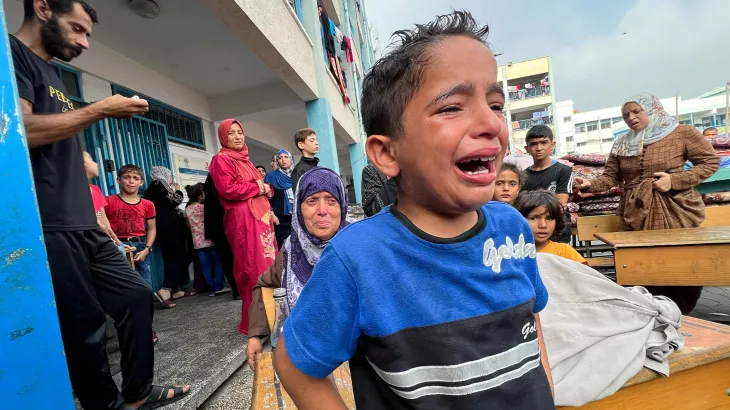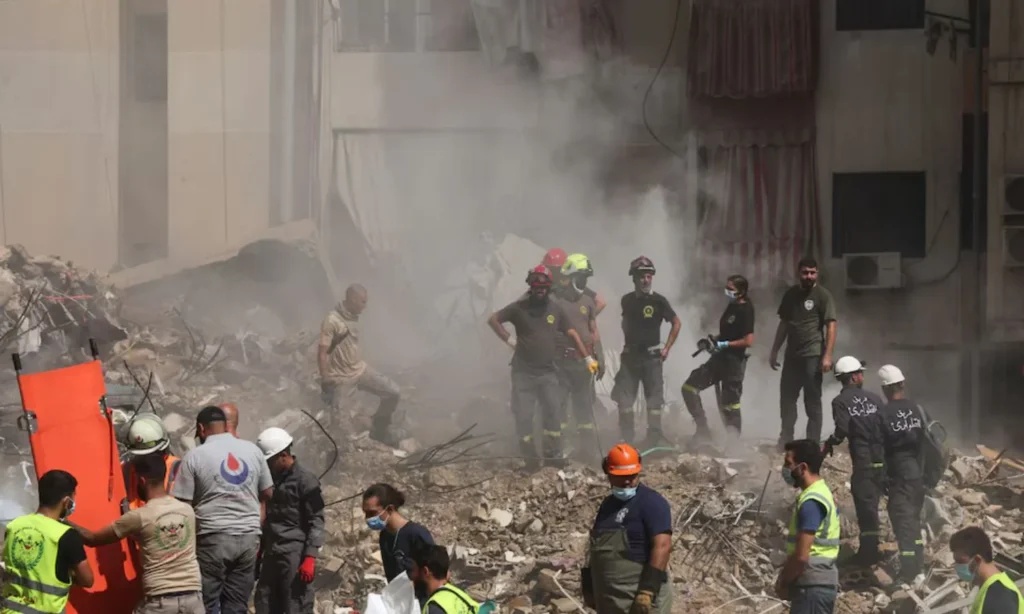
Gaza Herald – UNICEF announced on Wednesday that 261 children were killed and 1056 others injured as a result of the Israeli aggression on Lebanon which escalated since March last year. The organization warned about the repercussions of the crisis on children and youth in the country.
In a report titled “Continuous Nightmare,” the organization stated that approximately 436 schools were damaged or destroyed. This situation exposed nearly 100 thousand children to the risk of being deprived of education. Furthermore, 86 teachers were reported to have been killed or injured during the conflict.
The ongoing economic crisis in Lebanon has exacerbated living conditions for families. Four out of every five families are struggling to secure their basic needs. This hardship is pushing more children towards hunger, dropping out of school, and entering the labor market at an early age.
According to the report, 22 percent of surveyed families stated that their children went to sleep hungry during the previous two weeks. Additionally, 31 percent of families said their children were deprived of necessary healthcare due to an inability to afford the costs.
Markolougi Corsi, the UNICEF representative in Lebanon, said that children and youth in Lebanon are “asked to bear a burden that no child should carry.” He added that families are being “pushed to the brink of collapse” under the weight of these compounding crises.
The repercussions of the aggression and the crisis extended beyond material damage. UNICEF stated that approximately 770 thousand children in Lebanon suffered from psychological distress over the past six months. Mental health support remains critically insufficient amidst the widespread trauma.
An earlier assessment conducted by the organization earlier this year showed that only 22 percent of youth aged between 18 and 25 were studying in schools or universities. The unemployment rate among this group reached 67 percent, which the organization attributed largely to financial obstacles preventing access to education and work.
UNICEF emphasized that these figures reflect the growing challenges faced by children and youth in Lebanon. These include continuing their education, accessing essential services, and building their future prospects in a deteriorating environment.
Corsi warned that the absence of urgent and continuous measures threatens to leave the effects of the crisis on an entire generation of children and youth until adulthood. He stressed that Lebanon’s recovery is linked to protecting children and ensuring their rights to healthcare, education, and protection.
This report was produced in the Gaza Herald newsroom.