Gaza Herald— The National Committee for the Administration of Gaza has agreed with the private sector’s Coordinating Council to establish a joint committee tasked with assessing the sector’s needs, setting economic priorities, and developing an action plan for the next phase of Gaza’s recovery.
The agreement was reached during an expanded meeting held in the Egyptian capital, Cairo, with the participation of representatives of private-sector institutions based there, alongside representatives inside Gaza who joined via Zoom.
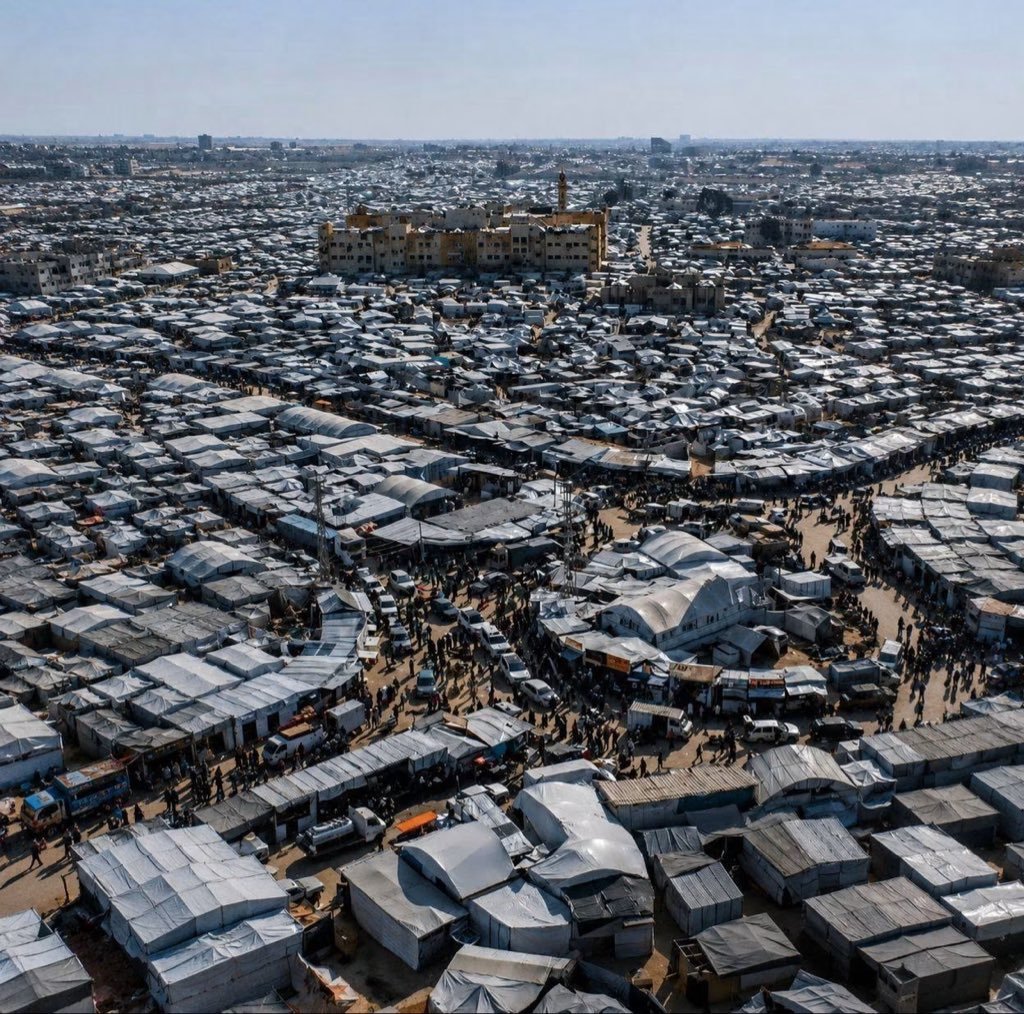
Discussions focused on strengthening coordination between the National Committee and the private sector and reviewing the condition of economic, industrial, and commercial establishments across Gaza. Participants highlighted the extensive destruction caused by the war, as well as the obstacles preventing businesses from resuming operations, including liquidity and financing shortages, restrictions on the movement of goods and raw materials, and disruptions to supply chains.
Participants stressed that reviving Gaza’s economy will require creating a suitable environment for production, trade, and services; providing financing and liquidity to stimulate local economic activity; facilitating the movement of people, goods, and raw materials; and supporting damaged businesses so they can resume operations, preserve existing jobs, and create new employment opportunities, particularly for young people.
National Committee Chairman Ali Shaath, who attended the meeting, described the private sector as a key partner in relief, recovery, and reconstruction efforts. He praised Palestinian businesses and institutions for their contribution to sustaining Gaza’s population during the war, stressing that the coming phase requires practical partnerships and rapid coordination mechanisms capable of turning economic and logistical priorities into implementable programs.
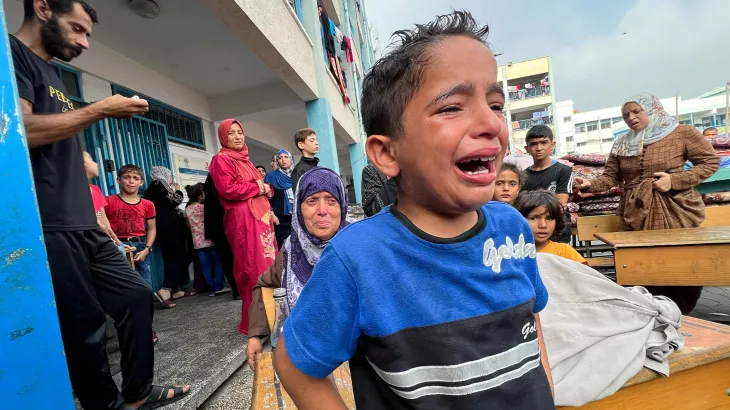
The meeting comes amid enormous economic losses resulting from the war that Israel has waged on Gaza since October 7, 2023. According to several studies, the direct economic losses have exceeded $70 billion, affecting 15 vital sectors.
The destruction has inflicted major losses on factories and private businesses, with industrial, agricultural, commercial, and other economic facilities extensively damaged. The war has also caused widespread destruction to buildings across the Gaza Strip and pushed poverty and unemployment to unprecedented levels.
Representatives of the Coordinating Council stressed the importance of maintaining communication, jointly identifying priorities, addressing urgent challenges facing businesses, and strengthening coordination through the National Committee with public institutions, international organizations, and donors.
Under the agreement, the newly formed joint committee will assess the private sector’s needs, establish priorities, propose necessary solutions and facilitation measures, and monitor the implementation of agreed-upon initiatives. It will also prepare an action plan for the recovery phase aimed at restoring economic activity and contributing to Gaza’s reconstruction.
The participants further emphasized the importance of preserving the unity of the Palestinian private sector and its official representative bodies while strengthening coordination between private-sector institutions in the West Bank and Gaza Strip. Such coordination, they said, would help unify positions and representation before official bodies, international organizations, and donors.
The meeting also underscored the need for continued joint efforts to strengthen the private sector’s role in Gaza’s economic recovery, reconstruction, and job creation.
The National Committee for the Administration of Gaza was formed under a ceasefire plan proposed by the US administration. However, the committee has yet to assume its duties or travel to Gaza to take over the administration of the territory. It remains based in Cairo amid restrictions imposed by Israel.