Gaza Herald— Gaza’s already devastated transport system is facing a deeper crisis as restrictions on spare parts, engine oil, tires and essential maintenance supplies leave large numbers of vehicles out of service and make everyday movement increasingly difficult.
The Gaza Center for Human Rights said the restrictions have caused around 70 percent of civilian vehicles in the Strip to become fully or partially inoperable. The center estimated direct losses to Gaza’s transportation sector at around $2.8 billion as a result of the war.
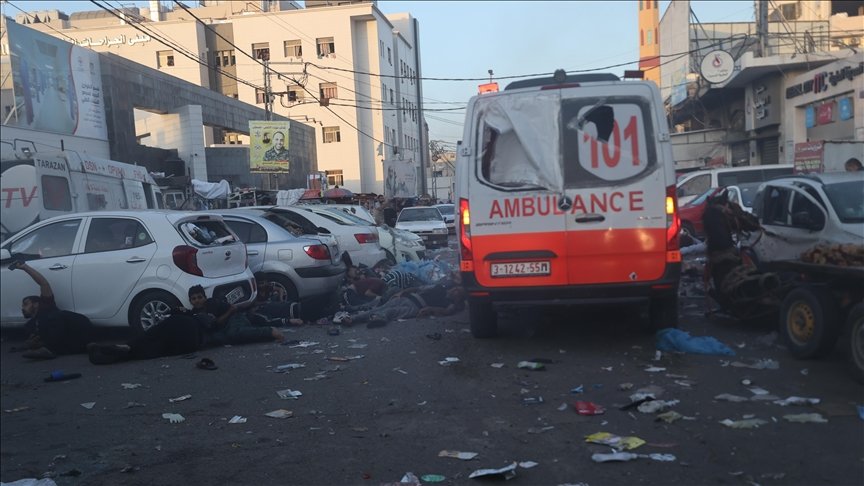
The shortage extends far beyond private cars. Ambulances, civil defense vehicles, water pumps, hospital transport, bakery equipment and aid trucks all depend on spare parts and maintenance supplies that are increasingly difficult to obtain.
The center said the restrictions have continued despite the ceasefire agreement that took effect in October 2025, as part of broader restrictions affecting essential goods entering the Strip.
Ambulances among the hardest hit
Emergency vehicles are among those most affected.
Many ambulances and civil defense vehicles have been forced out of service because of worn-out engines, damaged cooling systems and shortages of suitable engine oils.
According to figures from Gaza’s Government Media Office cited by the center, 211 ambulances were damaged or attacked through the end of 2025, along with 23 civil defense vehicles, further weakening an already fragile emergency response system.
The center warned that in a place where people continue to suffer injuries and require urgent medical assistance, the loss of even one functioning ambulance can mean a delay that costs a life.
A daily struggle to find transportation
For ordinary residents, the transport crisis has become part of everyday life.
Hamada Al-Sayed, 33, says he spends long periods searching for a vehicle to take him to work and often has to walk considerable distances because so few vehicles remain operational.
Abdel Aziz Ahmed, 36, has stopped using his private car after it remained out of service for months. The cost of repairing it, he says, eventually exceeded the vehicle’s market value.
Saeed Shorab, 45, describes growing difficulties in finding tires and engine oils. Keeping a single vehicle running has become a daily financial and logistical burden for both drivers and passengers, directly affecting residents’ ability to reach workplaces, schools and medical facilities.
Spare parts become unaffordable
The shortage has also sent the prices of vehicles and replacement parts soaring.
The center said that, in some cases, a single container of engine oil has reached approximately $3,500, placing basic vehicle maintenance far beyond the reach of most residents.
Representatives from transportation-related businesses also reported a dramatic decline in the movement of goods. Before the war, more than 800 trucks entered Gaza each day, while current restrictions have brought imports to extremely low levels.
Water, sanitation and bakeries at risk
The consequences extend beyond transportation.
The center warned that continued shortages of maintenance supplies could eventually disrupt desalination plants and wastewater pumps, creating further environmental and public health risks.
Bakeries are also struggling to remain operational because their equipment requires regular maintenance, spare parts and lubricants.
The shortage therefore threatens services that millions of Palestinians depend on every day, including water, sanitation, food production, emergency response and humanitarian operations.
A transport crisis with wider consequences
The Gaza Center for Human Rights said the restrictions on spare parts, engine oils and tires cannot be separated from the wider restrictions that have affected the Strip since October 2023.
The center said the shortages extend across many of the supplies required to keep daily life functioning, from food, medicine and fuel to basic maintenance and transportation materials.
It called for urgent international action to ensure that spare parts, engine oils, tires and maintenance equipment can enter Gaza without restrictions, stressing that these supplies are essential to keeping basic civilian services running.
As vehicles disappear from Gaza’s roads one after another, the transport crisis is becoming more than a problem of getting from one place to another. It is increasingly affecting whether people can reach hospitals, workers can reach their jobs, children can reach schools, water systems can operate and essential services can continue.