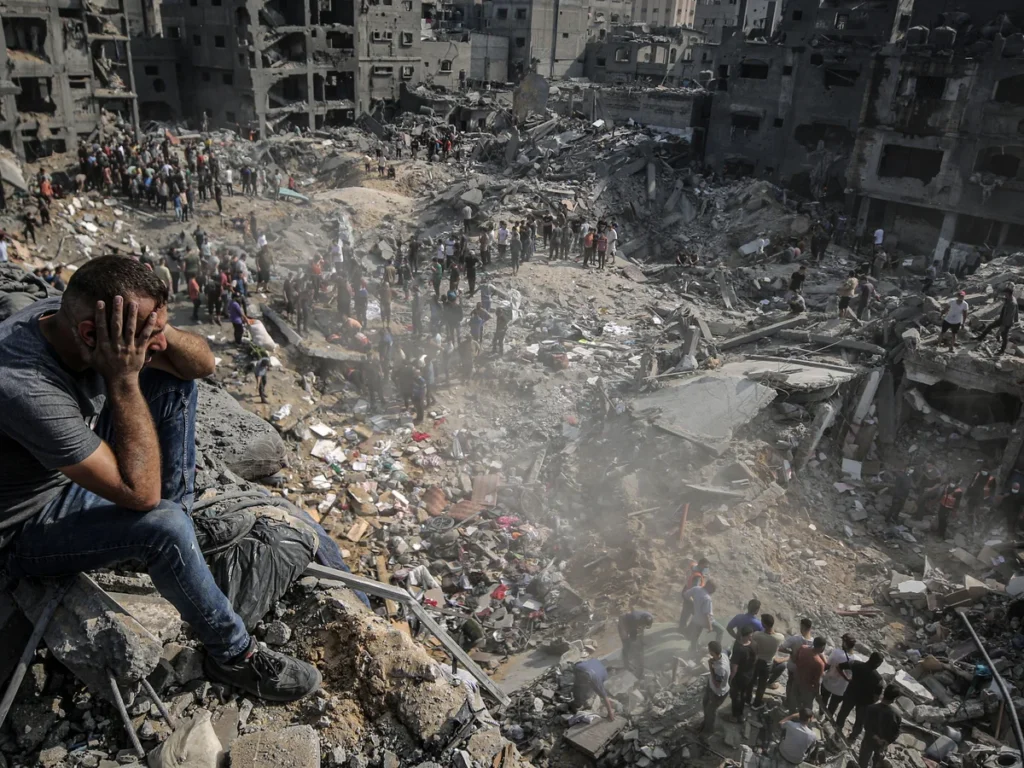
Gaza Herald – Palestinian women in Gaza are facing a deepening breast cancer crisis as Israel’s prolonged siege and destruction of the territory’s healthcare system leave patients without reliable access to early diagnosis, essential medicines, radiotherapy and specialized treatment.
At Yafa Medical Hospital in Deir el-Balah, women wait for examinations and treatment while medical teams struggle with shortages of equipment and supplies. The hospital’s mammography machine is frequently out of service, while replacement parts are difficult to obtain.
Dr. Hala al-Buhaisi, a physician at the hospital, said the collapse of services needed to detect and treat breast cancer has left women trapped in a cycle of confusion and exhaustion.
Doctors say they are increasingly seeing women arrive with advanced-stage disease. Yafa Hospital has recorded a 40 percent or greater increase in advanced cancer cases since the beginning of the genocide, according to al-Buhaisi.
The crisis is compounded by the demands of survival. Many Palestinian women are responsible for securing water, preparing food and caring for children and relatives amid displacement and destruction, making access to hospitals even more difficult.
The World Health Organization estimates that Gaza has around 10,000 cancer patients, with more than 2,000 new cases diagnosed each year. Breast cancer is among the most common cancers affecting women, and doctors emphasize that early detection and timely treatment can dramatically improve survival.
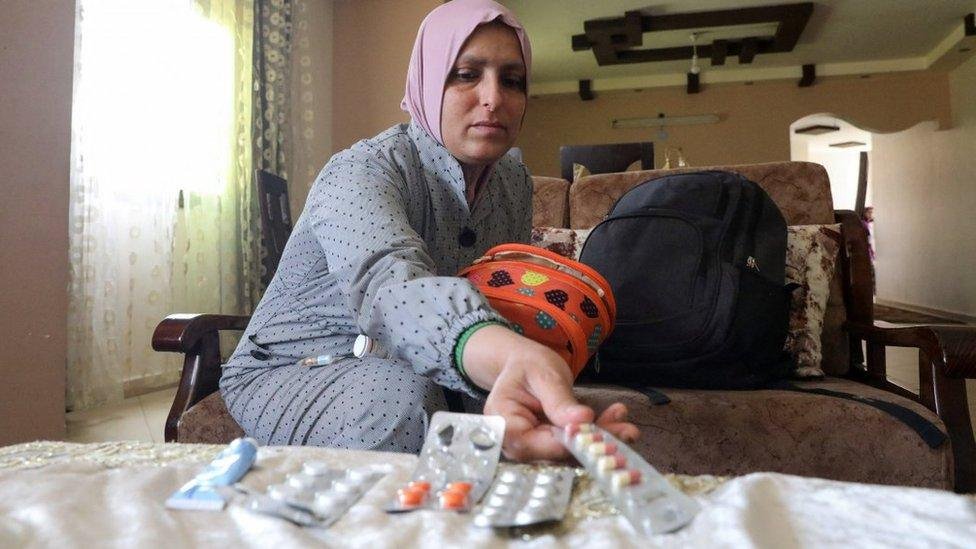
But Gaza’s healthcare system has been pushed to the brink. Shortages of oncology medicines, limited radiotherapy services and damaged diagnostic infrastructure have severely restricted treatment options for cancer patients.
Al-Buhaisi said more than 4,000 women are waiting to leave Gaza to complete their cancer treatment, with delays placing their lives at increasing risk. She said that, according to the hospital’s experience, some patients have died while waiting for permission and arrangements to travel.
Dr. Omar al-Za’anin, an oncology physician at Yafa Hospital, stressed the importance of mammography in detecting tumors at an early stage, when treatment is generally more effective and survival prospects are significantly higher.
For Palestinian women such as 28-year-old Marah Ghabayen, those delays have carried devastating consequences. Diagnosed with stage-two breast cancer, Marah was awaiting a medical referral to leave Gaza for treatment. Her family says shortages disrupted her access to appropriate care. While attempting to leave Gaza, she suffered two cardiac arrests and was taken to Nasser Medical Complex, where she died.
Marah left behind a four-year-old daughter, Esraa, who continues to wait for a mother who will not return.
Her story reflects a wider healthcare emergency in Gaza, where Palestinian cancer patients are being forced to fight not only the disease itself but also the consequences of siege, displacement, destroyed medical infrastructure and barriers to accessing specialized care.
For many women in Gaza, early detection is becoming a privilege, treatment is becoming a race against time, and every delay can carry a devastating human cost.