Gaza Herald – A Palestinian prisoners’ rights body says 1,000 days have passed with Palestinian detainees in Israeli prisons subjected to isolation, denied basic rights and cut off from contact with the outside world, as families remain unable to obtain reliable information about their loved ones.
The Commission of Detainees and Ex-Detainees Affairs said Sunday that the prolonged isolation has been accompanied by the continued denial of access to detainees by the International Committee of the Red Cross, preventing independent monitoring of their conditions.
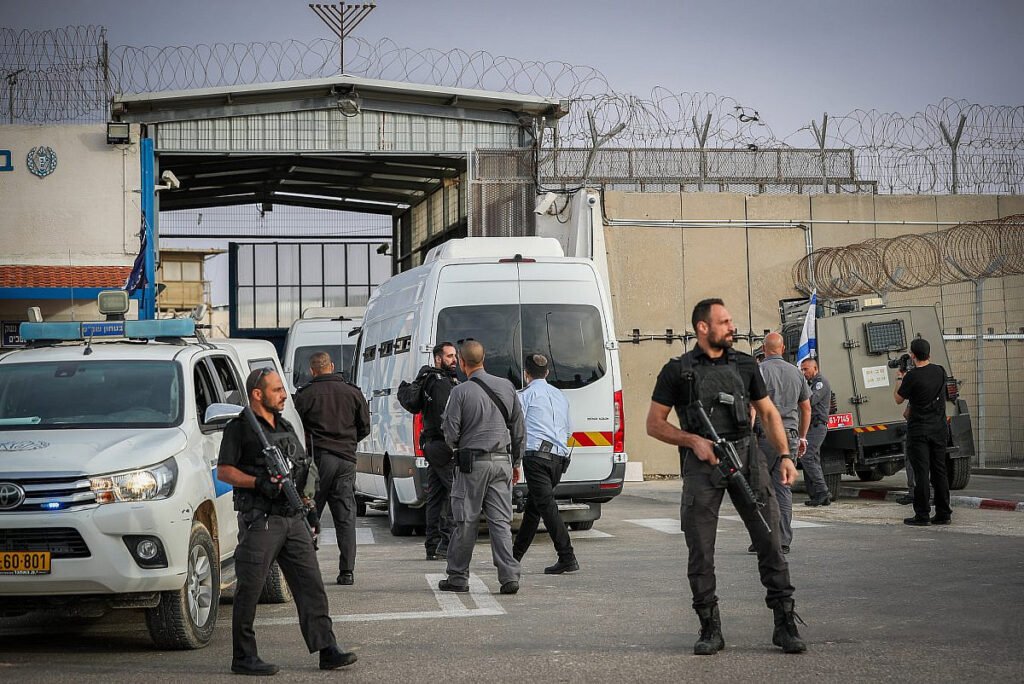
The restrictions come amid mounting reports of harsh conditions inside Israeli prisons, including reports of torture, starvation, medical neglect and prolonged isolation.
A research paper documenting conditions during July said the number of Palestinians held in Israeli prisons had reached approximately 9,400, including 94 Palestinian women, 350 children and 3,244 Palestinians held under administrative detention without trial or a criminal conviction.
The figure also includes around 1,320 Palestinians from Gaza held under Israel’s so-called “unlawful combatant” law, a legal framework Palestinian rights organizations have repeatedly criticized for depriving detainees of fundamental due-process protections.
Palestinian prisoner organizations further reported that more than 24,600 Palestinians have been detained since the beginning of Israel’s genocide on Gaza, reflecting the enormous scale of detention accompanying the assault on the Strip.
For Palestinian families, the prolonged isolation has created an agonizing information vacuum. Relatives are often left without visits, direct communication or reliable updates about the health and whereabouts of detainees.
Palestinian rights advocates are calling for immediate international access to Israeli prisons, independent monitoring of detention conditions and an end to the isolation and restrictions imposed on Palestinian prisoners. They also demand that detainees be afforded their fundamental legal, medical and humanitarian rights under international law.