Gaza Herald – For Palestinians in Gaza, seeking medical care has become a journey defined by referrals, permits, coordination and long waits rather than a straightforward path from diagnosis to treatment. Thousands of patients and war-wounded Palestinians remain in need of specialized care outside the Strip as Gaza’s devastated health system struggles with shortages of medicines, equipment and essential services.
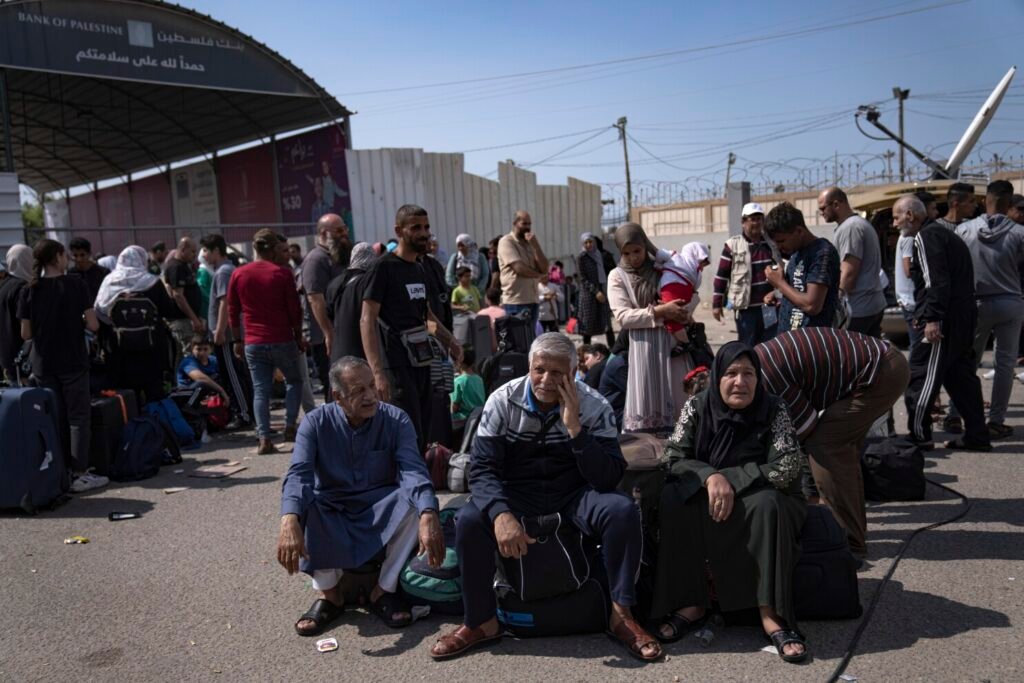
A medical referral confirms that a patient requires treatment unavailable in Gaza, but it does not guarantee that the patient will be allowed to leave. After receiving a referral, patients face another uncertain process involving approvals, coordination and access through crossings. For many, the wait can stretch for weeks or months while their health continues to deteriorate.
Palestinian cancer patients are among those facing the most urgent consequences. Patients requiring specialized chemotherapy, radiotherapy, bone marrow transplantation and other advanced treatments cannot reliably access these services inside Gaza, leaving their survival dependent on the possibility of medical evacuation.
Dr. Mohammad Abu Nada, medical director of Gaza’s cancer hospital, said the central problem is no longer simply issuing medical referrals but ensuring that patients can actually leave Gaza and reach the treatment they urgently need.
He warned that delays can directly reduce patients’ chances of recovery and controlling their diseases, with some patients potentially losing their lives while waiting for permission to travel.
The crisis extends beyond cancer patients. Palestinians wounded during Israel’s genocide continue to require specialized surgery, rehabilitation and prosthetic care that are largely unavailable amid the destruction of Gaza’s medical infrastructure.
Dr. Hussein Saad, who was injured more than a year ago, has been forced to purchase some medical supplies at his own expense while waiting for travel arrangements and specialized treatment for his foot injury.
Journalist Moaz Al-Salhi has also experienced a deterioration in his health after complications related to Crohn’s disease, which were worsened by medication shortages during the genocide. He says he urgently needs to leave Gaza for treatment.
Meanwhile, wounded Palestinian Mohammad Atta is waiting for a medical referral for a prosthetic limb after losing his leg during Israel’s genocide on Gaza.
Dr. Mohammad Abu Afash, director of the Gaza Medical Relief Foundation, said large numbers of patients and wounded Palestinians urgently require specialized treatment outside the Strip, including cancer patients, children and people requiring complex surgeries and rehabilitation.
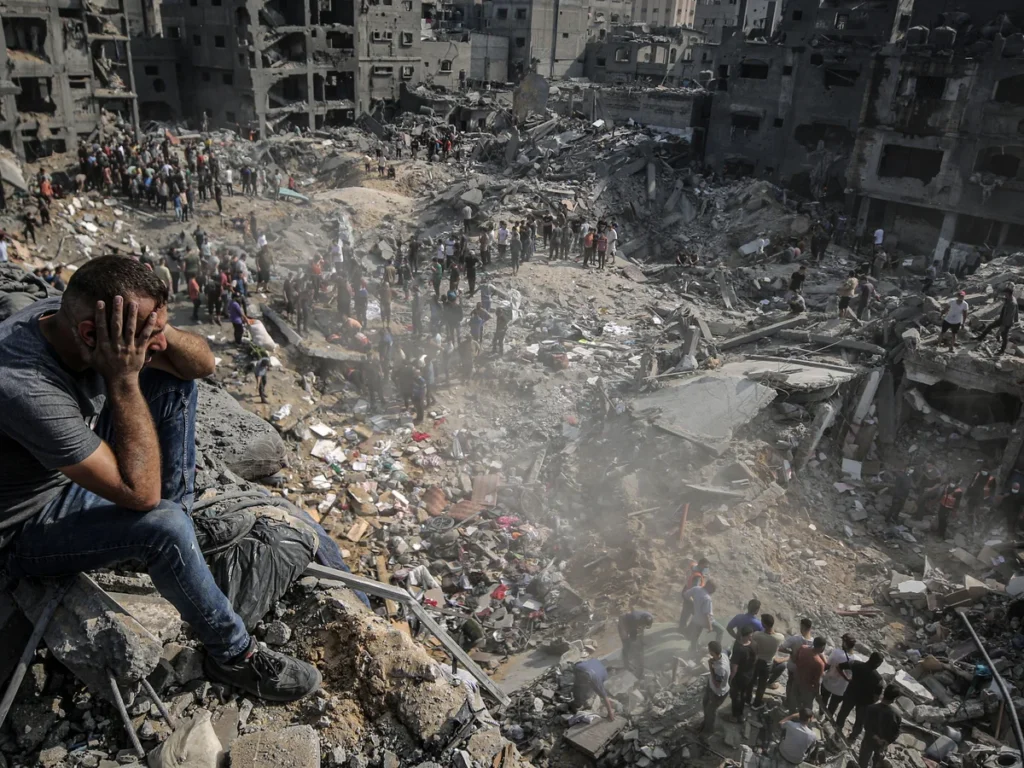
The barriers to medical evacuation come as Gaza’s healthcare system continues to operate under immense pressure after widespread Israeli attacks and the destruction of medical facilities.
For thousands of Palestinian patients, a medical referral therefore represents only the beginning of another struggle. They remain caught between urgent medical needs and a system of permits, crossings and delayed coordination, waiting for an opportunity to leave Gaza for treatment that, for many, could determine whether they survive.