Gaza Herald _As Israel’s war on Gaza continues to devastate the territory’s economy, economists and labor leaders are calling for a major shift in humanitarian assistance, urging aid organizations to combine in-kind relief with direct cash assistance to help families struggling to survive.
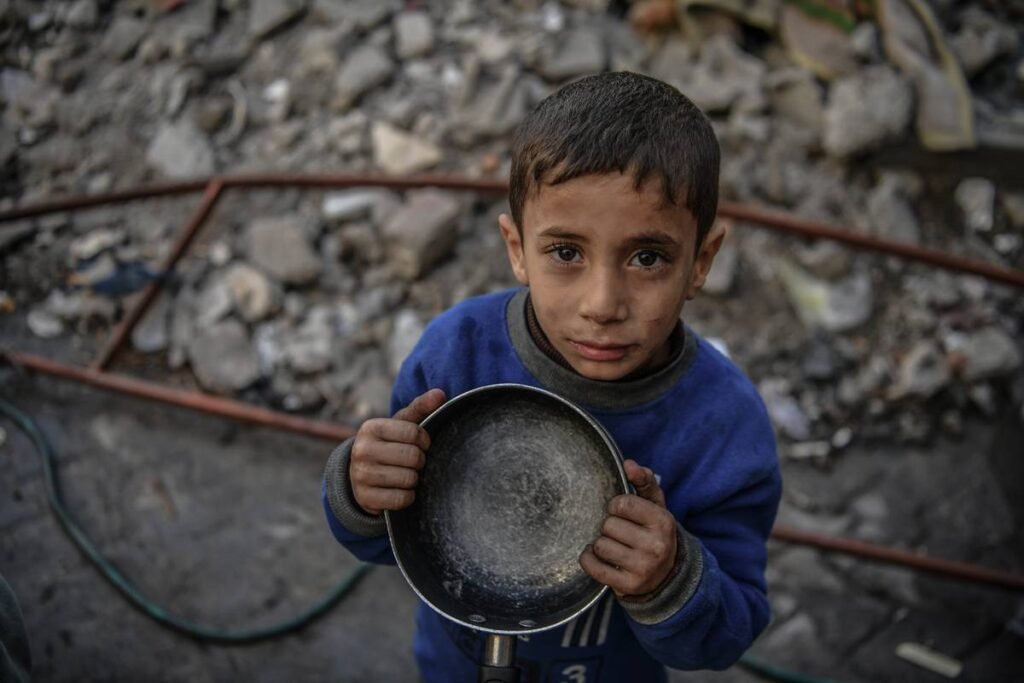
They argue that food parcels alone are no longer enough, as widespread unemployment, destroyed businesses, and a severe shortage of cash have pushed much of Gaza’s population into extreme poverty.
Beyond Food Assistance
Economic analyst Mohammed Skeik says humanitarian efforts should follow two parallel tracks.
The first, he explains, should continue providing essential in-kind assistance, including food, drinking water, clothing, hygiene products, and other basic necessities to help families meet their immediate needs.
The second should provide direct cash assistance, allowing households to purchase items not typically included in aid packages, such as medications, children’s supplies, transportation, and other essential expenses.
Skeik says this dual approach has become an urgent necessity as families lose their income and local production remains largely paralyzed following the widespread destruction of Gaza’s economy.
He notes that consumer purchasing power has fallen to unprecedented levels, leaving markets stagnant despite the availability of some goods.
According to Skeik, injecting cash into the economy would not only help families meet their individual needs but also stimulate local markets by increasing demand and supporting small businesses.
He also stressed the importance of transparent distribution systems and updated beneficiary databases to ensure assistance reaches the most vulnerable groups, including older adults, people with disabilities, patients, widows, divorced women, and households with young children.
Skeik pointed to programs implemented by organizations such as the World Food Programme (WFP) and Oxfam as examples that have helped improve conditions for some families, calling for those initiatives to be expanded to reach a larger share of Gaza’s population.
Workers Among the Hardest Hit
Sami Al-Amsi, head of the Palestinian General Federation of Trade Unions, says wage earners have suffered some of the war’s most severe economic consequences.
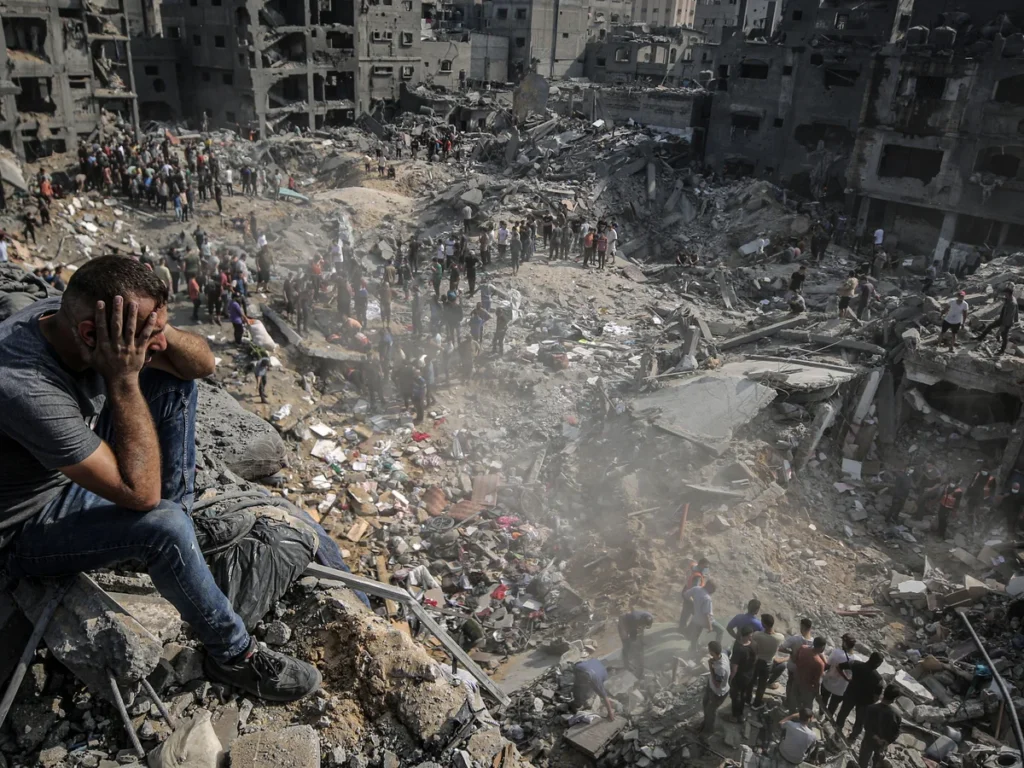
Thousands of workers who relied on jobs in local factories, workshops, or employment inside Israel lost their livelihoods after businesses shut down and economic activity came to a halt.
“Workers have no income to rely on while the daily needs of their families continue to grow,” Al-Amsi says.
Although some essential goods remain available in local markets, he notes that many families cannot afford to buy them because they simply have no cash.
“The crisis is no longer about whether goods exist,” he says. “It’s about whether people have the money to access them.”
Al-Amsi called on international donors, Arab governments, and humanitarian organizations to provide direct financial assistance to workers, arguing that such support is essential to preserving a minimum standard of living.
He warned that Gaza’s economy has moved beyond a conventional recession into near-total collapse following the destruction of factories, workshops, and productive infrastructure, coupled with restrictions on the entry of raw materials.
According to Al-Amsi, nearly 400,000 workers are now unemployed, while poverty has surpassed 90%, figures he described as among the most alarming humanitarian and economic indicators recorded globally.
He warned that without immediate and sustainable intervention, the crisis will continue to deepen, increasing the risk of long-term social and economic instability across Gaza.