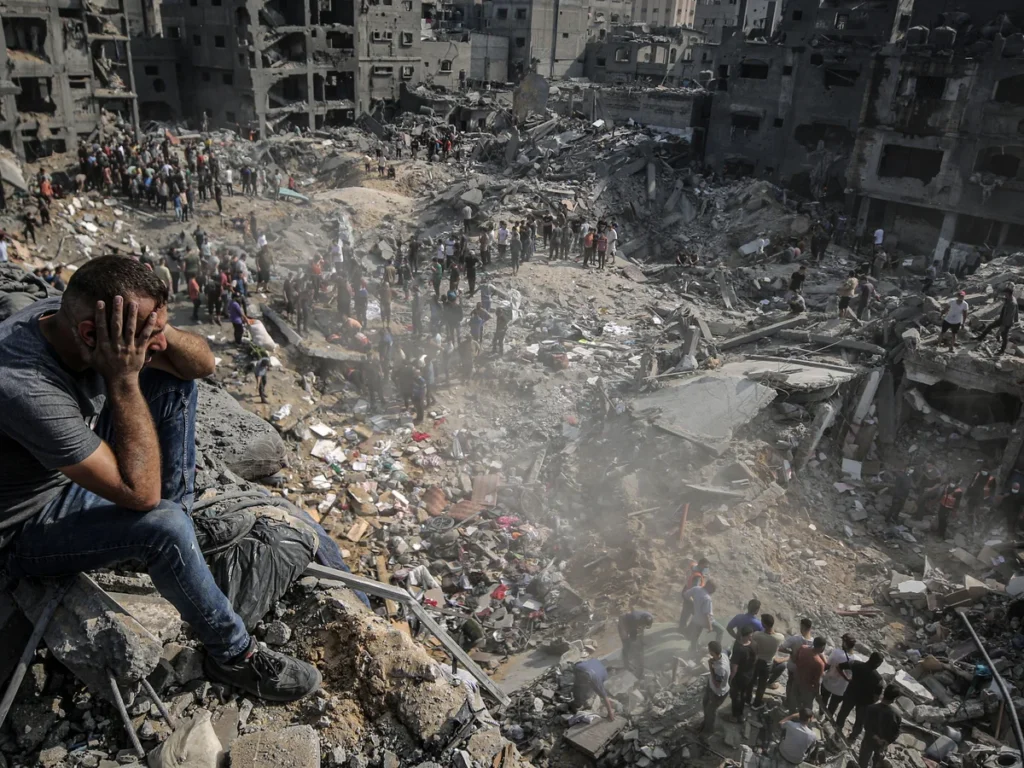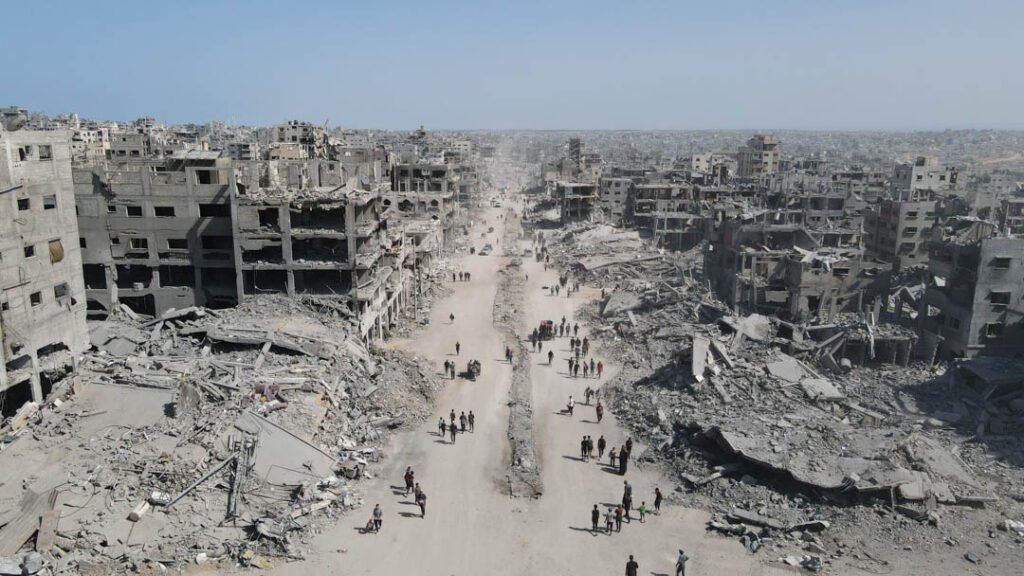
Gaza Herald_ As Palestinians across the Gaza Strip struggle to survive amid widespread displacement, food insecurity, and the devastation left by months of war, Israel has announced the closure of all crossings into the besieged territory following recent Iranian missile attacks. The move has triggered renewed concern among humanitarian organizations, which warn that any prolonged disruption to aid deliveries could further worsen conditions for a population already dependent on outside assistance for survival.
The closure, announced Sunday evening, includes the Rafah and Kerem Shalom crossings and will remain in effect until further notice.
Israel Cites Security Considerations
Israel’s Coordinator of Government Activities in the Territories (COGAT) said the decision was based on security assessments conducted after the latest Iranian missile attacks on Israel.
According to the agency, all crossings serving Gaza will remain closed indefinitely pending further evaluations of the security situation.
Humanitarian Concerns Persist
While Israeli authorities claimed the closure would not affect humanitarian conditions in Gaza and argued that sufficient quantities of food aid had already entered the territory, aid agencies and international organizations continue to warn of severe shortages affecting daily life across the Strip.
For months, humanitarian groups have reported difficulties in delivering adequate supplies to Gaza’s population, citing restrictions, logistical obstacles, and the destruction of infrastructure essential for distributing aid.
A Population Dependent on Aid
The closure comes at a time when much of Gaza’s population remains reliant on humanitarian assistance. According to United Nations estimates, shortages of food, clean drinking water, medicine, fuel, and healthcare services continue to affect communities throughout the territory.
With much of Gaza’s economy shattered and large areas reduced to rubble, many families have little means of securing their basic needs without external support.
Displacement and Hardship Continue
The latest restrictions also come as tens of thousands of displaced Palestinians remain in temporary shelters and overcrowded living spaces after losing their homes during the war.
Humanitarian organizations say that vulnerable families, including children, the elderly, and the sick, are likely to bear the heaviest burden of any prolonged interruption in aid deliveries.
Warnings of Further Deterioration
International relief agencies have repeatedly warned that Gaza’s humanitarian situation remains extremely fragile despite the ceasefire that entered into force in October 2025. They caution that restricting access through border crossings risks worsening existing shortages and placing additional pressure on already strained humanitarian operations.
With approximately 2.3 million Palestinians living in the territory, aid groups stress that maintaining the uninterrupted flow of food, medicine, fuel, and other essential supplies is critical to preventing further suffering and humanitarian deterioration.
Uncertain Outlook
As the crossings remain closed, Palestinians in Gaza face growing uncertainty over the arrival of life-saving assistance. Humanitarian organizations continue to call for the protection of aid access and the uninterrupted delivery of essential supplies, warning that the consequences of prolonged closures could be felt across every aspect of civilian life in the territory.