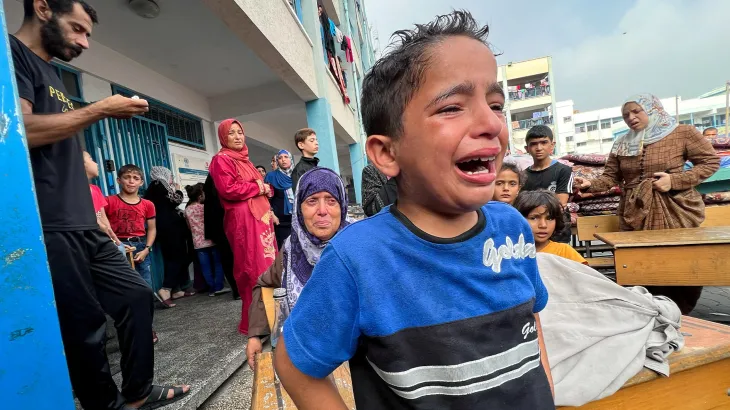
Gaza Herald – The United Nations Relief and Works Agency for Palestine Refugees warned on Friday, November 20, 2026, about the accelerating deterioration of humanitarian and health conditions in the Gaza Strip. The agency emphasized that approximately 85 percent of the population faces repeated and unpredictable interruptions in accessing safe water.
According to a recent report by the agency, which was followed by Quds News Network, 76 percent of Palestinian families suffer from a severe shortage of basic hygiene supplies. This lack of resources contributes to growing concerns regarding the spread of diseases and epidemics in crowded displacement areas.
The situation has become critical with nearly 1.98 million Palestinians, representing 94 percent of the sector’s population, in urgent need of assistance related to shelter and non-food items. The agency highlighted that the widespread collapse of infrastructure continues to exacerbate these challenges under the ongoing Israeli aggression.
Furthermore, the agency documented 1059 incidents targeting its facilities and displaced persons within them since the start of the war until mid-November. These attacks damaged 312 of its facilities, significantly weakening its capacity to continue providing relief services to the affected population.
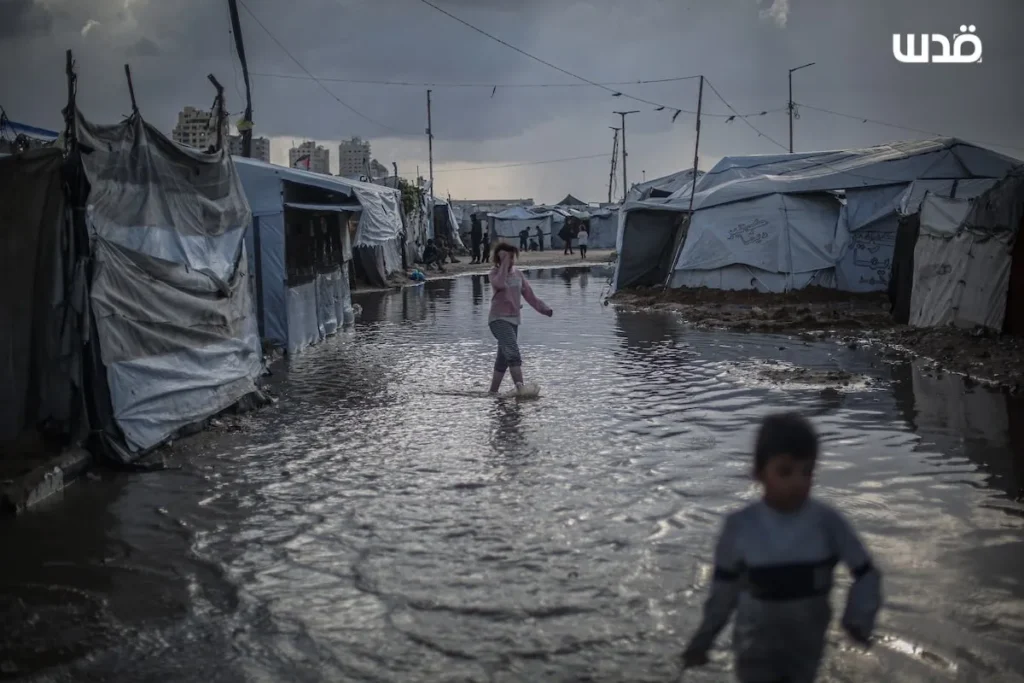
Recent weather phenomena have further worsened the crisis, causing damage to more than 40 thousand temporary shelters and affecting the lives of over 220 thousand people. Additionally, 960 sewage facilities and nine medical establishments were reported damaged, compounding the difficulties faced by residents.
On the health front, the report warned of a concerning rise in meningitis cases. Viral suspected cases have increased by 2.6 times, while bacterial cases have risen to 4.1 times compared to last year. The agency attributed this surge to deteriorating environmental conditions, the absence of clean water, and the accumulation of waste.
UNRWA media advisor noted that thousands of partially damaged homes are threatened with collapse above their occupants’ heads. He stated that the use of massive amounts of explosives by the occupation army has caused soil shifts, increasing risks for tents in sandy areas.
Currently, nearly two million Palestinians live in an area smaller than 100 square kilometers. International warnings indicate that continued restrictions on aid entry will deepen civilian suffering, particularly in water, health, and shelter sectors, signaling further deterioration in living conditions.
This report was produced in the Gaza Herald newsroom.