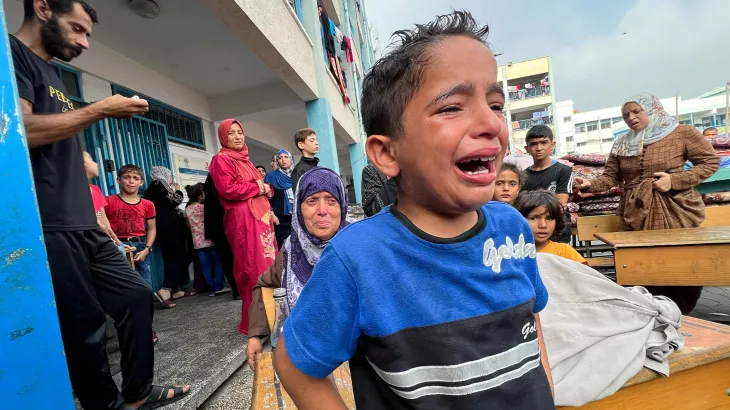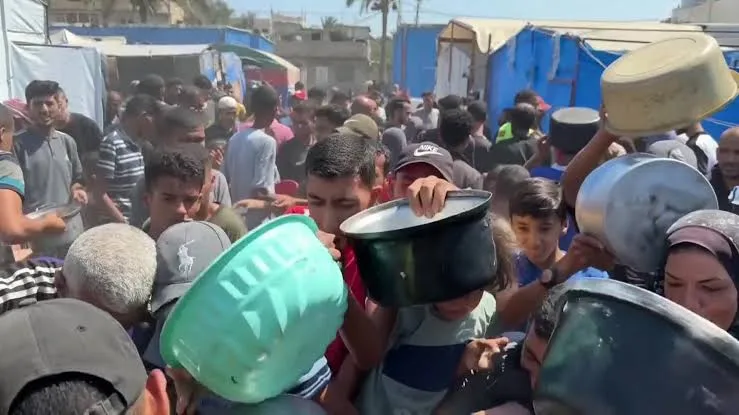
Gaza Herald – Gaza’s Health Ministry warned on Friday, October 16, World Food Day, that Israel’s genocide and blockade have pushed Palestinians into a catastrophic hunger crisis, with 466 people, including 157 children, dying from starvation and malnutrition since 2024.
In a statement marking World Food Day, the ministry warned that more than 1.4 million Palestinians, approximately 67% of Gaza’s population, could face acute food insecurity or worse by the end of 2026, as shortages of food, medicines, and essential medical supplies continue to threaten lives across the devastated territory.
The warning comes more than a year after famine was officially declared in Gaza Governorate in August 2025, exposing the prolonged consequences of food deprivation under Israel’s genocidal war.
Children, pregnant women, and elderly Palestinians remain among the most vulnerable, with health authorities documenting rising malnutrition, pregnancy complications, and deaths linked to starvation.
157 Palestinian Children Die From Starvation and Malnutrition
According to the Health Ministry, 157 Palestinian children have died from starvation and malnutrition since 2024, accounting for approximately one-third of the 466 recorded deaths.
Between 2024 and August 2026, medical teams documented 158,001 cases of acute malnutrition among children under five, including 28,716 severe cases.
The ministry warned that severe malnutrition places children at heightened risk of life-threatening complications, particularly when specialized nutritional treatment and medical care are unavailable.
The mortality rate among children under five increased from 13.6 deaths per 1,000 live births in 2022 to 33.4 in 2025.
Meanwhile, 12.2% of children were affected by stunting, a condition associated with prolonged nutritional deprivation that can impair physical growth and cognitive development.
Health authorities estimate that approximately 74,200 children will require treatment for acute malnutrition through April 2027.
The figures reveal the devastating impact of hunger on Gaza’s youngest residents, many of whom have spent much of their lives enduring displacement, food shortages, and the destruction of essential healthcare services.
Pregnant Women Face Rising Anemia and Pregnancy Losses
The hunger crisis has also severely affected pregnant women, placing both mothers and unborn children at risk.
According to the ministry, anemia among pregnant women rose to 61% in 2026, compared with approximately 41% before Israel’s genocidal war.
Nearly 4,000 pregnancy losses were recorded during the first six months of 2026, while one in three pregnancies was classified as high-risk.
Poor nutrition during pregnancy can increase the risk of serious complications, including premature birth, low birth weight, and impaired fetal development.
The destruction of medical facilities and shortages of medicines, nutritional supplements, and specialized maternal healthcare have further endangered pregnant and breastfeeding women.
For many Palestinian mothers, securing adequate food has become increasingly difficult amid widespread displacement and the collapse of household incomes.
189 Elderly Palestinians Die as Food and Medicine Shortages Deepen
Older Palestinians account for the largest documented age-group share of starvation and malnutrition deaths in Gaza.
The Health Ministry recorded 189 deaths among elderly people, representing approximately 40.5% of the total.
Many older residents live with chronic illnesses that require regular medication, adequate nutrition, and continuous medical monitoring.
However, the combined shortages of food and essential medicines have left them increasingly vulnerable.
The ministry’s figures also revealed the extent of deprivation affecting daily life.
According to the statement, 11% of those covered by the reported data went an entire day without eating a meal, while 48% reduced their food portions to provide for their families.
Another 68% stopped taking medication or reduced their prescribed doses because of drug shortages.
These figures expose how hunger and the collapse of healthcare services are forcing Palestinians to make dangerous choices between meeting their nutritional needs and managing serious medical conditions.
For elderly patients, particularly those with diabetes, heart disease, and other chronic illnesses, inadequate nutrition and interrupted treatment can lead to life-threatening complications.
Gaza Health Ministry Demands Unrestricted Entry of Food and Medicine
The Gaza Health Ministry stressed that access to adequate food is a fundamental human right that cannot be suspended during war.
It called on the international community and the United Nations to take immediate action to ensure the safe, sustained, and unrestricted entry of food, therapeutic nutritional products, medicines, and essential medical supplies.
The ministry emphasized the urgent need to prioritize children, pregnant and breastfeeding women, elderly people, and patients suffering from severe malnutrition.
It also warned that the humanitarian crisis cannot be addressed through temporary assistance alone, as Gaza requires reliable food supplies and functioning healthcare services to prevent further deaths.
Without sustained access to nutritious food and specialized treatment, the consequences of malnutrition could affect Palestinian families for years.
Israeli Attacks Compound Gaza’s Hunger Crisis
The ministry’s warning comes amid continued Israeli military attacks on the Gaza Strip, further endangering Palestinians already struggling with hunger, displacement, and inadequate healthcare.
Local sources said a recent Israeli airstrike wounded five Palestinians and damaged homes, adding to the destruction facing communities across the territory.
The continuing attacks have compounded the difficulties of delivering humanitarian assistance and restoring essential services.
For displaced families living in damaged buildings and makeshift shelters, shortages of food, clean water, medicines, and basic supplies remain a daily threat.
World Food Day Exposes the Human Cost of Gaza’s Starvation Crisis
Observed annually on October 16, World Food Day draws attention to hunger, food security, and the right to adequate nutrition.
In Gaza, the occasion comes amid a humanitarian catastrophe in which hundreds of Palestinians have died from starvation and malnutrition, while hundreds of thousands of children face serious nutritional risks.
The ministry’s figures — 466 deaths, including 157 children and 189 elderly Palestinians — reveal the deadly consequences of prolonged food deprivation.
The rise in childhood malnutrition, maternal anemia, and pregnancy complications also demonstrates how the crisis is threatening the health of future generations.
As the world marks World Food Day, Gaza’s Health Ministry is demanding immediate action to end restrictions on essential supplies and ensure that Palestinians can access the food and medical care necessary to survive.
For families across Gaza, the right to food is not simply a humanitarian principle. It is a matter of life and death.