Gaza Herald – The mood in Addis Ababa and Asmara is described as overconfident as Ethiopia and Eritrea approach an all-out war. This conflict risks dragging in outside powers and destabilizing the Red Sea region. The area is already convulsed by ongoing wars in Sudan and Yemen. Analysts warn that the chances of containment are low because leaders on both sides are focusing on perceived weaknesses in their foes.
Cameron Hudson, an Africa analyst and former CIA official, told Middle East Eye that while regional leaders claim they do not want a wider war, their actions suggest they are walking backward into one. The conflict operates on three levels: internal fissures within Ethiopia, historic tensions with Eritrea, and the enabling role played by Middle Eastern powers.
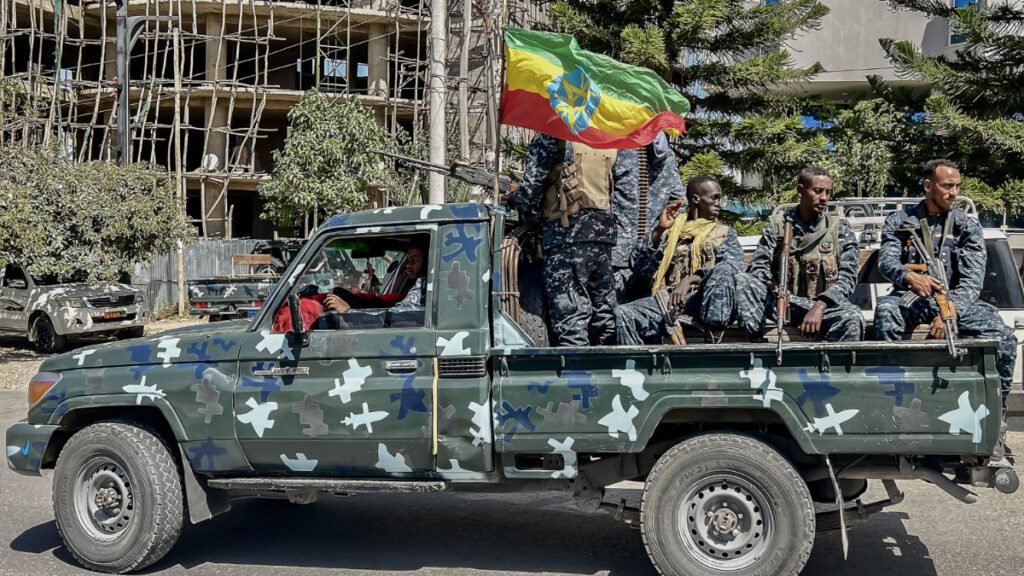
The core issue involves a fight among Ethiopia’s ethnic groups over government control. President Abiy Ahmed is attempting to shift from ethnic federalism to a centralized system. Hostilities intensified after the Tigray People’s Liberation Front launched an offensive in September to topple the government. Although the TPLF initially captured Mekelle, government forces quickly reversed these gains.
Historic rivalry between the neighbors adds complexity. Eritrea gained independence in 1993 after a long insurgency. Despite joining forces against the TPLF during the 2020-2022 civil war, relations remain hostile. Ethiopia has made revisionist claims about acquiring Eritrea’s Red Sea coast, while Eritrea supports militias opposing the federal government.
Addis Ababa accused Eritrea of sending thousands of troops to support the TPLF. Multiple US, EU, and African officials confirmed Eritrean troops have entered Tigray. Ethiopia launched drone strikes on these positions on Wednesday and Thursday, according to monitoring group ACLED. A previous war between 1998 and 2000 was bloody but contained; this time, regional powers are likely to be involved.
Ethiopia maintains close ties with the United Arab Emirates and Israel, receiving drones and weapons systems. Eritrea suspects these nations would back Ethiopian efforts to seize coastline access. Conversely, Eritrea has forged ties with Somalia, Egypt, and the Sudanese Armed Forces, all of whom oppose Abiy Ahmed’s government. Eritrea is also moving closer to Saudi Arabia.
Both countries have shuttered their embassies this week. A former senior European official indicated Ethiopia may issue a formal declaration of war soon. In a letter to the UN, Ethiopia accused Eritrea of aggression. Eritrean Information Minister Yemane Gebremeskel countered that Ethiopia declared a war of aggression by seeking sovereign sea access.
Tekeda Alemu, a former Ethiopian ambassador to the UN, stated the countries are effectively at war despite the lack of formal declaration. He noted Eritrean penetration deep into Ethiopian territory. Meanwhile, the TPLF announced an alliance with six other armed groups, including the Fano militia, aiming to overthrow Abiy Ahmed. This alliance remains formidable, complicating the internal security landscape further.
This report was produced in the Gaza Herald newsroom.