
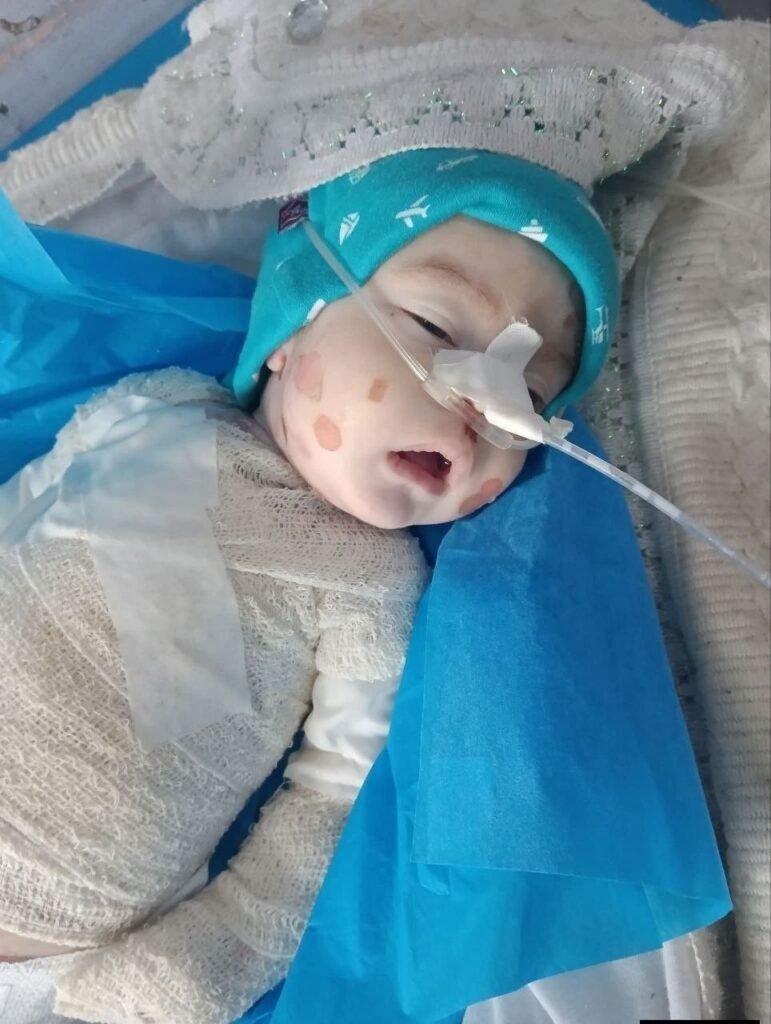
Gaza Herald – The United Nations has raised alarm over a sharp increase in skin infections and pest-related diseases across the Gaza Strip, as deteriorating shelter conditions and limited humanitarian access continue to impact displaced populations.
Speaking at a press briefing, UN spokesperson Stéphane Dujarric reported that field teams are observing a sustained rise in infections linked to overcrowding and poor hygiene conditions. According to UN data, cases recorded in displacement sites more than tripled in March, affecting nearly 10,000 civilians, compared to around 3,000 in January.
The increase has been attributed to a combination of factors, including insufficient shelter, limited access to clean water, and a shortage of essential hygiene supplies. Dujarric emphasized the urgent need to allow the entry of items such as anti-lice treatments, lotions, disinfectants, and pesticides to prevent further public health deterioration.
Humanitarian agencies operating on the ground have been forced to improvise shelter solutions amid severe shortages. In some cases, wooden pallets used for transporting aid have been repurposed into makeshift shelters. By early this week, approximately 20 such units had been constructed across Gaza and the North Gaza Strip, offering minimal privacy for displaced Palestinians.
Despite these efforts, current provisions fall short of the scale of need. UN partners reported delivering thousands of shelter-related items in March, including bedding, tarpaulins, and tents, reaching over 45,000 families. However, officials stress that temporary fixes are insufficient.
“More durable and sustainable shelter solutions are urgently required,” Dujarric said, highlighting the need for access to construction materials and equipment to repair damaged homes.
The worsening shelter crisis is unfolding alongside broader humanitarian concerns. Gaza’s Government Media Office has reported thousands of violations of the ceasefire agreement since October 2025, including restrictions affecting aid delivery. According to Gaza’s Health Ministry, hundreds have been killed and thousands injured during this period.
After more than two years of genocide, the humanitarian situation in Gaza remains critical. Large-scale displacement, infrastructure destruction, and limited access to basic services continue to place civilians at significant risk, with public health conditions deteriorating as a direct consequence.

