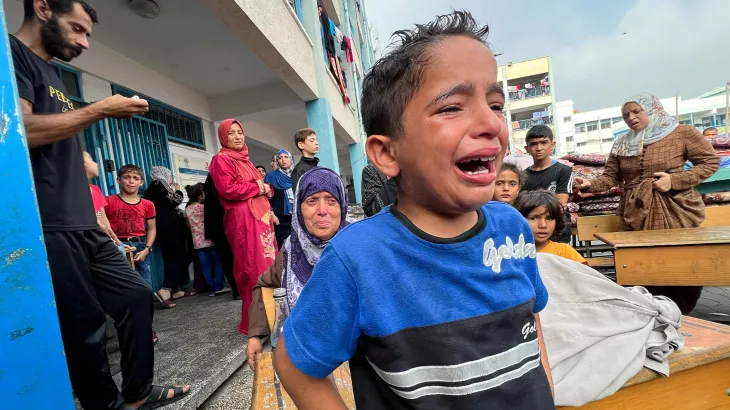
Gaza Herald_ As mass graves expand and rubble continues to be cleared across the Gaza Strip, the task of identifying those killed has become a humanitarian crisis in its own right. With thousands of Palestinians still missing after months of relentless bombardment, families are left suspended between hope and grief, unable to bury their loved ones or even confirm their fate. At the center of this crisis is a critical shortage of forensic technology, particularly DNA testing equipment, which has severely hampered efforts to identify the dead and return names to the bodies pulled from Gaza’s ruins.
The lack of advanced forensic equipment, particularly DNA analysis devices, has become a critical barrier to identifying those killed in Gaza, according to Mahmoud Ashour, spokesperson for the territory’s forensic services. He warned that this shortage has left hundreds of families in a state of agonizing limbo, unable to confirm the fate of their loved ones or bring closure to their loss.
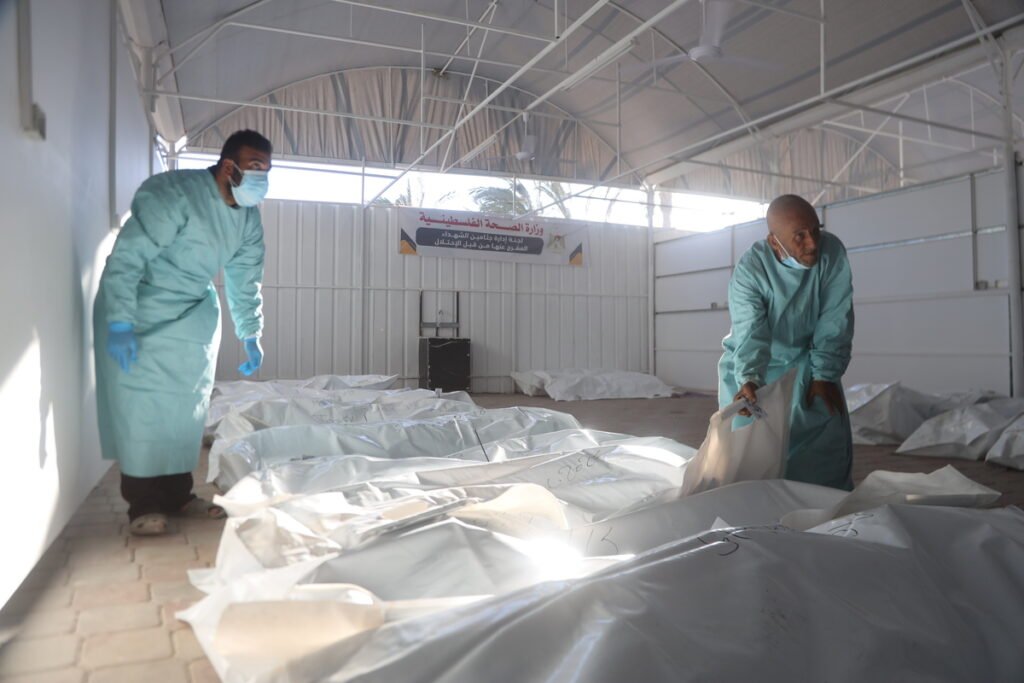
In a statement released on Tuesday, Ashour said forensic teams are continuing their work day and night as part of a humanitarian effort coordinated with relevant authorities. Their tasks include retrieving bodies from beneath destroyed buildings, as well as from mass and improvised graves scattered across the Gaza Strip, in addition to documenting the remains, transporting them, and ensuring burial procedures that uphold human dignity.
Ashour explained that most of the bodies recovered so far are either skeletal or severely decomposed, a reality that makes identification using conventional methods nearly impossible under current conditions.
He urged international and humanitarian organizations to urgently intervene by supplying Gaza’s forensic teams with essential technical and scientific equipment. He also called for assistance in establishing a comprehensive database for families of the missing, noting that such support would make genetic matching possible, allow unidentified bodies to be named, and help bring an end to the prolonged suffering of thousands of families still waiting for answers.
Without immediate international intervention, the identification crisis in Gaza will deepen, condemning thousands of families to prolonged uncertainty and unresolved mourning. Forensic teams warn that dignity in death is inseparable from justice for the living, and that denying Gaza the tools needed for identification amounts to extending the suffering beyond the battlefield. Ashour stressed that providing DNA testing capabilities and forensic support is not a technical luxury but a humanitarian obligation, one that could finally allow families to grieve, remember, and bury their dead with dignity rather than wait indefinitely for answers that never come.