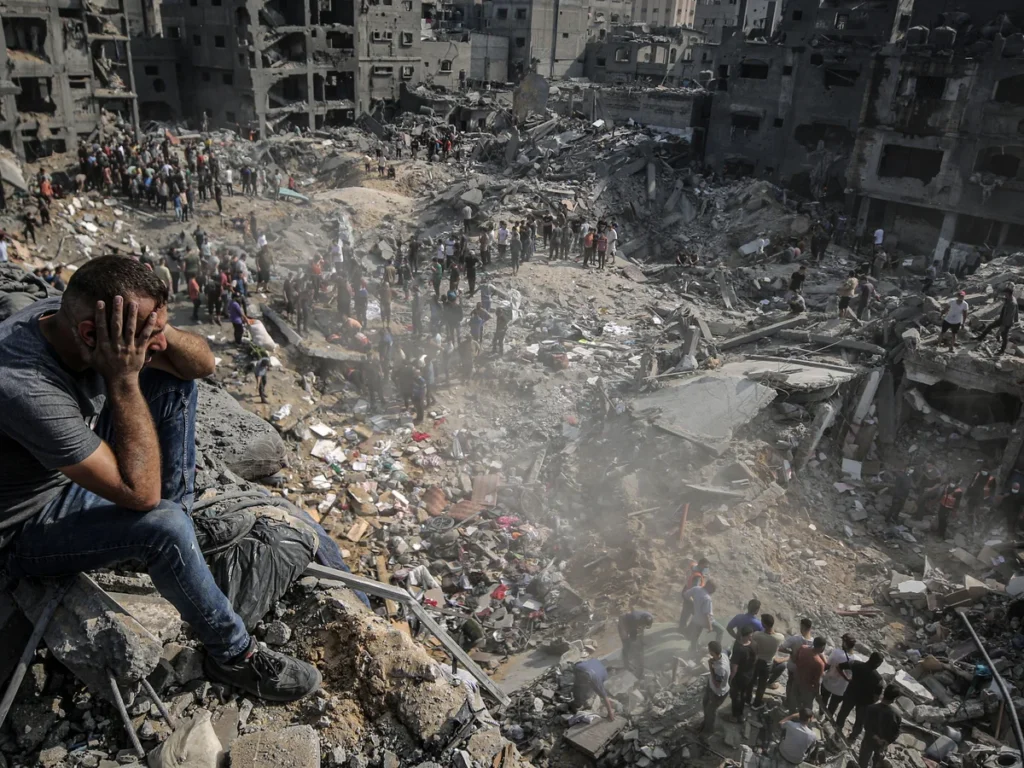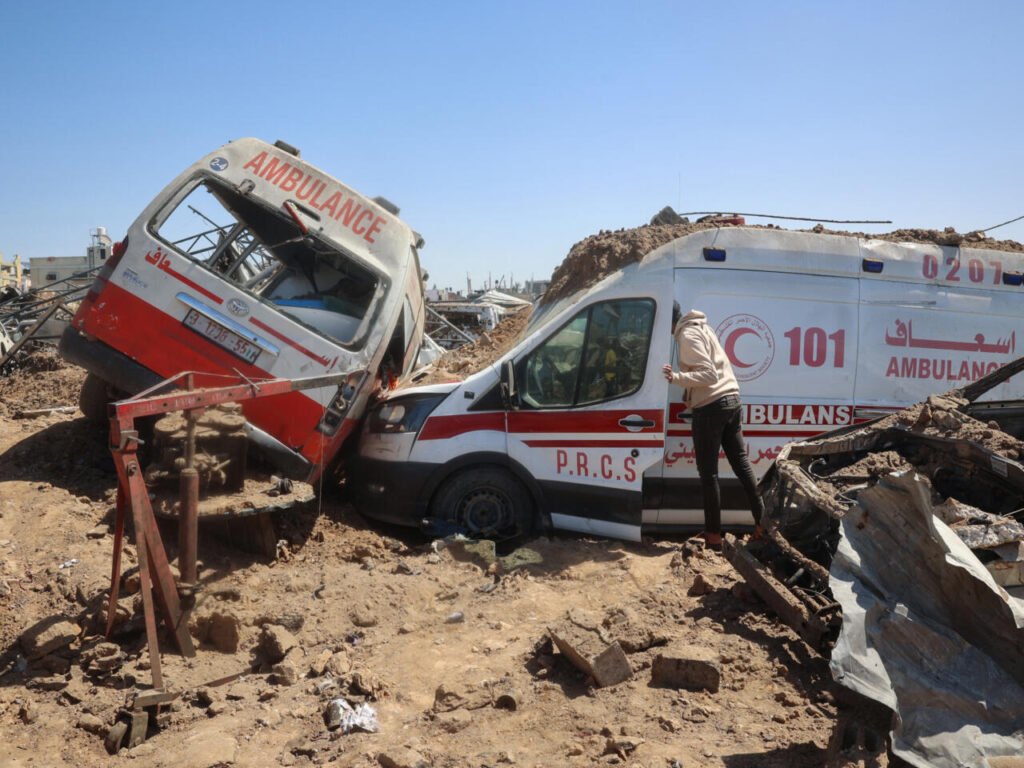
Gaza Herald – In Gaza, Palestine, Dr. Randa Abu El-Khair Masoud, a medical adviser with Médecins Sans Frontières (MSF), described the severe strain on medical teams caused by Israeli restrictions on medical supply entry.
She explained that trucks carrying food and medicine sit outside Gaza, unable to enter, and since January 1, 2026, MSF has not been able to bring in any supplies. The needs in Gaza are enormous, yet aid continues to be blocked.
Nearly half of the essential medications for chronic diseases are in critically low stock, including medicines for diabetes, hypertension, thyroid disorders, asthma, and other respiratory conditions. As a result, MSF has had to stop accepting new patients for non-communicable disease services, limiting care to existing patients and putting lives at risk.
Hospitals are also facing severe shortages of wound care materials such as gauze and compresses. These shortages affect postoperative care, surgeries, and trauma treatment. At the MSF hospital in Deir Al-Balah, more than 100 patients visit daily for wound care, with up to 30 burn cases admitted each day. During the full blockade in August–September 2025, staff had to use non-sterile gauze sterilized in batches, a suboptimal solution that risks infection. Current supplies are once again approaching critical levels.
No new medical equipment has been allowed into Gaza since the start of 2026, putting additional pressure on medical teams. For example, during a recent surgery on a two-year-old, a bone drill malfunctioned. It was the only device available, forcing staff to borrow equipment from another facility and delaying treatment. Malfunctioning equipment now risks postponed surgeries, which can worsen outcomes or cause permanent disability.
Dr. Masoud emphasized that while MSF teams are working tirelessly and finding temporary solutions, their efforts cannot replace the stable and unhindered entry of medical supplies. Gaza urgently needs medicines and equipment to prevent further loss of life and worsening of chronic conditions.