Gaza Herald_ Israeli forces killed two Palestinian civilians, including a five-year-old girl, on Monday during renewed artillery shelling and helicopter attacks in southern Gaza, in clear violation of the ceasefire brokered by the United States in October. The strike targeted a tent sheltering displaced families in the coastal al-Mawasi area near Khan Younis, an area crowded with civilians forced from their homes by months of bombardment.
Medical officials at the Nasser Medical Complex confirmed that the young girl and her uncle were killed instantly, while at least four others, most of them children, were injured. The victims were among thousands of displaced Palestinians living in makeshift shelters after repeated evacuation orders and the destruction of residential neighborhoods.
Death Toll Rises as Truce Erodes
According to Gaza’s health authorities, the latest attack brings the number of Palestinians killed by Israeli forces since the ceasefire began to at least 422. Palestinian officials say the continued killings expose the ceasefire as largely symbolic, offering little real protection for civilians on the ground.
The Israeli military claimed it had targeted a Hamas fighter allegedly planning an imminent attack, but provided no evidence to support the claim and did not clarify whether it referred to the deadly strike on the tent. Palestinian sources rejected the assertion, stressing that the victims were civilians with no involvement in hostilities.
Near-Daily Attacks and Mass Destruction
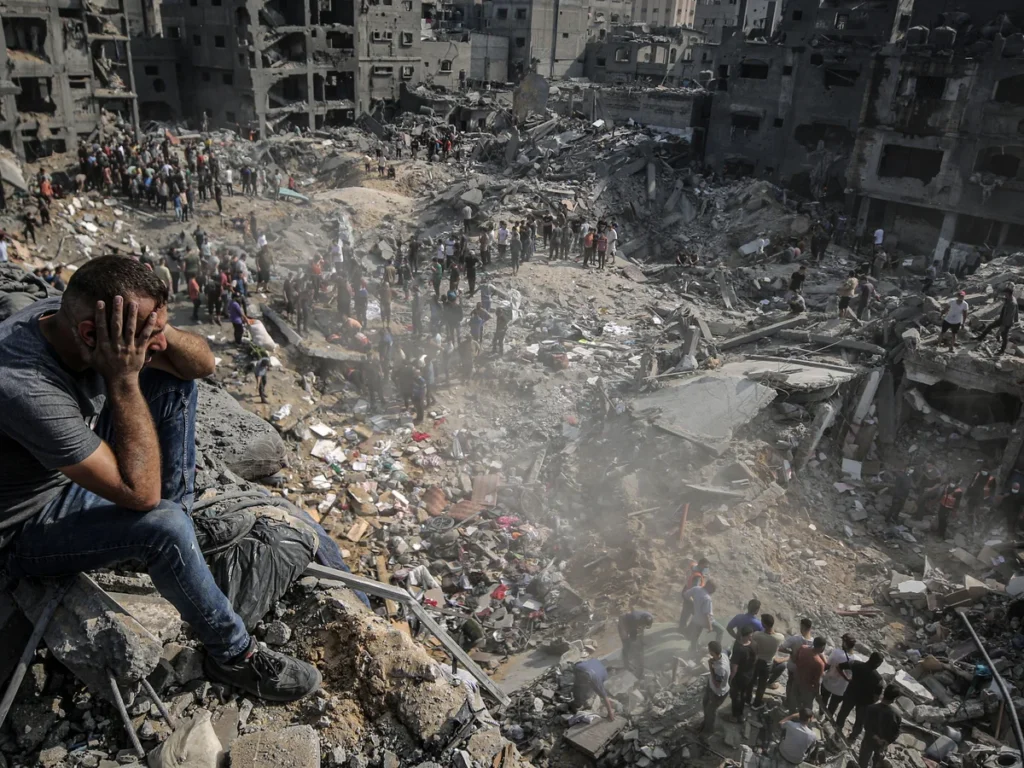
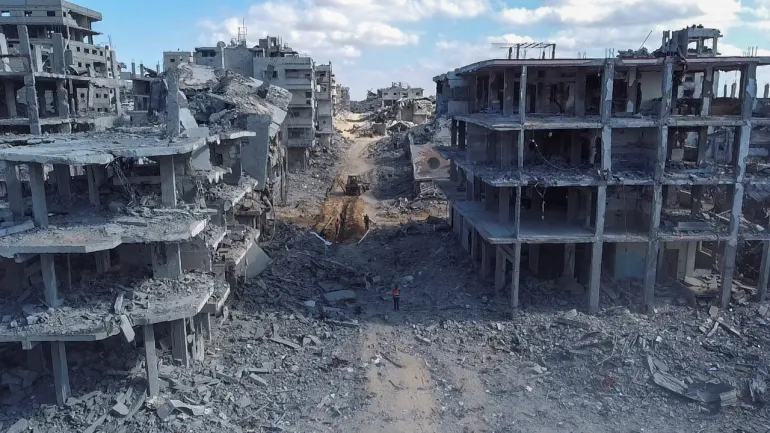
Despite the ceasefire, Israeli forces have continued near-daily assaults across Gaza, alongside strict controls on humanitarian aid. Palestinian officials estimate that around 88 percent of Gaza’s buildings have been damaged or destroyed, leaving the enclave uninhabitable in large parts.
Nearly two million Palestinians are now surviving in tents, improvised shelters, or damaged buildings, often without electricity, clean water, or proper sanitation. These conditions have left civilians dangerously exposed to airstrikes, disease, and harsh weather, with children and elderly people particularly at risk.
Collapsing Homes and Failing Rescue Services
In a separate incident on Monday, the Palestinian Civil Defence reported that a house previously damaged by Israeli bombardment collapsed in the Maghazi refugee camp in central Gaza, killing a 29-year-old father and his eight-year-old son. Rescue teams later said they were unable to respond to many similar emergencies due to severe shortages of fuel, heavy machinery, and basic equipment.
Authorities warn that thousands of damaged buildings across Gaza remain at risk of collapse, threatening further civilian deaths in the absence of reconstruction materials or meaningful humanitarian access.
Ceasefire Phases and Unmet Promises
The ceasefire agreement, reached after more than two years of Israeli attacks that killed over 71,000 Palestinians, was meant to be implemented in stages. The first phase included prisoner exchanges, increased humanitarian aid, and the reopening of Gaza’s Rafah crossing with Egypt.
While Hamas has released all remaining living captives and returned dozens of bodies, except for one, Israel has freed nearly 2,000 Palestinian detainees, including prisoners serving life sentences. However, humanitarian organizations say Israel continues to obstruct aid deliveries, preventing any real improvement in living conditions.
Rafah Crossing: A Lifeline Still Closed
The Rafah crossing, Gaza’s main gateway to the outside world, has remained shut since Israeli forces occupied the Palestinian side in May 2024. Aid agencies say its closure has worsened shortages of food, medicine, fuel, and medical supplies, while trapping thousands of wounded and chronically ill patients inside Gaza.
Israeli media reported on January 1 that authorities may be preparing to reopen the crossing in both directions under pressure from US President Donald Trump. If implemented, the move would represent a shift from previous Israeli policies that restricted Rafah to outbound travel only, a position widely condemned as facilitating forced displacement.
The reports have sparked guarded hope among Gaza’s residents. Tasnim Jaras, a student in Gaza City, said reopening Rafah would allow her to resume her education after years of disruption. Others see the crossing as a matter of survival rather than mobility.
Moaeen al-Jarousha, who was wounded during the war, said he urgently needs treatment abroad. “I need immediate medical intervention, and I cannot get it here,” he said, describing the conditions in Gaza as unbearable.
Still, many Palestinians remain skeptical, recalling repeated announcements that were never fulfilled or quickly reversed. For families separated by war, patients awaiting lifesaving care, and students denied their futures, hope remains fragile.
Ongoing Occupation and Demolitions
Israel continues to maintain control over approximately 53 percent of Gaza, according to Palestinian officials. Witnesses reported ongoing demolitions of residential homes in Gaza City’s eastern Zeitoun neighborhood on Monday, further displacing families already uprooted multiple times.
The Israeli military also said it attacked a Palestinian who crossed the so-called “yellow line,” an unmarked boundary established following Israeli troop redeployments under the ceasefire, again without providing evidence.
As Gaza remains under attack, devastated by destruction, and starved of adequate aid, Palestinians say the ceasefire has failed to deliver safety, dignity, or relief. For many, the reopening of the Rafah crossing is seen as one of the last remaining lifelines — not just to the outside world, but to survival itself.
Israeli forces killed two Palestinian civilians, including a five-year-old girl, on Monday during renewed artillery shelling and helicopter attacks in southern Gaza, in clear violation of the ceasefire brokered by the United States in October. The strike targeted a tent sheltering displaced families in the coastal al-Mawasi area near Khan Younis, an area crowded with civilians forced from their homes by months of bombardment.
Medical officials at the Nasser Medical Complex confirmed that the young girl and her uncle were killed instantly, while at least four others, most of them children, were injured. The victims were among thousands of displaced Palestinians living in makeshift shelters after repeated evacuation orders and the destruction of residential neighborhoods.
Death Toll Rises as Truce Erodes
According to Gaza’s health authorities, the latest attack brings the number of Palestinians killed by Israeli forces since the ceasefire began to at least 422. Palestinian officials say the continued killings expose the ceasefire as largely symbolic, offering little real protection for civilians on the ground.
The Israeli military claimed it had targeted a Hamas fighter allegedly planning an imminent attack, but provided no evidence to support the claim and did not clarify whether it referred to the deadly strike on the tent. Palestinian sources rejected the assertion, stressing that the victims were civilians with no involvement in hostilities.
Near-Daily Attacks and Mass Destruction
Despite the ceasefire, Israeli forces have continued near-daily assaults across Gaza, alongside strict controls on humanitarian aid. Palestinian officials estimate that around 88 percent of Gaza’s buildings have been damaged or destroyed, leaving the enclave uninhabitable in large parts.
Nearly two million Palestinians are now surviving in tents, improvised shelters, or damaged buildings, often without electricity, clean water, or proper sanitation. These conditions have left civilians dangerously exposed to airstrikes, disease, and harsh weather, with children and elderly people particularly at risk.
Collapsing Homes and Failing Rescue Services
In a separate incident on Monday, the Palestinian Civil Defence reported that a house previously damaged by Israeli bombardment collapsed in the Maghazi refugee camp in central Gaza, killing a 29-year-old father and his eight-year-old son. Rescue teams later said they were unable to respond to many similar emergencies due to severe shortages of fuel, heavy machinery, and basic equipment.
Authorities warn that thousands of damaged buildings across Gaza remain at risk of collapse, threatening further civilian deaths in the absence of reconstruction materials or meaningful humanitarian access.
Ceasefire Phases and Unmet Promises
The ceasefire agreement, reached after more than two years of Israeli attacks that killed over 71,000 Palestinians, was meant to be implemented in stages. The first phase included prisoner exchanges, increased humanitarian aid, and the reopening of Gaza’s Rafah crossing with Egypt.
While Hamas has released all remaining living captives and returned dozens of bodies, except for one, Israel has freed nearly 2,000 Palestinian detainees, including prisoners serving life sentences. However, humanitarian organizations say Israel continues to obstruct aid deliveries, preventing any real improvement in living conditions.
Rafah Crossing: A Lifeline Still Closed
The Rafah crossing, Gaza’s main gateway to the outside world, has remained shut since Israeli forces occupied the Palestinian side in May 2024. Aid agencies say its closure has worsened shortages of food, medicine, fuel, and medical supplies, while trapping thousands of wounded and chronically ill patients inside Gaza.
Israeli media reported on January 1 that authorities may be preparing to reopen the crossing in both directions under pressure from US President Donald Trump. If implemented, the move would represent a shift from previous Israeli policies that restricted Rafah to outbound travel only, a position widely condemned as facilitating forced displacement.
Cautious Hope Among Palestinians
The reports have sparked guarded hope among Gaza’s residents. Tasnim Jaras, a student in Gaza City, said reopening Rafah would allow her to resume her education after years of disruption. Others see the crossing as a matter of survival rather than mobility.
Moaeen al-Jarousha, who was wounded during the war, said he urgently needs treatment abroad. “I need immediate medical intervention, and I cannot get it here,” he said, describing the conditions in Gaza as unbearable.
Still, many Palestinians remain skeptical, recalling repeated announcements that were never fulfilled or quickly reversed. For families separated by war, patients awaiting lifesaving care, and students denied their futures, hope remains fragile.
Ongoing Occupation and Demolitions
Israel continues to maintain control over approximately 53 percent of Gaza, according to Palestinian officials. Witnesses reported ongoing demolitions of residential homes in Gaza City’s eastern Zeitoun neighborhood on Monday, further displacing families already uprooted multiple times.
The Israeli military also said it attacked a Palestinian who crossed the so-called “yellow line,” an unmarked boundary established following Israeli troop redeployments under the ceasefire, again without providing evidence.
A Ceasefire Without Safety
As Gaza remains under attack, devastated by destruction, and starved of adequate aid, Palestinians say the ceasefire has failed to deliver safety, dignity, or relief. For many, the reopening of the Rafah crossing is seen as one of the last remaining lifelines — not just to the outside world, but to survival itself.