Gaza Herald- A staggering 43% of pregnant and breastfeeding mothers seeking treatment at Save the Children clinics in Gaza were found to be malnourished in July, the organization reported. Of the 747 women screened during the first half of the month, 323 were suffering from malnutrition, nearly triple the number recorded in March, when Israel reimposed a full siege on the territory.
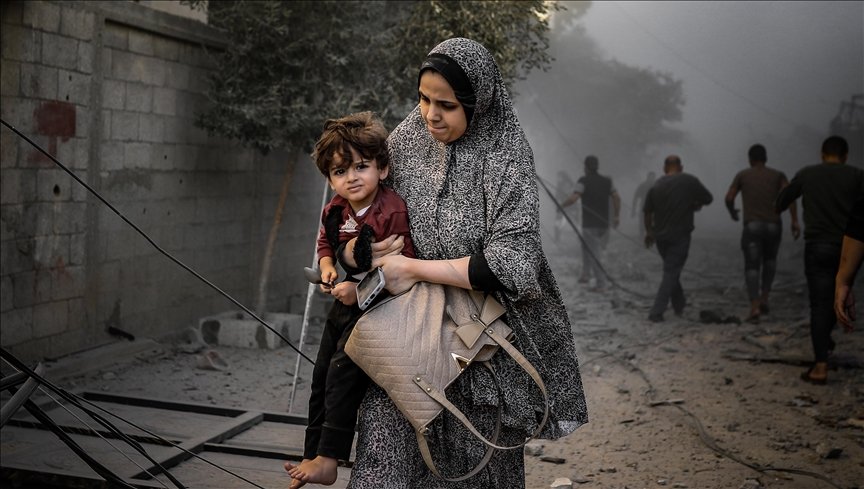
This growing crisis is impairing mothers’ ability to breastfeed, with many turning to improvised alternatives like water mixed with ground chickpeas or tahini. These dangerous substitutes increase the risk of illness and malnutrition among infants. Some mothers, fearing they may not survive, have begun asking for infant formula to ensure their babies can still be fed if orphaned.
Save the Children’s Regional Director for the Middle East, Ahmad Alhendawi, described the situation as catastrophic:
“Mothers are arriving at our clinics hungry, exhausted, and terrified that their babies won’t survive. These are realities no mother should ever have to face. Supporting mothers to breastfeed can be a life-saving intervention for both mother and child.”
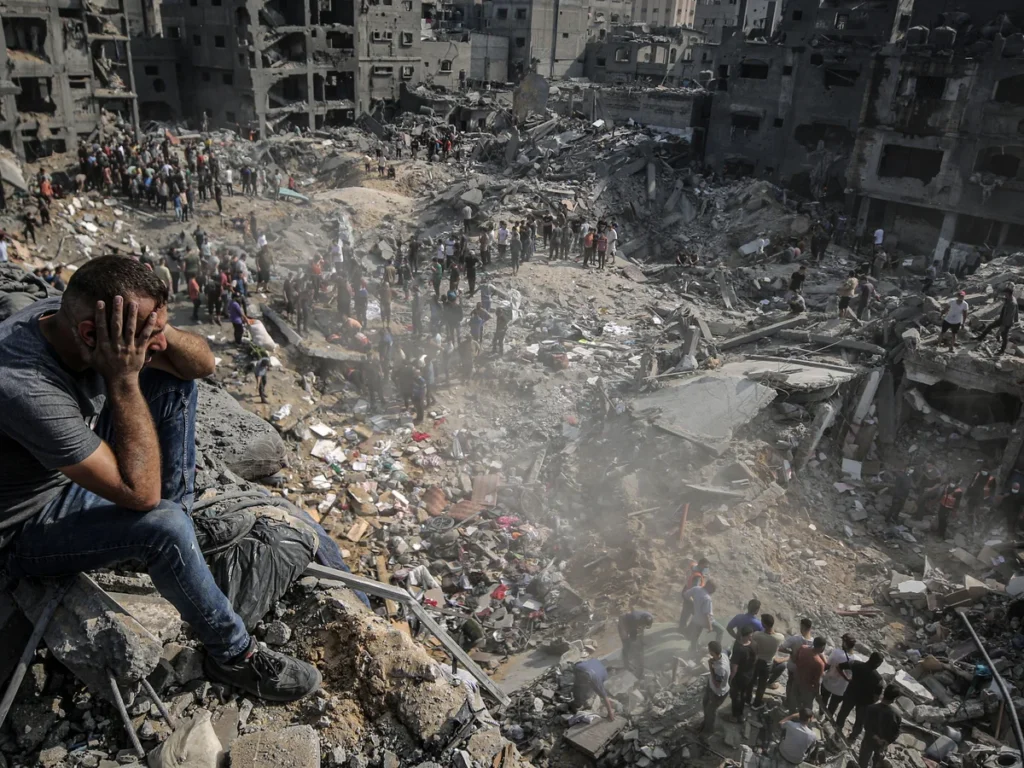
The trauma of war, relentless displacement, airstrikes, hunger, and lack of privacy, has taken a toll on maternal health. Many women, already weakened by dehydration and extreme stress, are struggling to produce breast milk.
According to the Integrated Food Security Phase Classification (IPC), over 17,000 pregnant or breastfeeding women and more than 70,000 children under five are currently facing acute malnutrition in Gaza. The IPC has confirmed that the “worst-case scenario of famine is currently playing out.”
Gaza’s Ministry of Health has reported 180 deaths related to malnutrition since the beginning of the war in October 2023, including 93 children, 25 of whom died in July alone.
Save the Children is calling on the Israeli government to urgently lift the siege and allow unrestricted humanitarian access, including infant formula and the supplies necessary for its safe use, in cases where breastfeeding is no longer an option.
“If the world does not act now,” the agency warned, “more children will die from this preventable, man-made crisis.”
Save the Children says it is ready to scale up its lifesaving operations, which include primary healthcare, nutrition programs, psychosocial support, and temporary learning spaces for displaced children, but only if aid is allowed to reach those in need.
As Gaza’s children face starvation and mothers beg for survival tools, the international community stands at a crossroads. The question is no longer whether famine will come; it is here. What remains is whether the world will respond in time to stop the next child from dying.