Gaza Herald – Fears are mounting within the Iranian leadership regarding potential social unrest amid worsening economic conditions and a deepening natural gas crisis. The anxiety stems from approaching winter, infrastructure damage sustained during recent hostilities with the United States and Israel, and persistent pressure from naval blockades and high inflation. According to Reuters, senior Iranian security and government officials expressed heightened concern over domestic stability, citing fuel shortages and declining public resilience to economic burdens.
Despite these internal pressures, Tehran shows no signs of offering concessions in its standoff with Washington. The Iranian government warned last week that next winter’s gas deficit will be more severe than previous years due to American strikes on processing facilities. Fatemeh Mohajerani, a government spokesperson, stated the expected shortfall reaches 430 million cubic meters, compared to 300 million cubic meters last year.
The National Iranian Gas Company attributed the crisis to damage at four early-stage processing plants during the initial phase of the war. While Iran holds vast natural gas reserves and remains a top global producer, it struggles to meet local demand due to aging infrastructure, international sanctions, and war-related destruction. Officials described current measures as short-term fixes while holding repeated meetings to manage supply issues.
Tehran is currently negotiating to import gas from Russia to alleviate domestic market pressures. These energy challenges coincide with broader economic fallout from the conflict that began on February 28. The war has exacerbated inflation, caused millions to lose jobs, and reduced economic activity due to port blockades and infrastructure damage. A senior official told Reuters that living conditions have deteriorated significantly, warning that accumulated pressures could ignite internal disturbances, describing the situation as a fire smoldering under ashes.
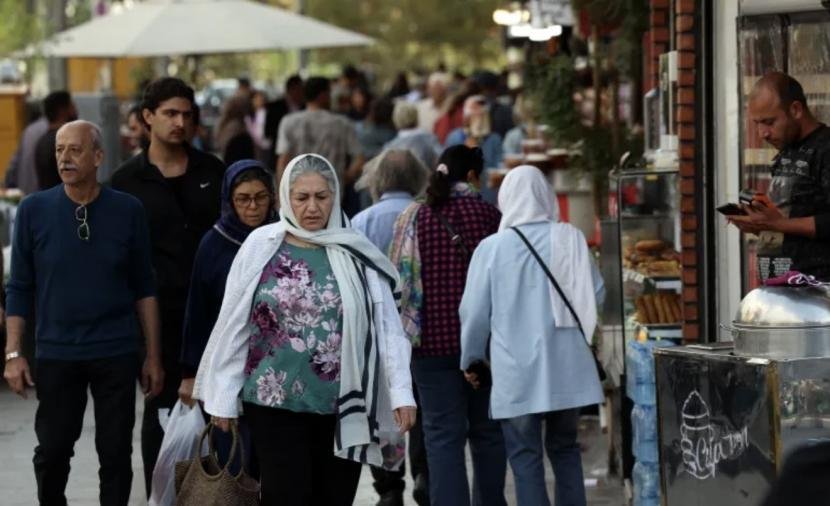
Saeed Lailaz, an Iranian analyst, characterized the blockade as the harshest since the 1979 revolution. He cautioned that the gas crisis might force the government to temporarily cut energy supplies to certain industrial sectors if conditions worsen. Consumer behavior has already shifted, with some Iranians seeking electric heaters despite their high costs. A heater seller in Tehran noted increased interest in electric models, though prices remain prohibitive for many families.
Citizens expressed fears that gas interruptions could disrupt work, compounding financial strain from inflation. While some households purchased electric heaters anticipating shortages, others view high living costs and inflation as more urgent burdens than potential energy disruptions. Authorities now face a dual challenge: securing energy for residents and industries during winter while containing growing socio-economic tensions amidst ongoing warfare and infrastructure damage, with no clear indication of the confrontation ending soon.
This report was produced in the Gaza Herald newsroom.