Gaza Herald — Gaza’s worsening cash shortage has pushed its economy deeper into crisis, leaving Palestinian families struggling to access and spend their money as Israeli restrictions on currency transfers, widespread banking infrastructure destruction, and soaring transaction fees disrupt everyday commerce.
The crisis has extended beyond a shortage of physical banknotes. With banks largely unable to operate normally, damaged currency increasingly rejected by merchants, and cash concentrated among a limited number of traders, many Palestinians face growing difficulties purchasing basic necessities despite having money in their accounts.
The disruption has also created opportunities for informal money changers to charge substantial commissions, further reducing the purchasing power of families already struggling with displacement, unemployment, and rising living costs.
Up to 500 Million Shekels Withdrawn From Circulation
Riyad al-Sawafiri, acting head of the Gaza Chamber of Commerce, estimated that between 400 million and 500 million Israeli shekels have been withdrawn from everyday circulation, severely restricting the availability of cash in local markets.
According to al-Sawafiri, the concentration of physical currency among major merchants and capital holders has created serious liquidity shortages for smaller businesses and ordinary consumers.
Under normal conditions, cash moves between households, retailers, wholesalers, and financial institutions, allowing commercial activity to continue.
In Gaza, however, the disruption of banking services and restrictions on currency movement have severely weakened that circulation.
Small businesses face difficulties obtaining the cash needed for transactions, while families struggle to withdraw their savings or exchange damaged banknotes for usable currency.
The shortage has also widened the gap between those who control physical cash and those who depend on bank balances, electronic transfers, or irregular income.
Israeli Restrictions Prevent Replacement of Damaged Banknotes
Mohammad Manasra, deputy governor of the Palestine Monetary Authority (PMA), said Israeli restrictions on currency shipments have prevented Palestinian banks from removing damaged and worn-out banknotes from Gaza and bringing in replacement currency.
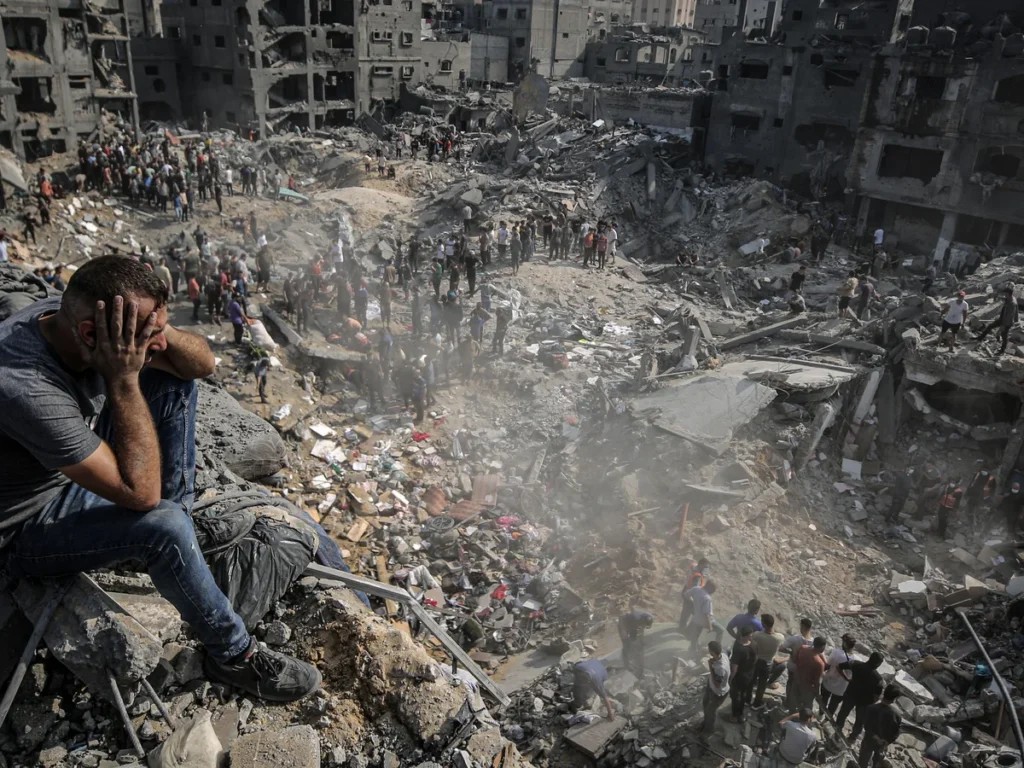
These restrictions have compounded the effects of damage to banking facilities and the disruption of financial services during Israel’s military offensive.
Businessman Nahed Shuheiber said restrictions on transferring surplus cash since the beginning of the war have contributed to the continued circulation of deteriorating banknotes.
As merchants increasingly refuse damaged currency, consumers face additional difficulties completing ordinary purchases.
Shuheiber also warned that major suppliers have gained greater influence over payment arrangements, with some requiring electronic transfers instead of physical cash.
The resulting imbalance has placed additional financial pressure on households and smaller traders with limited access to functioning banking services.
Informal Money Changers Charge Commissions of Up to 10%
The shortage of usable cash has contributed to the expansion of an informal exchange market in which some operators charge commissions ranging from 3% to 10% for cash withdrawals and conversions between physical currency and electronic balances.
For a Palestinian receiving 1,000 shekels, a 10% commission would mean losing 100 shekels simply to access the funds in a usable form.
Such fees place a particularly heavy burden on displaced families, public employees, and people who depend on limited or delayed income.
The Gaza Public Employees Union has warned that thousands of workers, including those living in displacement camps, face mounting financial pressure because of the commissions imposed on financial transactions.
With formal banking services severely disrupted, many residents have few practical alternatives to informal intermediaries.
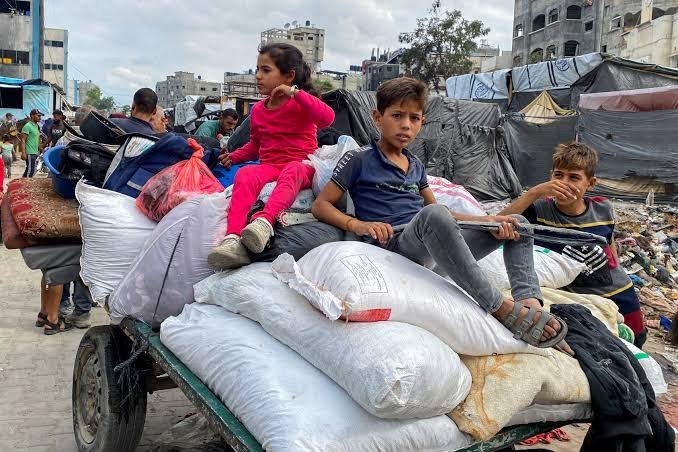
The situation has raised concerns about exploitation and the growing financial vulnerability of households already struggling to afford food, shelter, and other essential needs.
Digital Payments Offer Limited Relief Amid Infrastructure Damage
Electronic payment systems have emerged as one possible way to reduce dependence on physical currency, but their effectiveness remains constrained by Gaza’s damaged infrastructure.
Widespread destruction of electricity networks, telecommunications facilities, and internet infrastructure has made digital transactions difficult or unreliable for many residents.
Electronic payments also cannot fully resolve the shortage of physical cash, particularly when consumers need banknotes for everyday purchases or merchants cannot consistently access digital payment services.
Palestine Monetary Authority officials have acknowledged the limitations of relying on electronic transactions while essential infrastructure remains damaged and connectivity is unreliable.
Without dependable electricity, internet access, and functioning financial institutions, the transition toward digital payments risks excluding people who are already among the most economically vulnerable.
Calls to Restore Currency Transfers and Banking Services
The worsening liquidity crisis has highlighted the need to restore normal banking operations, facilitate the movement of currency, and ensure that damaged banknotes can be replaced.
Economic officials and business representatives have called for easing restrictions on currency transfers, rehabilitating banking infrastructure, and addressing excessive commissions charged by informal exchange operators.
They warn that the continued shortage of usable cash threatens commercial activity, weakens household purchasing power, and deepens the financial hardship facing Palestinians across the Gaza Strip.
As Gaza struggles with widespread destruction and a prolonged humanitarian crisis, restoring access to money and reliable payment services remains essential to supporting households, sustaining local businesses, and rebuilding economic activity.