DaysOfPal — Around 8,000 Palestinians remain missing in Gaza, most believed to be buried beneath the rubble of buildings destroyed by Israeli attacks, as rescue teams struggle to recover and identify the dead amid dangerous conditions and a severe shortage of equipment.
The International Committee of the Red Cross (ICRC) warned that the passage of time is making the identification of Palestinian remains increasingly difficult, leaving families without answers about the fate of their loved ones.
Speaking to CNN, ICRC spokesperson Pat Griffith described the immense challenges facing recovery teams across Gaza, where unexploded Israeli munitions, widespread destruction, and the collapse of medical infrastructure have severely hampered efforts to locate and identify the missing.
Unexploded Bombs Threaten Recovery Teams
Griffith stressed that international humanitarian law requires parties to armed conflict to search for the dead, recover remains, and preserve information that could help identify missing people.
However, unexploded ordnance buried among the debris poses a deadly threat to rescue workers.
In some areas, teams must remove rubble just a few centimeters at a time to avoid detonating explosives left behind by Israeli attacks.
The danger is compounded by a severe shortage of heavy machinery and Israeli restrictions on the entry of equipment needed to clear destroyed buildings.
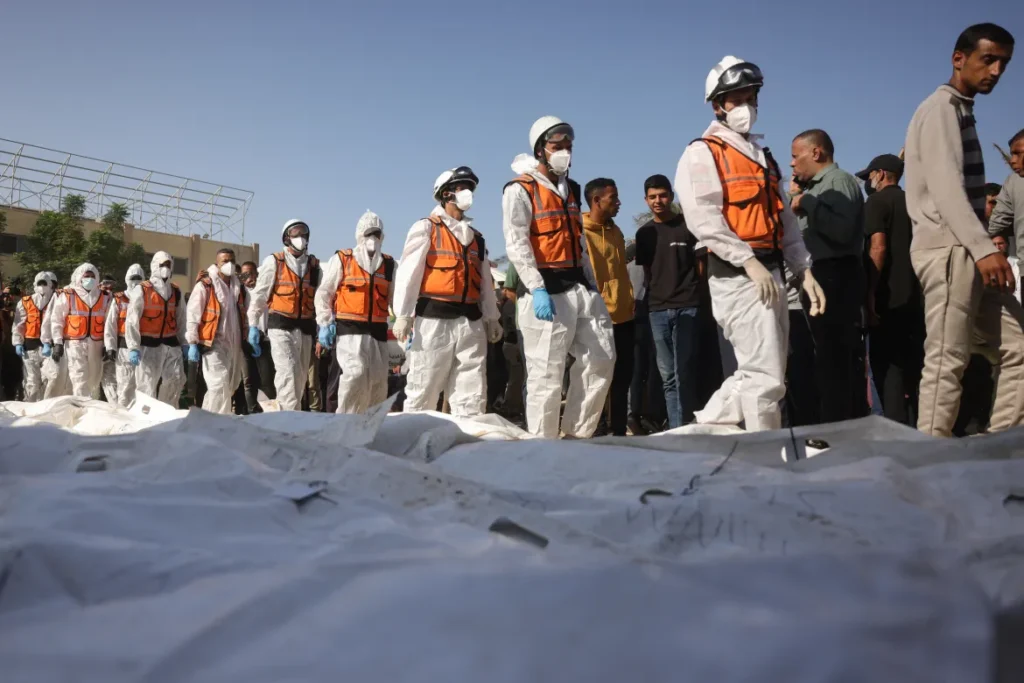
According to Gaza Civil Defense spokesperson Mahmoud Basal, rescue teams have recovered approximately 1,000 bodies since October 2025.
Thousands more Palestinians remain missing, while families continue waiting for news of relatives buried beneath collapsed homes.
Gaza Lacks DNA Facilities to Identify the Dead
The destruction of Gaza’s healthcare system has made identifying recovered bodies increasingly difficult.
Griffith said the lack of specialized forensic facilities has forced medical personnel to rely on limited methods that cannot reliably establish the identities of the dead.
Gaza has no functioning DNA analysis facilities, leaving doctors dependent on blood typing and other laboratory tests that may provide clues but cannot definitively identify remains.
CNN also spoke with forensic doctor Ahmad Dhaahir, reportedly one of only three forensic specialists remaining in Gaza.
Dhaahir described how shortages of refrigeration equipment and fuel, together with repeated power outages, accelerate the deterioration of biological samples taken from unidentified bodies.
In Deir al-Balah, Civil Defense teams have buried approximately 1,000 unidentified Palestinians in a designated cemetery.
Their graves are numbered in the hope that the remains can eventually be identified and returned to their families.
Families Wait to Recover Their Loved Ones
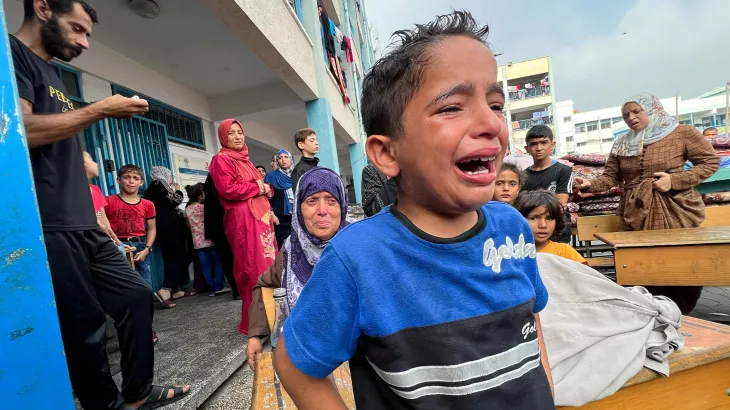
For Palestinians whose relatives remain missing, the lack of recovery equipment and forensic resources has prolonged the anguish of not knowing where their loved ones are buried.
CNN documented the testimony of Mohammed Yousef Shlael, whose family members were killed in an Israeli strike on his home in Jabalia in 2024.
Shlael described searching through the wreckage and collecting the remains of women and children killed in the attack.
His account reflects the devastating reality facing families forced to recover the bodies of their relatives without adequate rescue equipment or professional assistance.
UN Warns Against Destruction of War Crimes Evidence
UN High Commissioner for Human Rights Volker Türk warned that rubble-clearing operations in areas under Israeli control must respect the dignity of the dead and preserve evidence of possible war crimes.
He cautioned that removing debris without proper procedures could destroy remains and other evidence needed for future investigations.
Türk called for the preservation of evidence and access for international investigators throughout the Gaza Strip.
For thousands of Palestinian families, the recovery of remains is not only a matter of identifying those killed during Israel’s genocide in Gaza. It is also the chance to bury their loved ones with dignity and finally learn what happened to relatives who have been missing for months or years.