Gaza Herald – The Palestinian Ministry of Health has accused Israel of failing to uphold its commitments to facilitate the travel of patients and wounded individuals from Gaza through the Rafah crossing, warning that the restrictions have significantly worsened the health conditions of thousands of people in need of urgent medical treatment outside the territory.
In a statement issued on Saturday, the ministry said that only 840 patients have been allowed to leave Gaza for treatment since the ceasefire came into effect in October 2025. Officials said that the figure as far below the actual medical needs, given the growing number of patients requiring specialized care unavailable inside the Gaza Strip.
According to the ministry, the number of patients permitted to travel has dropped sharply in recent weeks. Previous arrangements reportedly allowed up to 150 patients per day, three days a week, to leave Gaza for treatment. That number has now fallen to approximately 90 patients and their companions, placing additional strain on an already overwhelmed healthcare system.
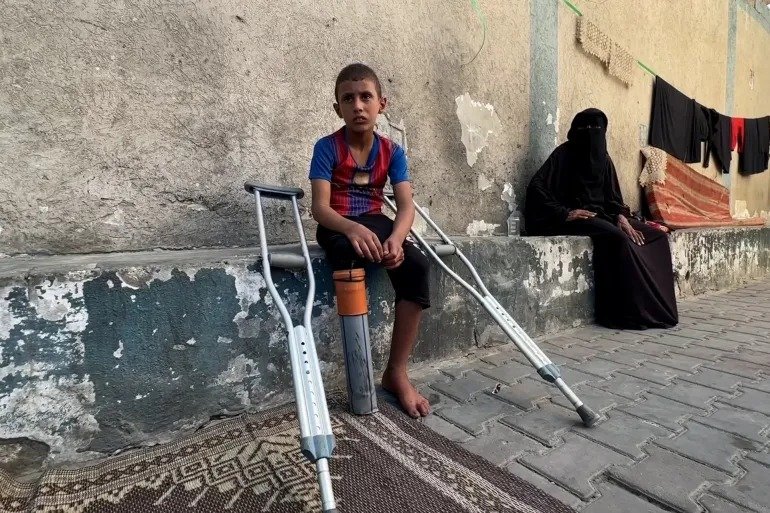
The ministry also revealed that 400 new medical referral cases have recently been added to the waiting list, bringing the total number of patients seeking treatment abroad to more than 20,000 cases. Many of these patients suffer from serious illnesses and require specialized procedures, medications, or surgeries that are not available within Gaza due to ongoing shortages and limited medical resources.
Health officials further warned that many patients experience delays exceeding two months while waiting for security clearances and travel approvals. Such delays can lead to severe deterioration in medical conditions, particularly for cancer patients, individuals with chronic diseases, and those requiring urgent surgical interventions.
The ministry added that repeated closures of the Rafah crossing continue to disrupt travel arrangements and prevent patients and wounded civilians from reaching hospitals abroad on time. It stressed that the medical referral process, conducted in coordination with the World Health Organization, follows a transparent electronic monitoring system designed to ensure fairness and accountability in managing patient files.